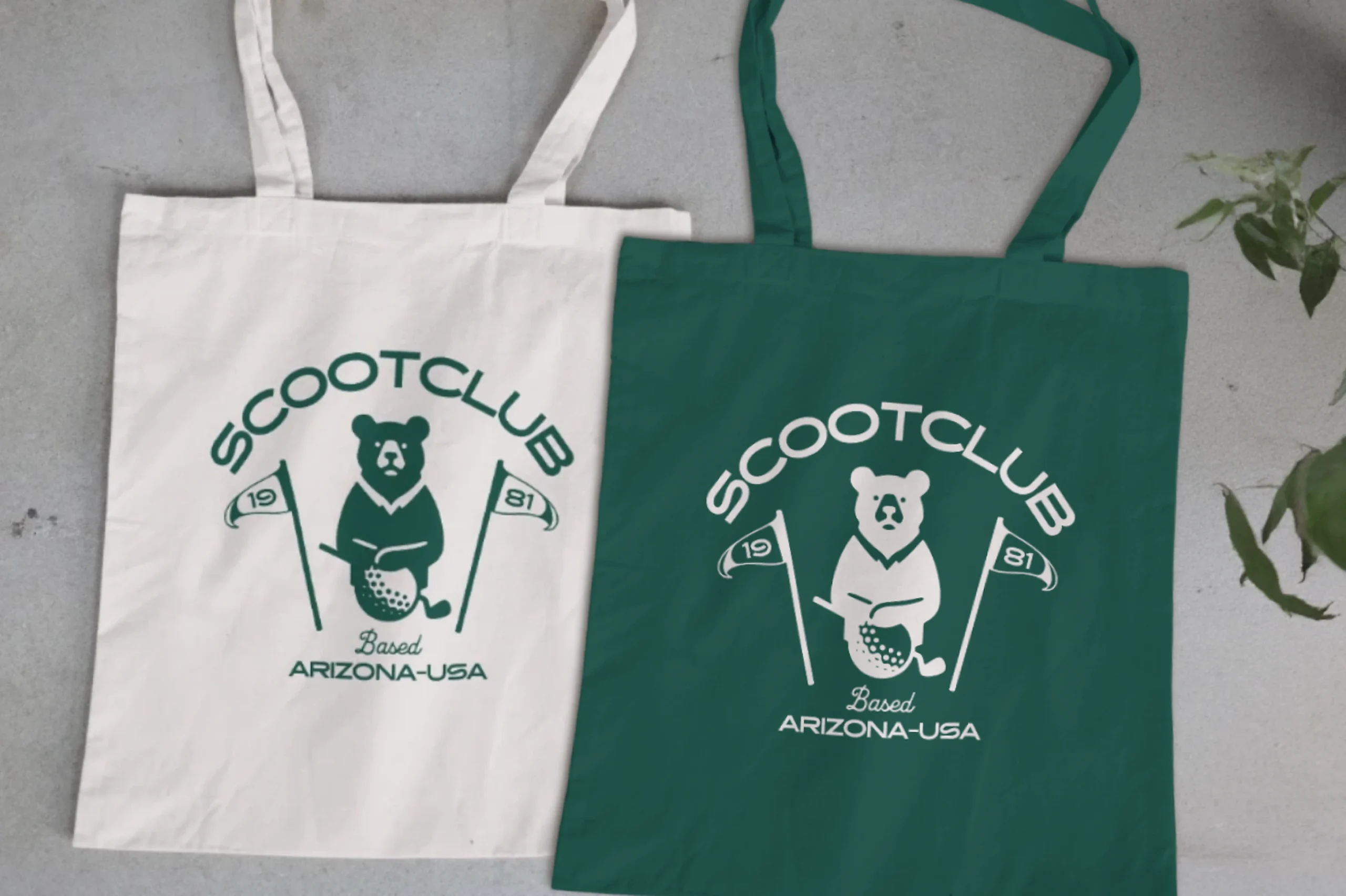
Every designer dreams of seeing their work in the wild. Maybe it’s your typeface on a hoodie. Maybe it’s your illustration on a mug in a stranger’s kitchen. Maybe it’s a sticker that quietly travels the world on a laptop you’ll never see.
That moment — when your art leaves the screen and becomes something people can touch — is what custom merch is about. It’s creative freedom with an audience. It’s design meeting real life.
And it’s not as complicated as it used to be. With tools like Kittl, making and selling merchandise no longer requires inventory, print partners, or luck. It just requires knowing what people connect with and how to design with that in mind.
This guide will walk you through that process. From understanding why merch matters to creating products that people actually want to buy.
What merch really is (and why it works)
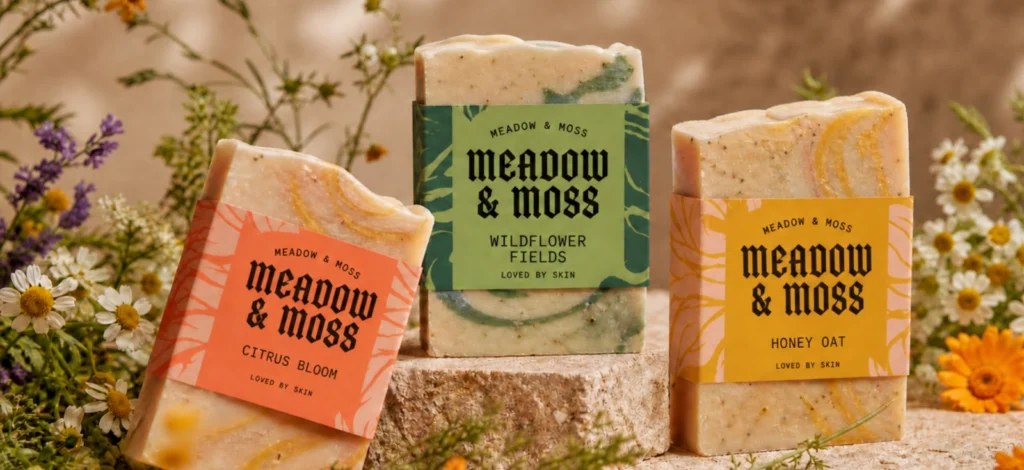
Merch is design in its most human form. It’s not just a product; it’s how people carry ideas. If you’ve ever wondered what is merchandise, it’s simply design that travels.
A shirt isn’t just cotton and ink. It’s a declaration. A tote bag isn’t just something to hold things; it’s a badge of taste, humor, or community. Good merch transforms your visual language into something people live with.
For designers, custom merch is one of the few ways your work exists beyond screens. It’s worn, shared, photographed, and rediscovered. It travels through people, not pixels.
And unlike client work, it’s entirely yours — concept, execution, and profit.
Pro Tip
Start small but honest. One design that means something to you will build more momentum than ten trend-chasing experiments.
Why people buy merch

People don’t buy merch because they need another shirt. They buy because it says something they can’t put into words.
It might be a quote that captures their sense of humor. A line drawing that feels like their favorite city. A logo from a creator they admire. The right design makes them feel seen.
That’s why custom merch works best when it carries emotion. Every bestselling drop, from indie illustrators to streetwear brands, has one thing in common: it makes people feel part of something bigger than the product itself.
Why merch can be a good revenue source for designers
Every designer hits a point where client work starts to repeat. Merch is the antidote — a creative experiment that can grow into income.
It’s low-risk, high-return, and infinitely scalable:
- No inventory headaches. Print-on-demand means you can sell branded merch with no inventory — you design, not ship.
- Evergreen revenue. A good design can live across five products and keep selling.
- Creative ROI. You’re building your brand every time someone wears your work.
But beyond business, custom merch gives you something client work rarely can: complete creative authorship. You own the story, the tone, and the way it connects with people.
And with Kittl, that process stays in one workspace (design, mockup, and export) so you spend your energy on creation, not logistics.
Merchandise ideas
Apparel
Apparel is the backbone of any custom merch line because it sits at the intersection of visibility and emotion. People wear their favorite messages over and over, which makes clothing both powerful creatively and reliable commercially.
If you’re exploring styles for your first custom merch drop, check out tutorials like how to design and sell funny T-shirts, college-style apparel designs, or even a grunge Y2K hoodie.
T-shirts are easy to design, inexpensive to test, and give instant feedback on what connects. Especially with ready-to-use t shirt design templates like this available on Kittl:

Rock in my blood style T-Shirt Template. Use Template

Dream free butterfly T-Shirt template. Use Template

Fearless skull style T-Shirt template. Use Template
T-shirts are easy to design, inexpensive to test, and give instant feedback on what connects. Especially with ready-to-use t shirt design templates like this available on Kittl:
Or find some inspiration from our other articles like Seahawks-inspired T-shirts, The Last of Us–inspired apparel, or Star Wars outfit ideas made with Kittl. Once you’ve found your rhythm, expand the collection. Sweatpants and hoodies work best for emotional or nostalgic designs. Hats are also small but personal, perfect for custom hats with a logo or phrase that feels handmade. You’ll find plenty of templates for those on Kittl too.
Pro Tip
Design with how people move in mind. Avoid placing critical details near heavy fold areas like the lower abdomen or armpit zone. Visual weight should stay closer to the chest or upper center, where it’s most visible and least distorted.
Tech packs
Once you start thinking in collections, tech packs help you scale. They’re blueprints that define every production detail, from placement to materials, so your work stays consistent as it grows.
They also double as branded presentation tools for manufacturers or collaborators, helping you communicate like a professional without leaving your creative workspace.
For advanced workflows, see how Kittl integrates with Print-on-Demand solutions to help you move smoothly from design to production.
Here’s a sample of a tech pack template we have on Kittl:

Tech pack Good Vibes. Use Template
Pro Tip
A good tech pack tells the story of your product at a glance. Include annotations and callouts that show your creative intent, not just specs. Treat it like a part of your visual identity even at the production stage.
Tote bags
Tote bags turn everyday function into visibility. They’re bold, reusable, and constantly in motion — the perfect surface for clear type, linework, or strong composition. A well-designed tote gives your art both purpose and exposure, acting as a moving advertisement for your brand.
You can test real proportions and textures with ready-to-use tote bag mockups and bag mockup templates on Kittl:

The Essentials. Use Template

Dream free butterfly T-Shirt template. Use Template

Fearless skull style T-Shirt template. Use Template
Once you’ve nailed the composition, try it on different mockups. Kittl’s mockup generator shows your design in real lighting and folds, so you can check if your contrast and scale hold up when the bag is in motion.

You can also explore our in-depth guide on why mockups matter in design to understand how realistic visuals can make your custom merch look polished before printing.
Pro Tip
Remember that tote bags often share space with the person carrying them. Keep focal points away from corners where creases form. High-contrast type or shapes placed near the upper third of the bag draw attention naturally when the bag hangs at hip height.
Stickers
Stickers are the fastest way to spread your art. They’re affordable, easy to ship, and endlessly shareable — great for testing new ideas or building recognition through repetition. Each one becomes a mini ambassador for your work.
In Kittl, you can design entire sets of custom stickers in one workspace, making it easy to keep themes and colors consistent.
Use elements from Kittl’s Content Library or generate unique art with the AI Image Generator to make your sticker series feel cohesive but distinct.
Or try starting with these sticker templates:


Pro Tip
Stickers work best as a series, not singles. Build a small collection around one theme or visual language. In Kittl, you can reuse elements and fonts across artboards to keep every sticker consistent without starting from scratch.
Books and albums
If you love storytelling through visuals, designing for books or music projects is a natural next step. A strong book cover or album layout lets you translate your design style into something tangible and lasting. You can start from pre-sized templates like these on Kittl — perfect for book cover design, album cover templates, or creative collaborations:

Eight Infinity Novel cover template. Use Template

Midnight murder book cover template. Use Template

Angel’s Heir vintage book cover template. Use Template


Pro Tip
Don’t rely only on the front. Extend your design thinking to the spine and back cover — they often carry more exposure on shelves or thumbnails. Create a visual rhythm that connects all sides through color or typography, not just imagery.
Mugs and tumblers
Mugs and tumblers are where design meets ritual. They’re part of daily life — morning coffee, late-night work, studio breaks — which makes them perfect for designs that become personal. When someone reaches for your mug every day, your art becomes part of their routine.
From a creative angle, mugs are all about balance and placement. Curved surfaces distort detail, so your design should feel intentional from every angle. A short quote, minimal symbol, or repeating pattern will always feel stronger than something too intricate.
If you’re ready to test your designs, start with these mug and tumbler templates on Kittl:


Pro Tip
Contrast behaves differently on glossy and matte finishes. Light text can disappear under reflections, especially on white ceramics. Use midtone or muted backgrounds behind text to preserve legibility on reflective surfaces.
Up next: Tags, packaging, and social posts

Your custom merch doesn’t end with the product — it ends with how you present it. Tags, packaging, and visuals are what make a drop feel complete. These small details are what turn your work from designs you sell into a brand people trust.
Tags are your first handshake with a customer. They tell your story, showcase your logo, or share a quick thank-you message. Packaging does the same on a bigger scale, reinforcing your visual identity before anyone even sees the product. Even if you ship from home, well-designed tags and boxes can make your brand feel established.
Start simple with templates for thank-you cards, hang tags, or product labels available on Kittl.
And when you’re ready to share, you can turn those same mockups into polished social posts. Kittl’s AI background generator can place your products in any setting you imagine — from a cozy studio to a bright storefront — helping you create content that feels authentic and ready for launch.
Pro Tip
Carry your visual language from product to packaging. If your T-shirt uses bold typography, let that same style appear subtly on your tag or thank-you card. Cohesion builds recognition faster than any logo ever could.
What makes good merch?
Good merch isn’t just about good design — it’s about proof. Proof that your idea holds up in context, that it resonates with real people, and that it feels finished. The best custom merch looks like it already belongs in someone’s life, even before it exists.
A strong merch piece does three things:
1. It communicates fast. People decide in seconds. If your message or graphic reads clearly at a glance, you’ve already won half the battle.
2. It feels consistent. Every product in your collection should look like it comes from the same world — color, tone, and typography aligned.
3. It earns attention naturally. The most effective merch doesn’t scream. It has confidence in simplicity and balance.
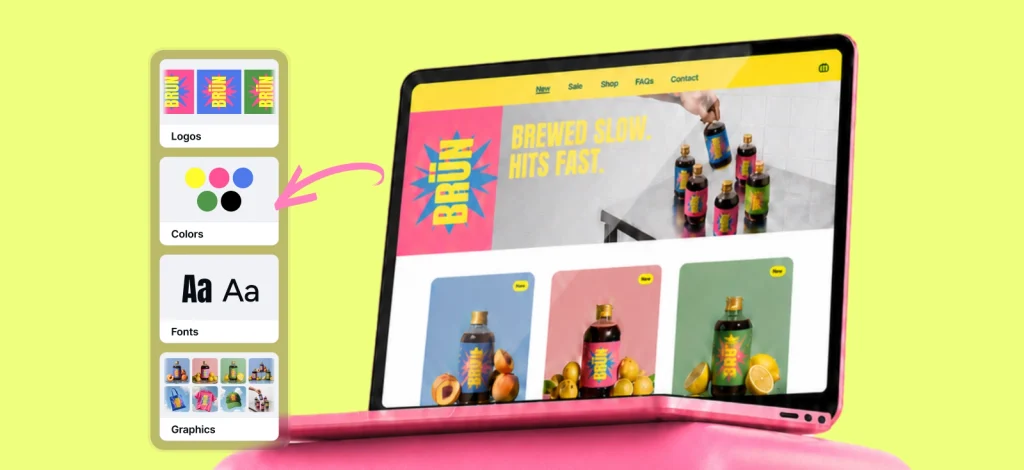
Kittl makes testing that instinct effortless. You can see your products together on Infinite Canvas, test mockups in different lighting, and catch weak links before printing. A tweak in scale or contrast can turn something “nice” into something people want.
Pro Tip
Don’t trust your screen alone. Test your design where your buyers will see it — on a mockup, a post, or a photo feed. In Kittl, you can do that in seconds, and those quick checks often separate designs that look good from ones that actually sell.
How to design merch?
Designing merch isn’t about guessing what will sell — it’s about shaping how your audience connects with your ideas. Each product should make people feel something specific, and every design decision should support that feeling.
Here’s how to approach it like a designer, not just a seller:
- Start with the message. Decide what you want to say before you decide where it goes. A short phrase, a bold symbol, or a visual mood can work across formats like t-shirts, totes, mugs, and more.
- Sketch or pick a base layout. You don’t have to start from scratch. In Kittl, explore templates that already match the tone you’re going for such as minimal, vintage, bold, or playful. They’ll give you a solid foundation for hierarchy and spacing.
- Focus on clarity and proportion. Keep your design readable at different sizes. Large type, simple color contrast, and clean spacing usually perform best. You can test this easily by zooming out or previewing your work on a mockup.
- Test on multiple products. Great custom merch designs are versatile. In Kittl, you can duplicate your layout and apply it to different mockups to see how it behaves across materials and shapes.
- Iterate side by side. Use Kittl’s infinite canvas to create variations. Try color changes, layout swaps, or alternate phrases in one view, then compare which feels strongest before exporting.
- Refine the details. Adjust alignment, letter spacing, and contrast. Little fixes add up to big differences once printed. Kittl’s real-time previews make those tweaks fast and visible.
Mock it up like it’s real. Your mockups are your marketing. Generate product photos right in Kittl so you can see how your design looks in the real world before spending on production.
Pro Tip
Ask: “Would I wear this? Would I post this? Would I gift this?” If the answer’s yes to at least two, you’re on the right track.
How to design one from Kittl

Once your idea’s ready, Kittl makes it seamless to bring to life. You can brainstorm, design, preview, and export all in one place without juggling files or guessing outcomes.
1. Open a template
Choose a product type like a t-shirt, tote, mug, hoodie, or sticker and open a matching Kittl template. Templates give you a tested layout to build from, so you can focus on your message, not alignment or sizing.
2. Customize your design
Replace the text with your own message or brand name. Play with fonts, color palettes, and hierarchy until it feels like you. If you’re starting from scratch, use Kittl’s text and element tools to structure your design quickly.
3. Add creative details
Use Kittl’s effects like textures, outlines, or shadows to give your design depth. You can also explore the AI image generator to create unique visuals that match your theme.
4. Preview it instantly
Click the mockup button to see your design on the real product. Kittl’s custom merch mockup provides realistic lighting and folds help you check scale, placement, and readability without leaving your workspace.
5. Tweak and perfect
Make small adjustments. Reposition your elements, change color contrast, or test new type pairings. Preview again until it looks balanced and print-ready.
6. Export for print and marketing
Download your file in high-resolution formats ready for production. You can also export mockups for your online store or social media posts directly from Kittl.
Pro Tip
Design your entire collection in one Kittl project. Seeing every product together — shirts, totes, stickers — helps maintain cohesion and saves you hours of adjustment later.
Key takeaways: Start your first drop
Merch is more than a product. It’s proof that your ideas can live beyond the workspace. It’s the moment design becomes part of someone else’s life.
A T-shirt can start a conversation. A sticker can travel the world. A tote can quietly carry your art into a stranger’s routine. That’s the beauty of custom merch: it keeps your creativity in motion.
And with Kittl, the process feels just as creative as the result. You can design, test, and visualize everything in one space — without switching tools, exporting files, or waiting for mockups to render.
Start with one idea. One message that feels personal. Build from there.
When you’re ready to go from concept to commerce, use Kittl’s Print-on-Demand solutions to sell your custom merch seamlessly.

Shafira is a content writer who turns boring business talk into reads people actually enjoy. She grew up hoarding $1 novels in Singapore and writing hilariously bad fiction, but now she tackles content marketing with all that creative chaos since 2019. From blogs and newsletters to UX and SEO, she writes how she thinks: nerdy, honest, and a bit offbeat. She believes the best content is human-designed, not just plain text.