The Last of Us Season 2 is coming. And if you’re anything like me, the trailer didn’t just leave you excited.it left you restless — in the best way.
I’ve been replaying it, pausing, rewinding staring at Ellies face, trying to read every tiny flicker of emotion. Is that Jesse? Are we seeing Abby’s POV there? Wait, is that the guitar? My brains spinning with questions, and I love it.
And right alongside all the theories? My designer brain’s having a field day.
The textures. The way light falls through broken windows. The rough, imperfect type scratched onto concrete. That tension between beauty and decay…it’s everywhere. You can feel the weight of every frame.
And that’s the magic of it, right? The best stories don’t just make you feel something — they make you want to make something.
I know you feel it too. The urge to design the last of us 2 merch that isn’t loud or obvious, but quiet and clever. Something worn-in. Something that looks like it could’ve been found in Joel’s backpack.
We’re not here for mass-produced stuff. We’re here to create the kind of work that feels honest. Textured. A little imperfect. Thoughtful enough to spark a conversation with someone who’s been overthinking the trailer just as much as we have.
And with the last of us season 2 release date creeping closer, this is the moment to turn all that fangirl chaos into something real.
Let’s get into it.
What we know so far: Why season 1 wrecked us
First of all: SPOILERS for The Last of Us Season 1!
Before we dive into The Last of Us Season 2 designs, let’s quickly remember what happened in Season 1:
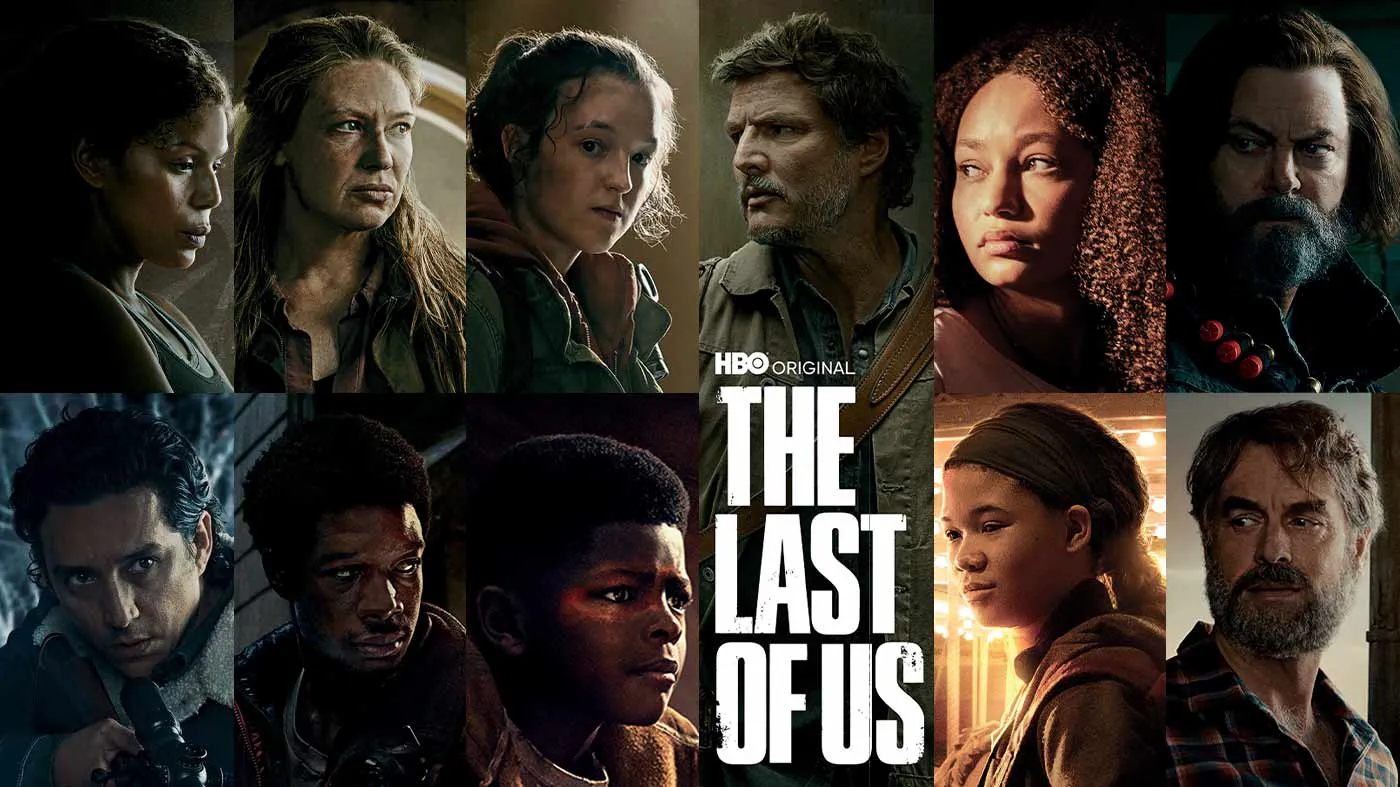
1968
The show opens with a talk show interview where a scientist warns about a fungus pandemic that could take over human bodies if the Earth gets warmer. We all know what happens next.
2003
We meet Sarah, Joel’s daughter, on the day everything changes. She gets his watch fixed for his birthday, goes home, and by nightfall, chaos breaks out. The infection spreads fast. Joel, Sarah, and Tommy try to flee, but a soldier shoots. Sarah dies in Joel’s arms — the moment that defines everything after.
2023
Twenty years later, Joel is living in the Boston Quarantine Zone, bitter and detached. He and Tess agree to smuggle Ellie out of the city — she’s immune, and the Fireflies think she’s the key to finding a cure.
Their journey unfolds with loss after loss:
- Tess sacrifices herself
- Bill and Frank’s story gives us one of TV’s most beautiful hours (we all cried)
- Henry and Sam’s friendship with Joel and Ellie ends in tragedy
- Winter brings violence as Ellie fights to save an injured Joel
- They finally reach the Fireflies, only for Joel to discover they plan to sacrifice Ellie to create a vaccine
Joel makes his choice: Ellie’s life over humanity’s future. He guns down everyone standing in his way and lies to her about it.
The season ends with Ellie asking: Swear to me. And Joel does.
We all know he’s lying.
What we know about The Last of Us Season 2 (and why we’re not ready)
HBO confirmed: Season 2 will follow The Last of Us Part II. Which means… pain.
Here’s what’s officially announced about The Last of Us Season 2 release date and details:
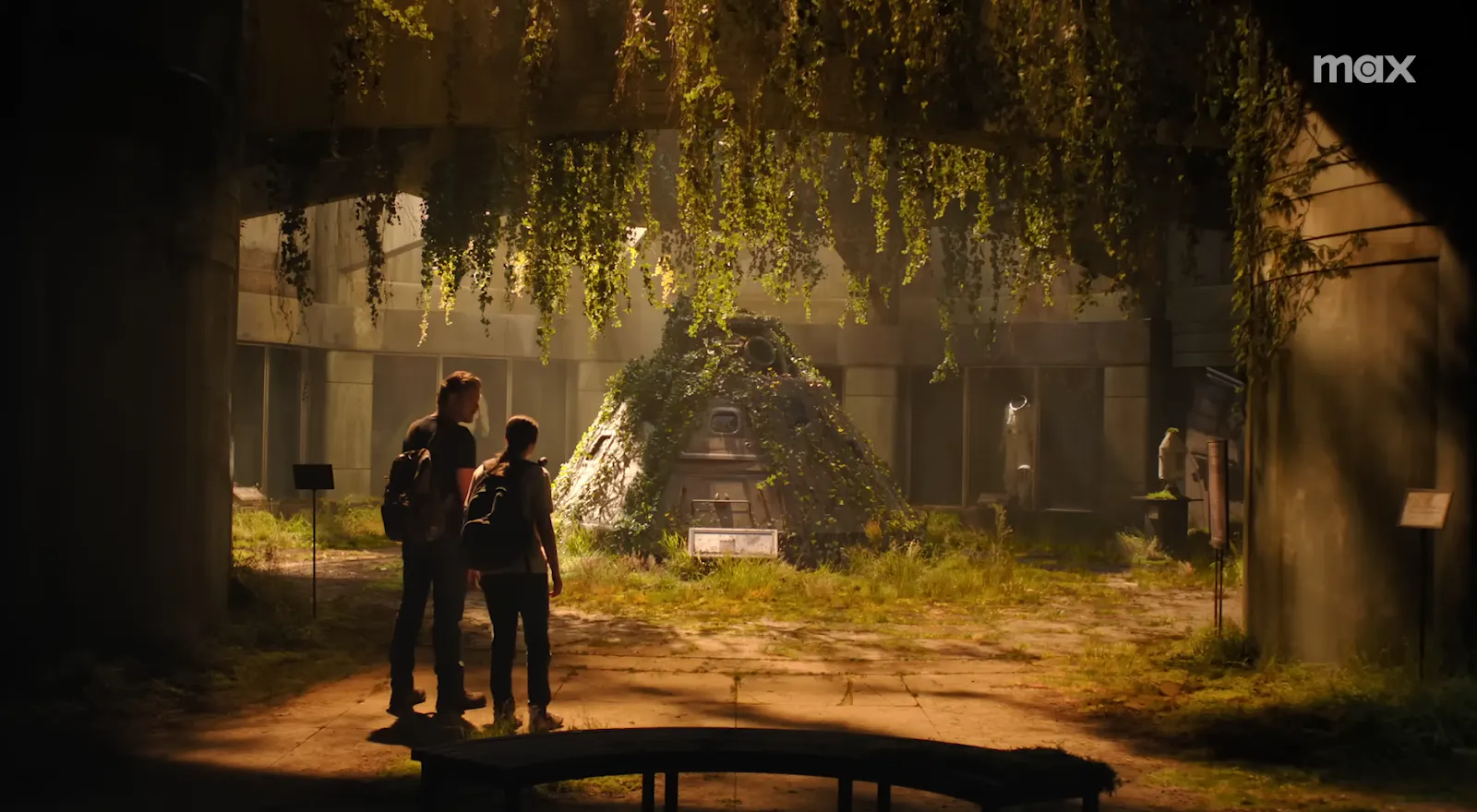
- Premier date: The Last of Us Season 2 premieres on April 13, 2025, at 9 p.m. ET/PT on HBO and Max. Seven episodes.
- Timeline: The story picks up five years after Season 1. Joel and Ellie are older, more complicated, and (according to HBO) drawn into conflict with each other and a world even more dangerous and unpredictable.
- The Last of Us Season 2 cast: Abby is officially in. Kaitlyn Dever is playing her. Weve also got Dina (Isabela Merced) and Jesse (Young Mazino) joining the story too.
- Weve already seen posters teasing Joel, Ellie, and Abby and that line: “Every Path Has a Price.” You know whats coming.
- The teaser trailer gave us glimpses of Seattles flooded streets, crumbling buildings, and Firefly tags everywhere. And Abby saying: There are just some things everyone agrees are just wrong. Oof.
Watch the trailer here:
And yes, Craig Mazin and Neil Druckmann confirmed: While The Last of Us Season 2 will follow the game’s story, expect surprises, timeline shifts, and new perspectives. They’ve assembled an incredible director lineup, including Mark Mylod (Succession), Kate Herron (Loki), and Peter Hoar (returning from “Long, Long Time”).
Best of all? This isn’t ending soon. Mazin has hinted The Last of Us Season 2 is just one part of a multi-season plan. So the question of when is The Last of Us Season 2 coming out is just the beginning of a longer journey.
Design inspiration: Translating TLOU into visuals
Now that we’ve re-lived the chaos and heartbreak, let’s talk about The Last of Us design inspiration. Here are specific design cues, quotes, and symbols that will speak to fellow fans:
Subtle symbols for The Last of Us merch
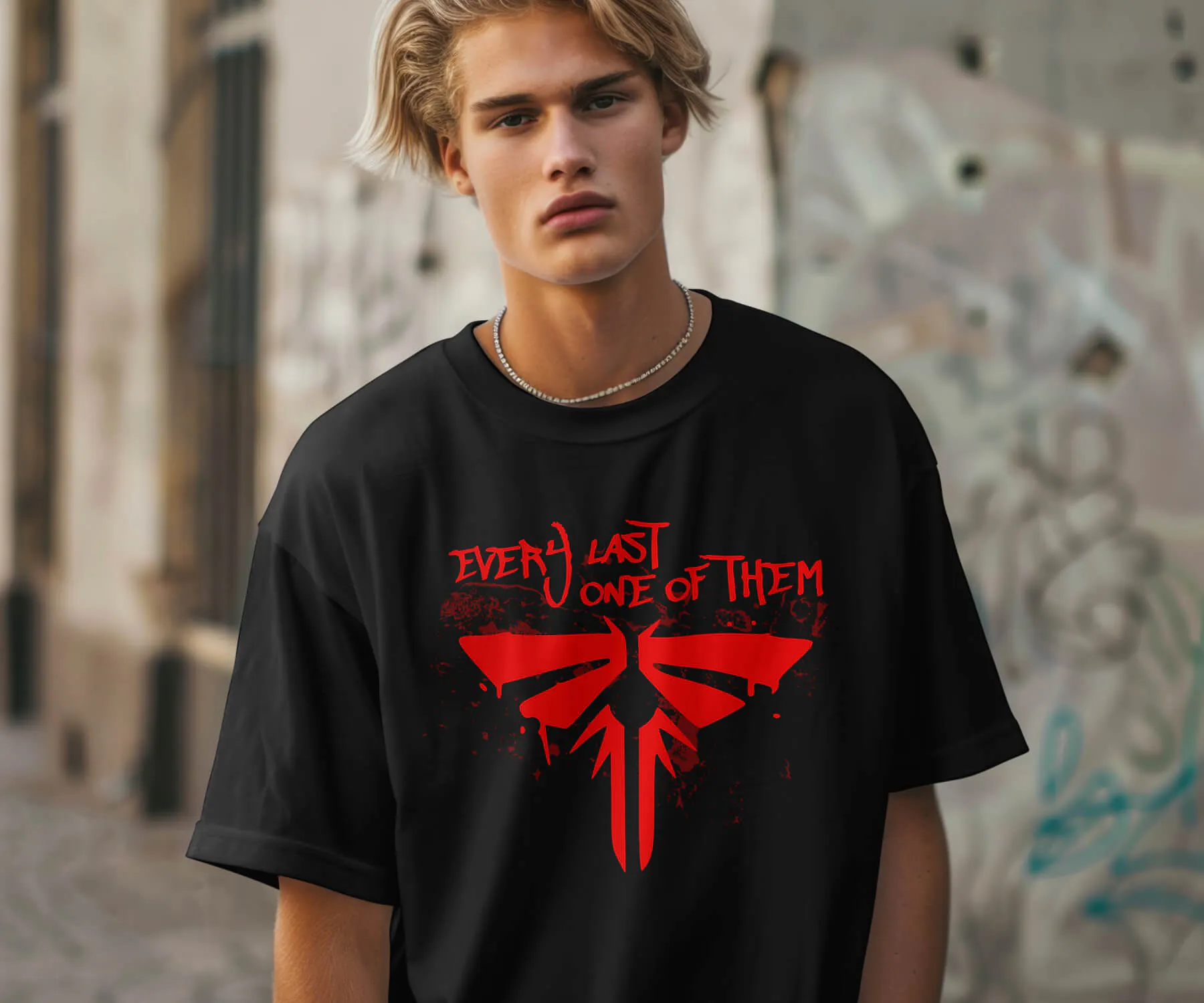
- The Firefly logo. But make it feel like its been spray-painted in a hurry. Add texture, drips, and scratches.
- Guitar silhouettes. Not a full graphic, but a simple sketch of the neck or tuning pegs, as if drawn in a survivors journal.
- Seattle skyline partially reclaimed by nature. Incorporate outlines of the skyline being swallowed by foliage, the TLOU signature. Use transparency layers for depth.
- Ellies switchblade. Minimal line art perfect for cuff details or subtle corner elements.
- Stenciled warnings (like those seen in quarantine zones) that are made into minimalist border graphics.
- Faded FEDRA ID tags. Reworked into faded labels or background patterns. Great for mock vintage tee labels or inside-collar designs.
Numbers and codes, like coordinates or Firefly radio frequencies hidden in the design.
Kittl’s AI Image Generator can help you generate the assets you need in various design styles.
TLOU quotes that hit to add into your design:
To truly capture The Last of Us character design and world aesthetic, here are the fundamental principles:
- “When you’re lost in the darkness, look for the light.” Perfect for back prints or sleeve details.
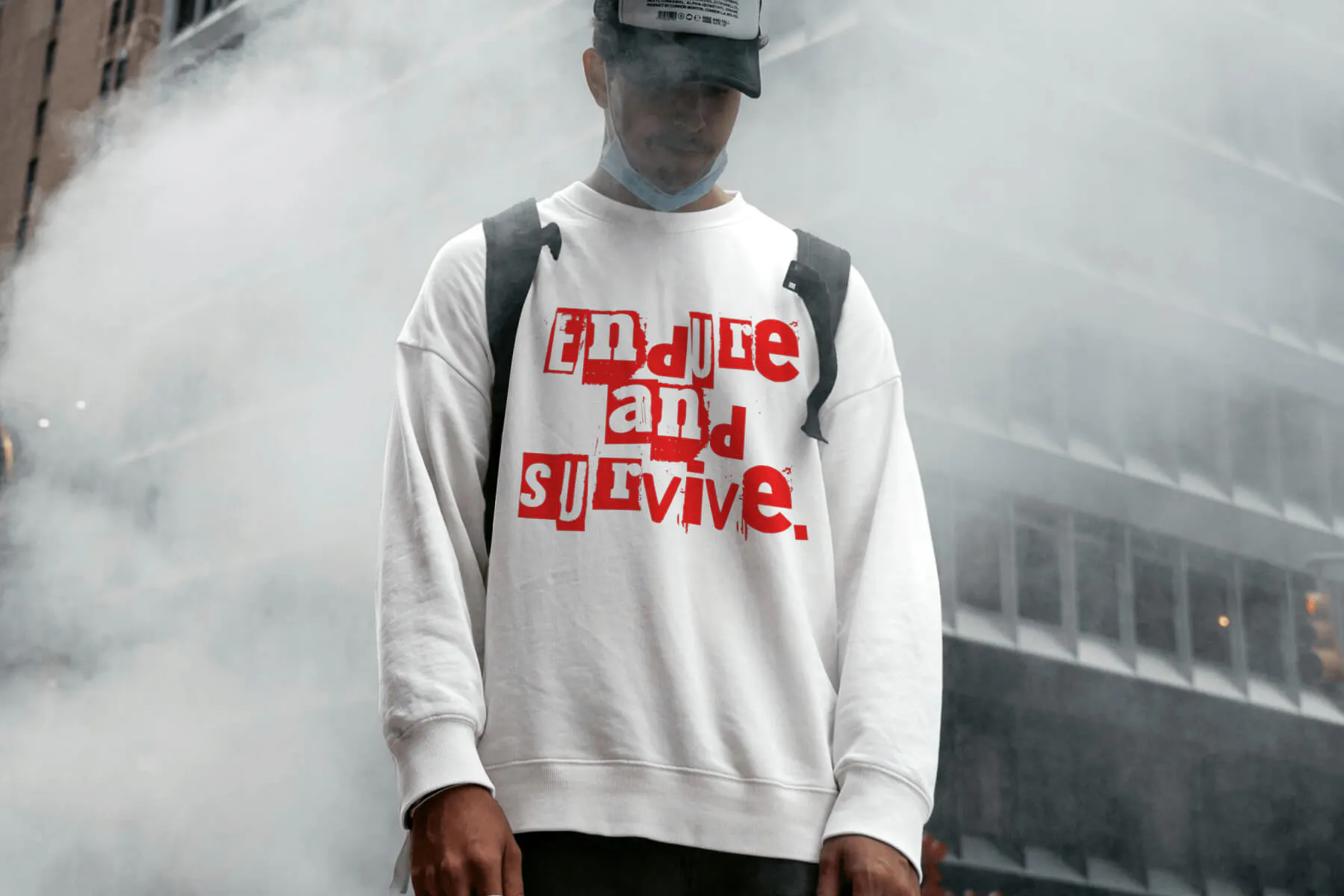
- “Endure and survive.” Simple but emotional. Works well on caps or inside labels.
- “It can’t all be for nothing.” Subtle text placement under graphics.
- “Swear to me.” Just two words, but every fan will feel it.
- Abby’s teaser: There are just some things everyone agrees are just wrong. Excellent for typographic posters.
- Coordinates of Salt Lake City or Seattle hidden in the design.
TLOU design language: How to think like a Naughty Dog artist
To truly capture The Last of Us character design and world aesthetic, here are the fundamental principles:
Authentically weathered
The Last of Us zombie design (infected, technically) and environment art share something crucial: nothing is pristinely preserved. Everything shows wear, exposure, and history. Your designs should feel like they’ve survived the same world.
Kittl’s texture effects let you dial up or down the distress level in real time, perfect for finding that sweet spot between subtle and destroyed.
Brutal simplicity.
The Last of Us art direction thrives on restraint. Joel doesn’t waste words; Ellie says everything with a look. Bring that same economy to your designs:
- Embrace negative space. What’s not there is as important as what is
- Use minimal compositions with strong focal points
- Choose typography that hits too close to home
- Let tension build naturally through simplicity
Organic vs. structure.
The core visual contrast in The Last of Us design is human structure being reclaimed by nature. Bring this tension into your work. Juxtapose clean, architectural lines with organic, unpredictable growth. Or maybe textures that suggest moss, roots, or decay overtaking manufactured surfaces
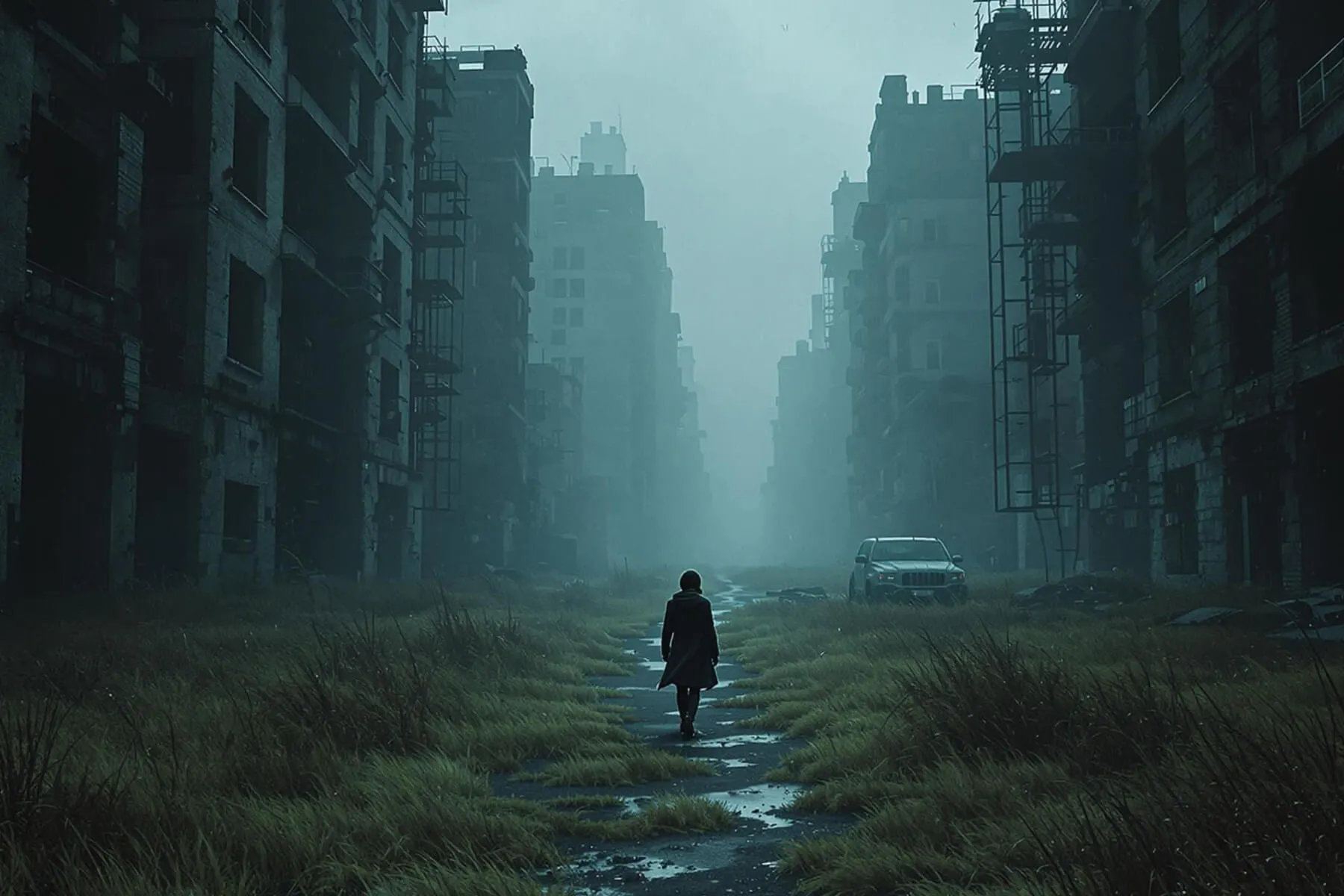
Can’t find the right visual for crumbling walls or overgrown concrete? Use Kittl’s AI Image Generator to create custom gritty overlays and organic elements on the spot.
The Firefly aesthetic.
Not clean logos but rough and imperfect stencils. Things that look like they were spray-painted in the dark. Use this for sleeve graphics, cap patches, or back prints that feel like secret signals.
Colors that hit hard.
Dusty greens, stone greys, muted rust, faded beige. And then? One unexpected pop of blood red or burnt orange. Just like the show, it feels deliberate and heavy.
Try these color palettes:
- Muted moss green: #6B7A52
- Cold concrete grey: #4C4F52
- Faded rust: #A05A4A
- Dusty beige: #C3B7A6
- Deep blood red (accent): #8B2E2E
- Burnt orange (alternate accent): #C8643C
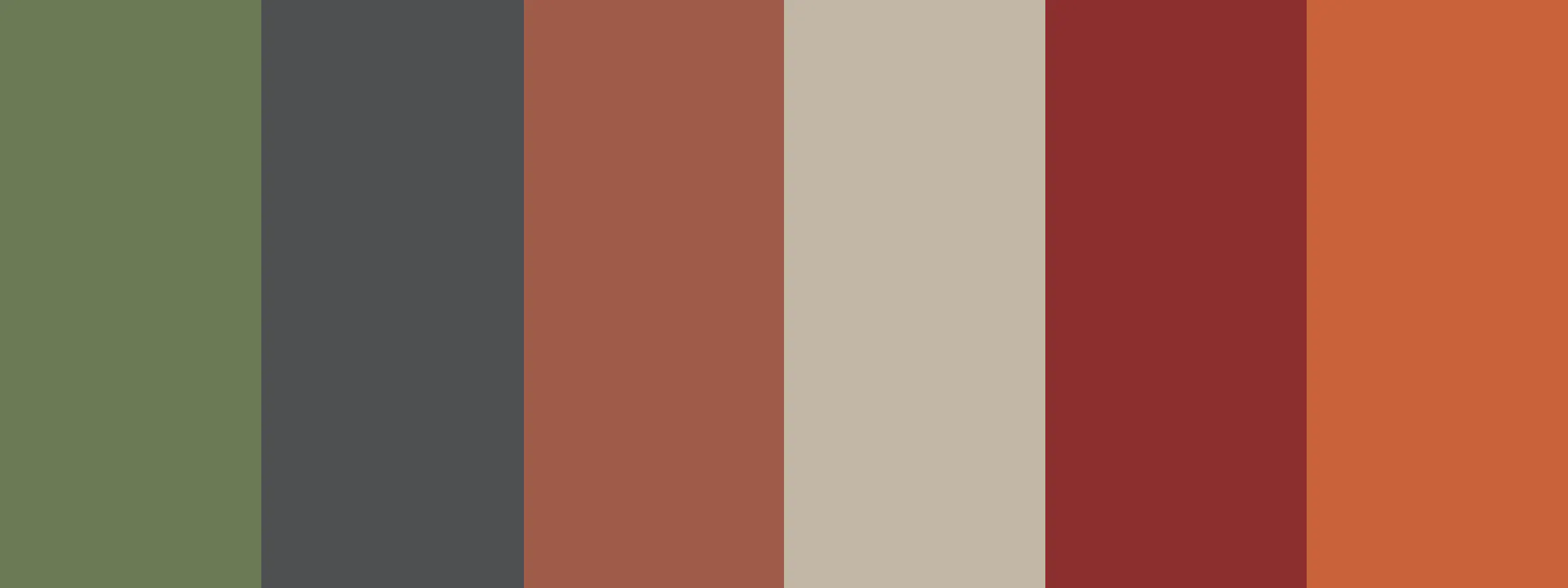
Kittl’s color palette tool makes it easy to save, reuse, and stay consistent across designs. No confusing clicks here and there, just handpick those moody rust reds and faded greens and reuse them throughout your designs.
Typography that feels found.
Think warning signs half-torn off walls, scribbled notes Ellie finds in drawers, uneven stencils. The less polished, the better.
Kittl’s typography tools are next-level you can warp, distort, and decorate text without flattening it. That means every piece stays editable if you change your mind later
The little things only fans notice.
Coordinates of Salt Lake City printed tiny under a logo. A subtle guitar string pattern on the inside collar. A line from the show stitched inside a sleeve. That’s the stuff that makes another fan look twice.
Step-by-step guide to designing TLOU-inspired merch that hits different
Step 1: Start messy
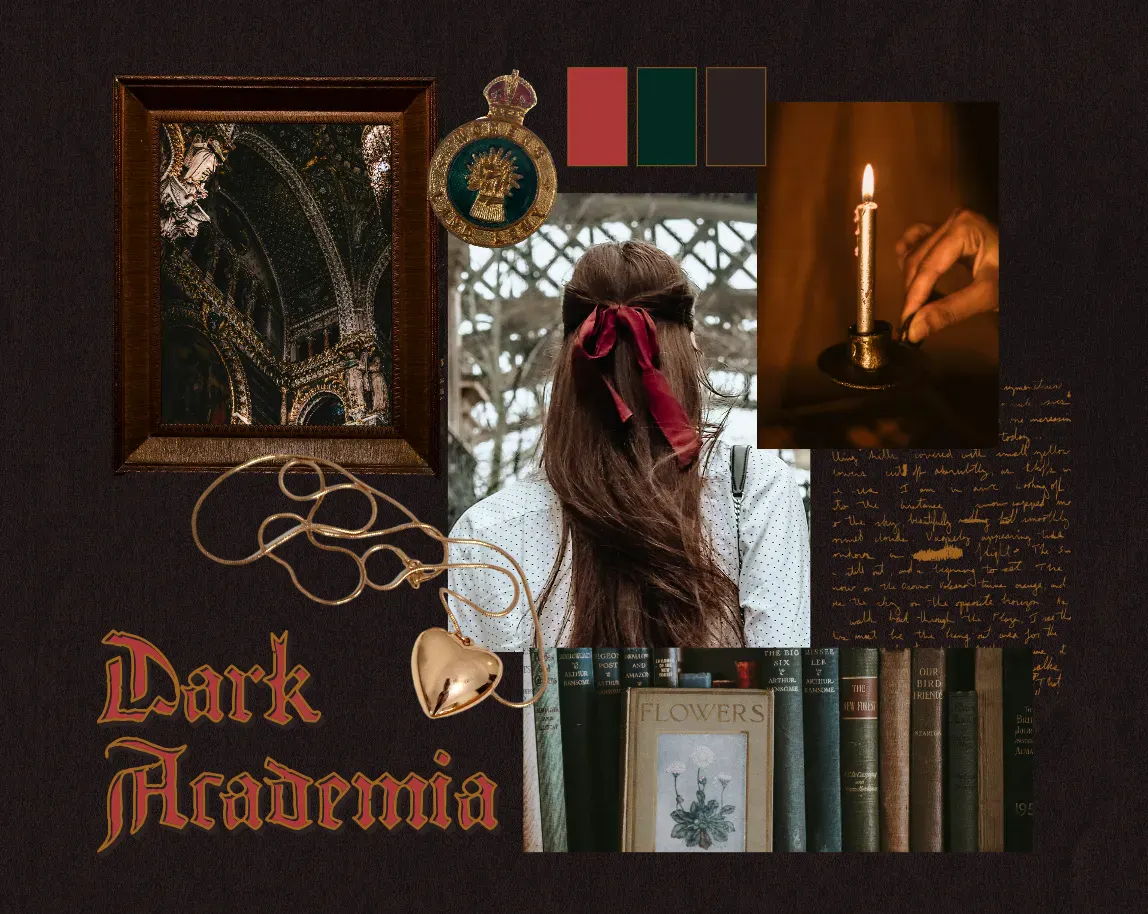
Start with overthinking everything (like we all do). Pause the trailer, screenshot the weird little background details, jot down the quotes that made you stare at the screen for too long. Dump it all into Kittl’s infinite canvas — mood boarding chaos is the best kind of chaos.
Step 2: Pick your vibe
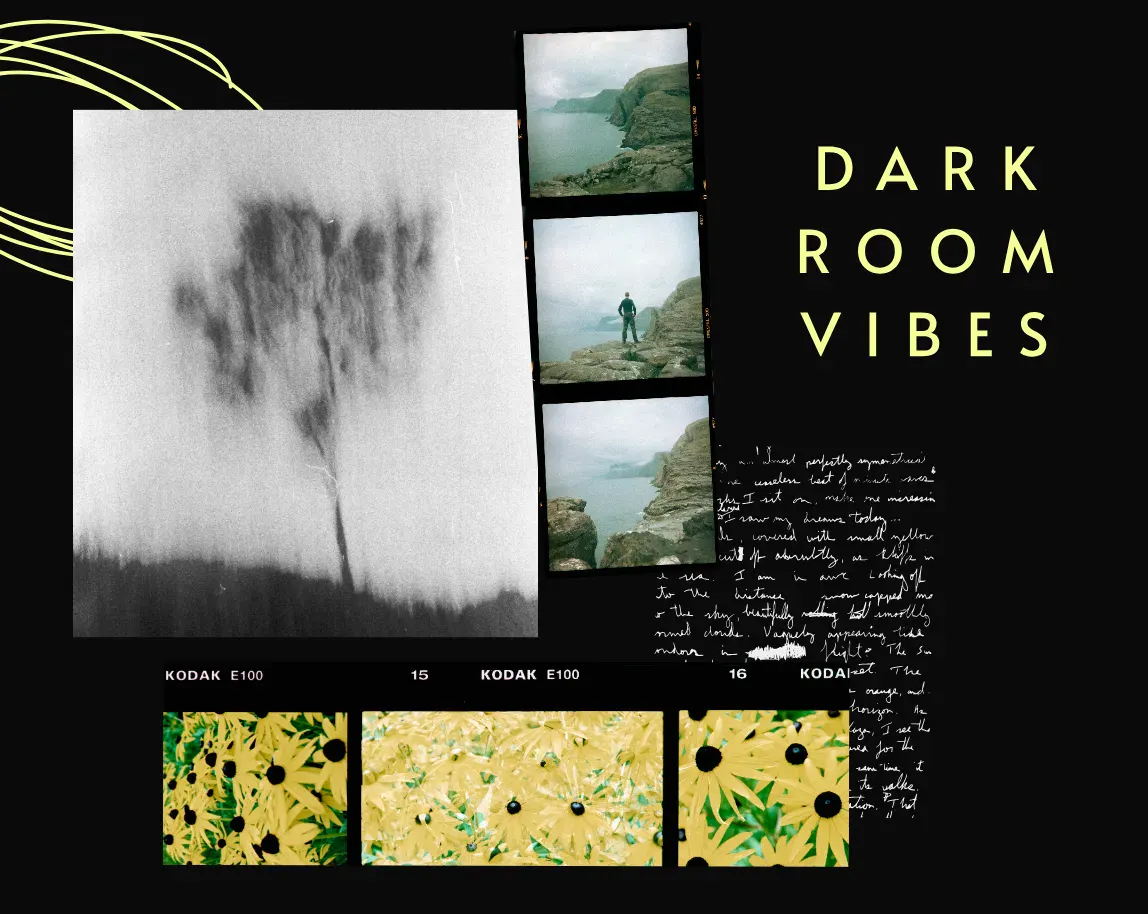
Gritty and worn? Clean but tense? Cozy apocalypse energy? Decide early. Your design could live on a shirt, a cap, or a tote bag — but what feeling do you want people to wear?
Step 3: Play with fonts
This is where it gets addictive (and honestly, where you can show off). Go for stencil fonts when you want that underground, rebel feel. Use rough, hand-drawn type for those raw, emotional moments.
And here’s the best part: with over 1,400 fonts in Kittl (including classics like Helvetica and Futura, plus exclusive custom fonts you won’t find anywhere else), you’ve got everything you need to nail the mood.
Step 4: Add textures, then mess them up more
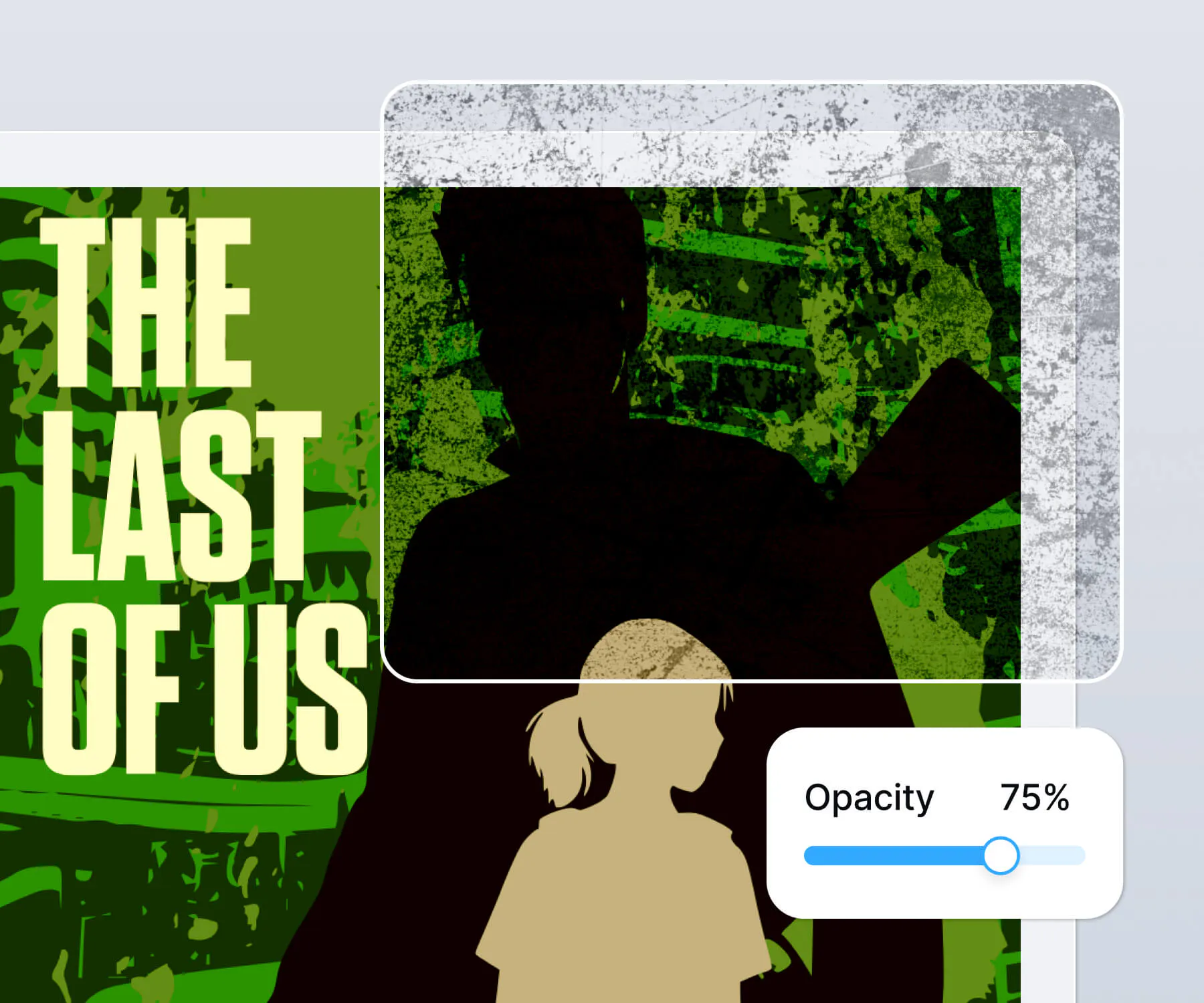
Nothing in The Last of Us world is clean or simple. Everything has layers of history visible on its surface.
Start with a base texture like concrete, paper, or fabric. Then add water damage, dirt stains, sun bleaching. Layer in human interaction like scratches or tears. Finish with nature’s slow reclamation with moss creeping in, mold spreading, roots breaking through.
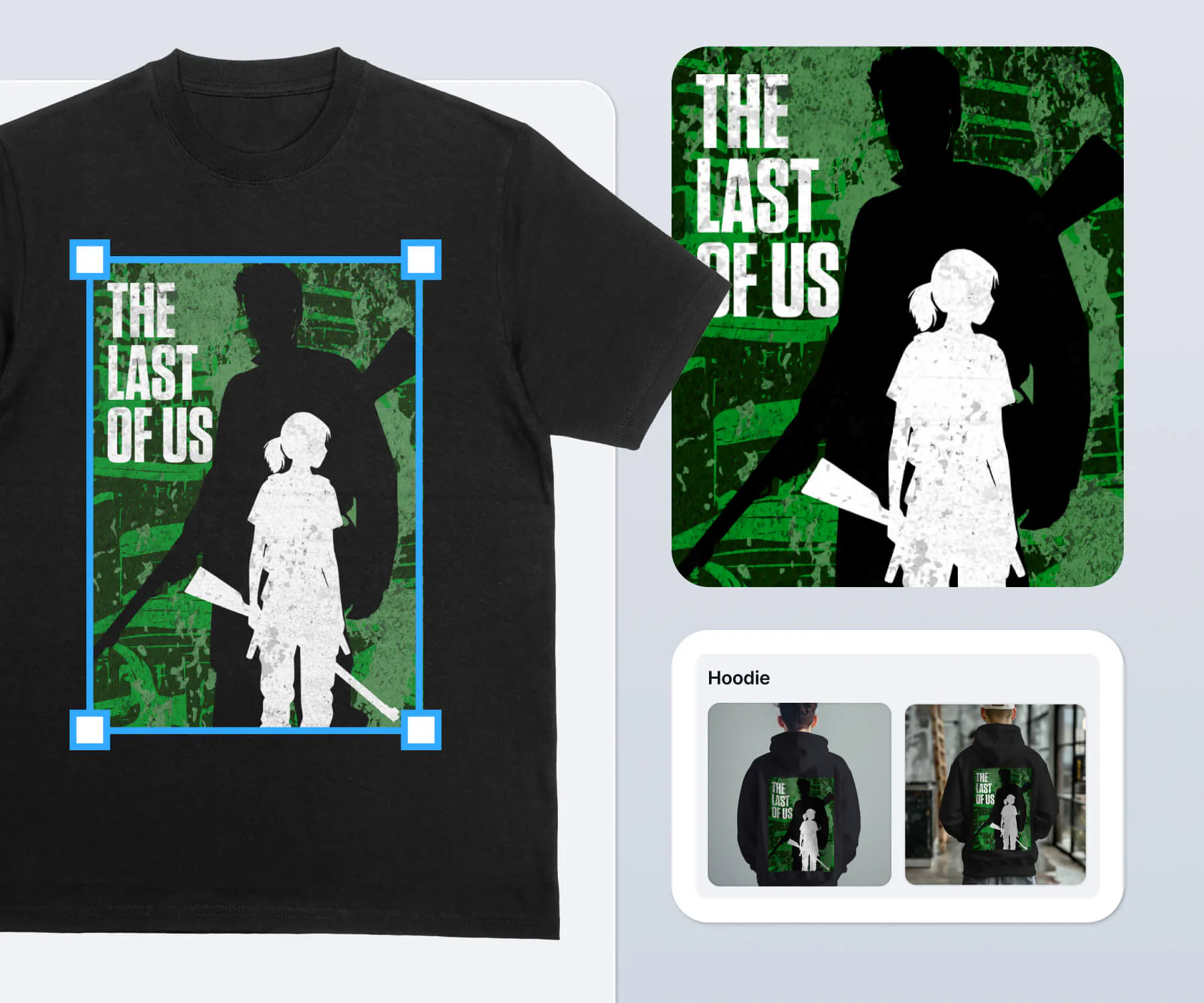
Step 5: Test placements and review on mockups
Sometimes, the most powerful The Last of Us shirt designs reveal themselves gradually. Try small details on sleeves or hidden inside collars. Consider asymmetrical placements that feel organic rather than perfectly centered.
Test your designs on different mockups and see how they look on tees, hoodies, and totes. Explore unexpected surfaces like hat brims or pocket edges.
Step 6: Save versions (and make collections)
Your designs can tell connected stories. Create companion pieces that work together or separately. Develop variations with different levels of subtlety. Build graphics that reference each other through shared elements, creating a visual language only true fans will fully decode.
Organize your assets in folders to easily build cohesive collections that feel like they belong in the same world. Or even save it as your Brand Kit.
We’re not just watching this world — we’re part of it.
We’ve carried Joel’s guilt. We’ve felt Ellie’s anger. We’ve sat in silence after that ending, wondering what comes next.
And now, with TLOU Season 2 nearly here, we get to do what designers do best: take all that chaos and turn it into something you can hold, wear, and share with people who feel it too.
So take all that energy — the tension, the curiosity, the chaos — and turn it into something real.

Shafira is a content writer who turns boring business talk into reads people actually enjoy. She grew up hoarding $1 novels in Singapore and writing hilariously bad fiction, but now she tackles content marketing with all that creative chaos since 2019. From blogs and newsletters to UX and SEO, she writes how she thinks: nerdy, honest, and a bit offbeat. She believes the best content is human-designed, not just plain text.