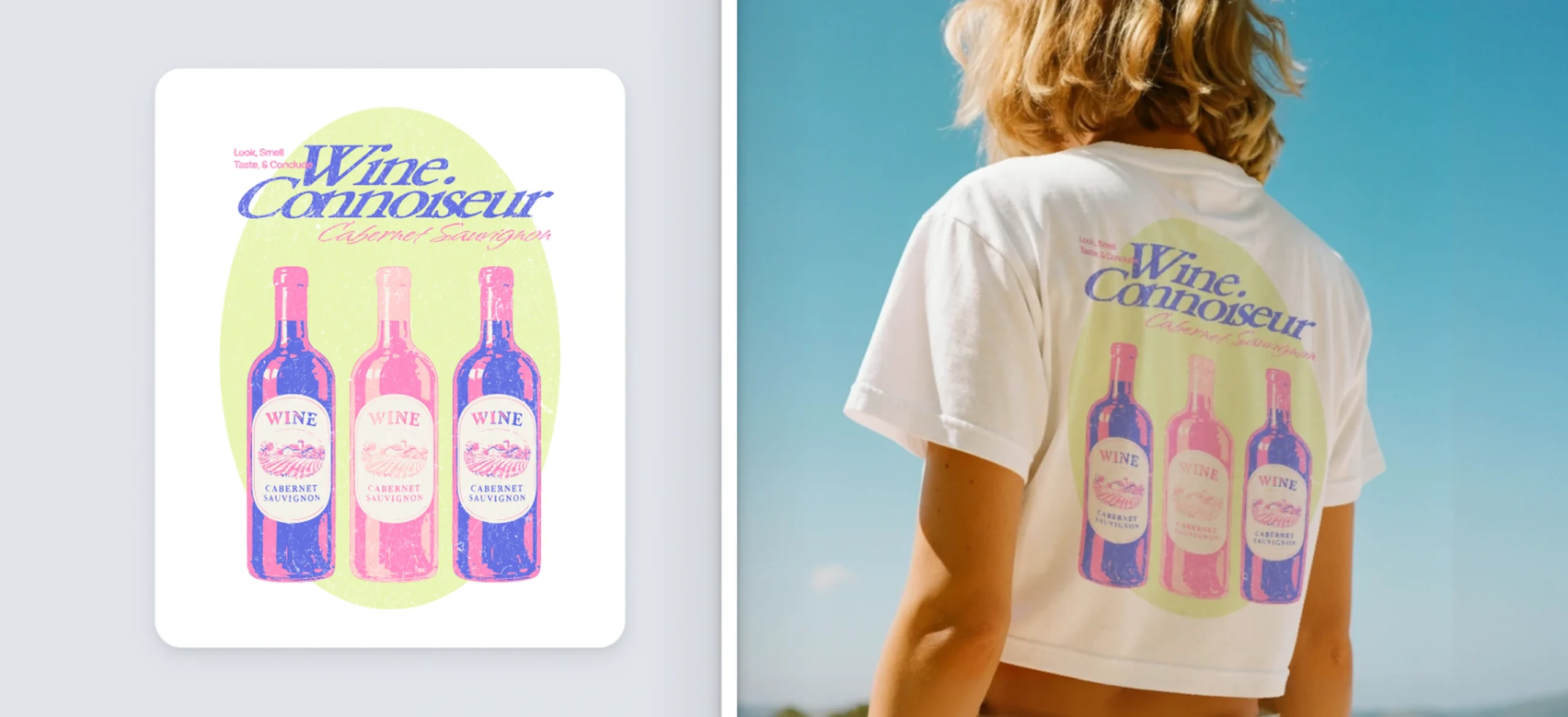
Most people think design mockups are just for designers polishing portfolios. A final flourish. A way to make flat files look nice on a hoodie or coffee mug.
But smart entrepreneurs know the secret: mockups aren’t the end of the process. They’re the beginning.
Used right, design mockups let you launch ideas, test markets, and pitch clients before you ever spend a cent on production. They turn risk into experiments, hesitation into momentum, and imagination into proof.
Here’s how small business owners, creators, and marketers are using mockups as their unfair advantage — and how you can too.
Sell before you produce with design mockups

Traditional business wisdom says: design a product, invest in stock, run a shoot, then try to sell it. Smart creators flip that order.
Etsy shops and POD sellers now upload mockups to their stores first. They test which colorways, slogans, or illustrations actually get clicks. Only then do they commit to production. The result? No dead inventory, no wasted budget — just proven sellers.
That’s the hidden gem: you can sell ideas before they exist physically.
Pro Tip
If you run an Etsy shop or POD business, upload 2–3 mockup variations of the same product (different colors, fonts, or slogans). Whichever version gets the most clicks or sales tells you what to actually produce. Let your audience be your R&D team.
Catch flaws early
Flat files lie. A logo that pops on your screen can disappear when printed small on a bottle. Colors that shine in RGB might clash on real packaging.
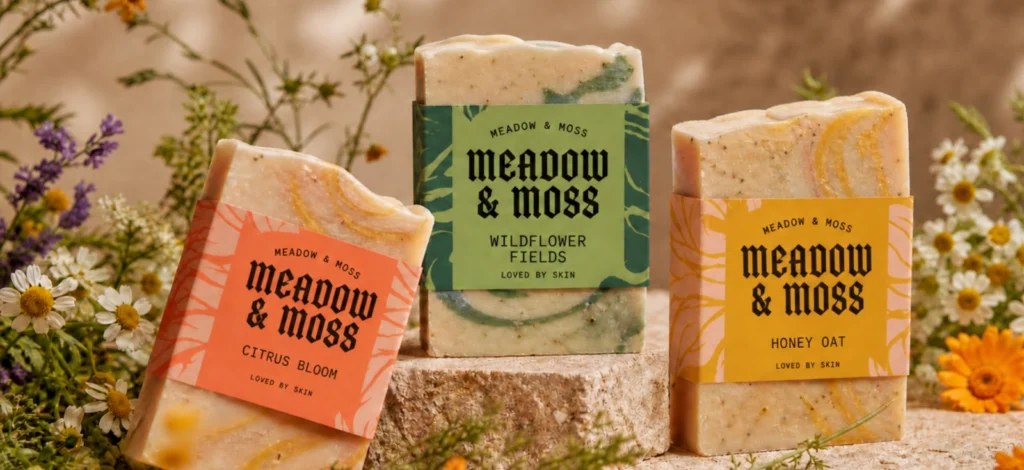
Independent cafés, skincare startups, and food brands are using mockups to stress-test their packaging before ordering. With Kittl’s smart wrapping, you see how your design behaves on textures, folds, and curves in real time. Better to find out now than after a print run of 5,000 labels.
Smart quality control.
Pro Tip
Mock up your packaging in two or three contexts (bottle, bag, shelf display) before you go to print. You’ll catch legibility and scale issues you’d never spot in Illustrator.
Designer’s take:
This article zooms in on how entrepreneurs use mockups to sell, pitch, and market smarter. But mockups are just as powerful in the design workflow itself: helping pros test typography, refine layouts, and present ideas with context. Curious? Read our companion piece: Why Graphic Designers Need Mockups.
Make pitches impossible to ignore

Clients and investors don’t think in vectors. They think in outcomes. Show them a flat logo file, and they’ll nod politely. Show them the same logo on a storefront mockup, and suddenly they’re picturing their grand opening.
That’s the hidden power of mockups: they make people believe. They bridge the gap between theory and reality, turning an idea into something that feels inevitable.
Claud, one of our designers, put it perfectly:
Pro Tip
Running a Kickstarter or pitching to investors? Always include product mockups in your deck. Instead of saying, “We’re planning a new line of hoodies,” show them as if they already exist. It makes the project feel tangible, fundable, and urgent.
Create campaigns without the photoshoot

Most small businesses can’t afford a full-scale shoot for every new launch. Mockups fill that gap.
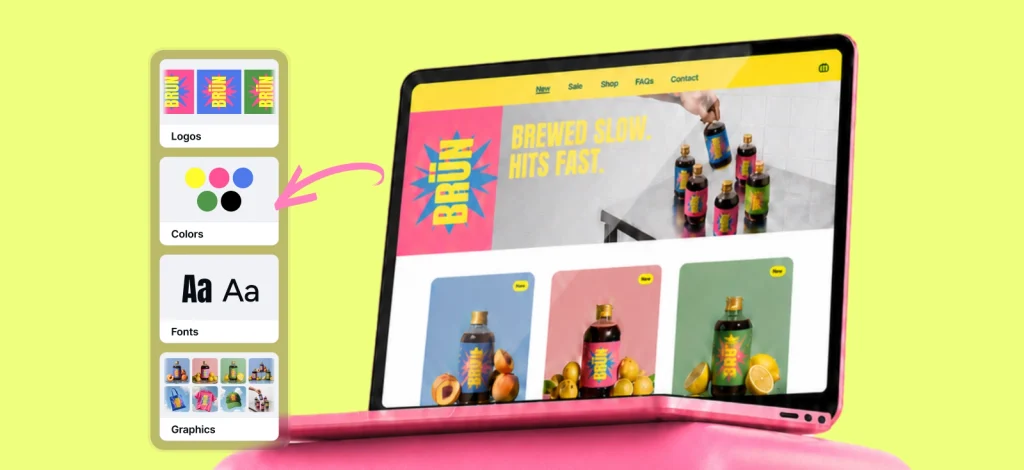
With Kittl, you can swap colors, backgrounds, and settings with one click. That T-shirt mockup? It becomes your product listing, Instagram teaser, Facebook ad, and newsletter banner — all before the first shirt comes off the press.
Because Kittl’s mockups use real people and environments (often our own team), they don’t look like generic stock images. They look authentic. Which is exactly what builds trust in early-stage brands.
Pro Tip
When launching a new collection, create a content calendar entirely from mockups. One hoodie mockup = your store listing, Instagram launch post, newsletter header, and Facebook ad. You’ll have a full campaign before you’ve even ordered stock.
Build confidence through context
Every entrepreneur knows the hesitation before pulling the trigger: Is this design really strong enough? Will people even care?
Mockups give you that perspective. When you see your idea “in the wild” (on a hoodie, a storefront, or a product package) you stop guessing. It either works, or it doesn’t. And that clarity is priceless.Some creators even post mockups directly to social with captions like “Would you buy this?” The engagement doubles as free feedback and a reality check before they invest.
Pro Tip
If you’re unsure whether an idea is worth pushing, mock it up and post it casually on social media — “Would you wear this?” or “Which do you prefer?” The engagement gives you instant validation and free market feedback.
Key takeaways: How to create product mockups on Kittl
Mockups aren’t just pretty pictures, they’re leverage. For entrepreneurs, they’re the fastest way to:
- Test ideas before you invest in production.
- Catch flaws that would cost you later.
- Win pitches by showing outcomes, not concepts.
- Create campaigns without waiting on photoshoots.
- Build confidence in your own ideas by seeing them in context.
Used this way, mockups stop being an afterthought and become a strategy. They let you move faster, spend smarter, and compete with bigger players. All while staying design-first.
Design-first, production-second
Mockups aren’t an afterthought. They’re a strategy. They let you design, test, and sell before you produce. They give you content without the cost, pitches without the risk, and confidence without the guesswork.
The smartest entrepreneurs aren’t waiting for “someday” to test their ideas. They’re using mockups to move faster, reduce risk, and outsmart competitors.
Ready to flip the script? Start with a mockup today.

Shafira is a content writer who turns boring business talk into reads people actually enjoy. She grew up hoarding $1 novels in Singapore and writing hilariously bad fiction, but now she tackles content marketing with all that creative chaos since 2019. From blogs and newsletters to UX and SEO, she writes how she thinks: nerdy, honest, and a bit offbeat. She believes the best content is human-designed, not just plain text.