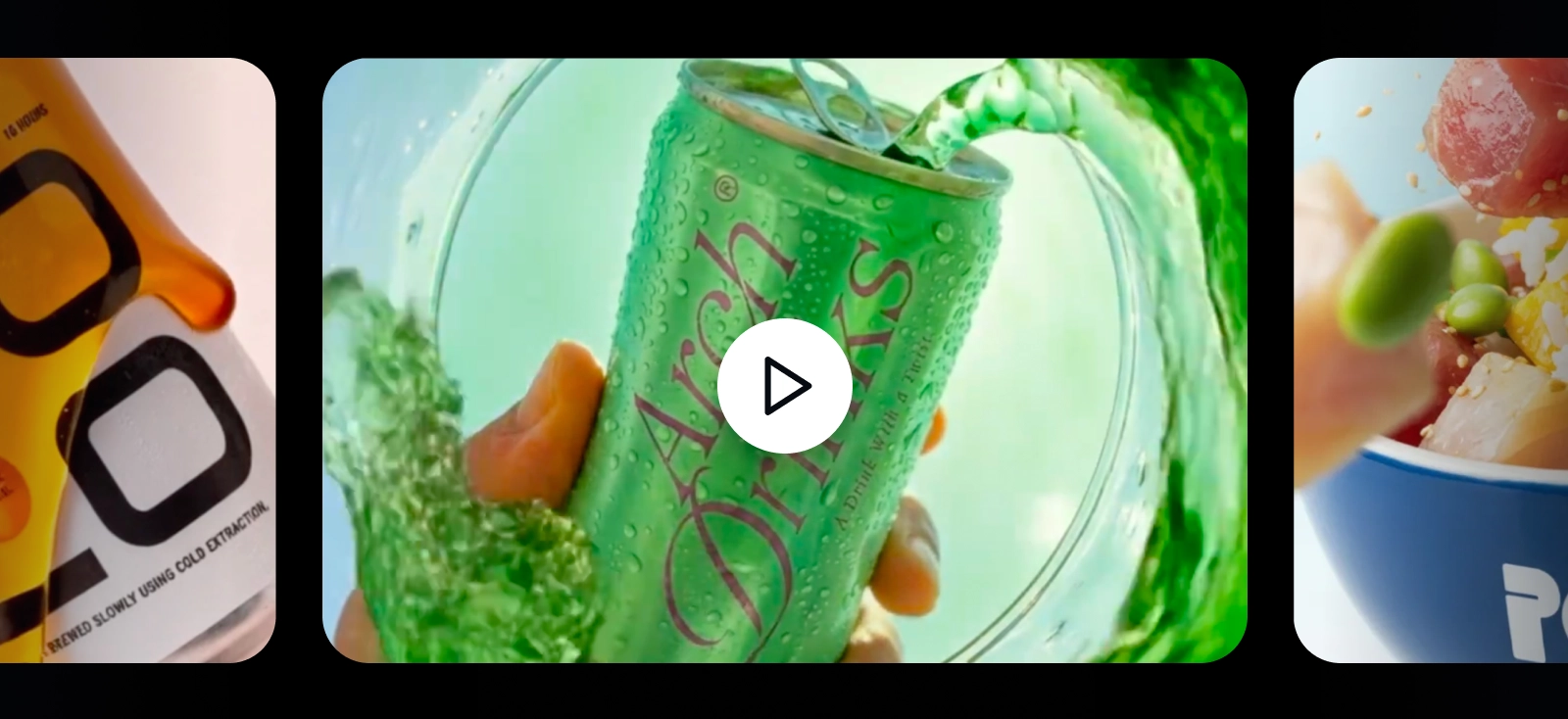
Kling 3.0 is quickly becoming one of the most talked-about AI video generators in the world. Developed by Kuaishou, the model pushes generative video closer to cinematic production with stronger character consistency, multi-shot storytelling, and native audio generation.
But raw power does not automatically mean practical.
While Kling excels at high-end cinematic generation, many creators simply need fast motion assets for marketing, social media, and design projects.
This review breaks down 15 core Kling 3.0 features, real creative use cases, pricing realities, and how Kling compares to tools like Runway, Veo, and design-focused platforms like Kittl.
What is Kling 3.0? The New Standard in AI Video Generation
Kling 3.0 is a generative AI video platform developed by Kuaishou that creates cinematic videos from text prompts, images, and reference assets. The model introduces multi-shot storytelling, character consistency, synchronized audio, and advanced temporal coherence, positioning Kling 3.0 as one of the most powerful AI video generators competing with Sora, Veo, and Runway.
Kling 3.0 represents one of the most significant leaps in AI video generation released in 2026. Built by the Chinese technology company Kuaishou, the model expands generative video from short experimental clips into something much closer to automated filmmaking workflows.
Earlier AI video tools typically produced isolated clips with inconsistent characters or unstable motion. Kling 3.0 tackles those limitations by combining several major capabilities in a single generation pipeline:
- Multi-shot storyboarding
- Character consistency across scenes
- Synchronized audio and dialogue
- Advanced temporal coherence
- Physics-aware motion generation
The model can generate videos up to 15 seconds long at up to 4K resolution, complete with dialogue, camera movement, and environmental audio.
This combination of features effectively turns Kling into what many creators now call an “AI director engine.” Instead of producing a single clip, the system can construct a full cinematic sequence with multiple camera angles and scene transitions.
That capability is why Kling 3.0 is frequently compared to emerging models such as:
- OpenAI Sora
- Google Veo
- Runway Gen-4
- Luma Dream Machine
However, there is an important distinction between cinematic AI tools and design-workflow tools.
Kling focuses on generating full video scenes from prompts — essentially replacing the filming stage of production.
By contrast, tools like Kittl’s AI Video Generator focus on animating existing design assets such as typography, posters, and product visuals directly within a design canvas. For many marketers and designers who already have finished layouts, this workflow can be significantly faster.
In other words:
- Kling = AI filmmaking engine
- Kittl = AI motion design workflow
Understanding this difference helps explain when Kling 3.0 makes sense — and when it may be overkill.
15 Core Features and Creative Use Cases of Kling 3.0
To understand where Kling 3.0 AI truly excels, it helps to look at its capabilities through three lenses:
- Advanced Generation Capabilities – features that allow Kling to construct cinematic scenes automatically.
- Post-Production and VFX Editing – tools that let creators modify generated footage without starting from scratch.
- Tactical Creative Workflows – practical ways creators, marketers, and designers can use Kling in real projects.
This structure highlights an important truth about Kling AI 3.0.
It is not just a prompt-to-video tool. It behaves more like a lightweight AI filmmaking engine, capable of generating scenes, editing footage, and testing creative ideas before production begins.
But as powerful as these tools are, they often come with time and credit costs, which makes them ideal for cinematic or experimental video generation, rather than rapid daily marketing workflows.
Category 1: Advanced generation capabilities
1. Implicit multi-shot prompting
One of the most powerful capabilities introduced in Kling 3.0 AI is implicit multi-shot prompting.
This feature allows the model to interpret a single, long-form text prompt and autonomously break it down into multiple distinct camera angles and cuts, without requiring the creator to manually segment the scene.
Most AI video generators still work clip-by-clip. If you want multiple shots — an establishing shot, a close-up, and a reaction shot — you typically generate each one separately and edit them together later.
Kling 3.0 takes a different approach.
When you write a descriptive paragraph of a scene, the model analyzes the narrative structure and automatically constructs a sequence of shots that feels more like real cinematic coverage.
For example, a prompt like:
A chef preparing ramen in a quiet street restaurant at night, steam rising from the bowl as customers watch from the counter.
Kling might generate:
- a wide establishing shot of the restaurant
- a medium shot of the chef preparing ingredients
- a close-up of noodles entering the broth
- a reaction shot of the finished bowl
Instead of producing one static clip, the model generates a cohesive visual sequence.
For storyboard artists and creative directors, this dramatically speeds up early concept development. A single paragraph describing a scene can quickly become a visual narrative used to pitch campaign ideas, film concepts, or branded stories to clients.
Write prompts like short screenplay descriptions. Mention environment, subject actions, and emotional beats. Kling’s multi-shot logic performs best when the scene naturally implies multiple perspectives.
2. Explicit custom multi-shot sequences
While Kling 3.0 can automatically generate sequences using implicit multi-shot prompting, it also gives creators a more precise option: explicit custom multi-shot sequences.
This feature allows users to manually define up to six distinct shots within a single timeline, specifying the duration, camera movement, and action for each segment. Instead of relying entirely on the AI’s interpretation of a prompt, creators can guide exactly how the scene unfolds.
For example, a commercial sequence might be structured like this:
Shot 1 (0–2s)
Wide shot of a runner tying their shoes before sunrise.
Shot 2 (2–4s)
Tracking shot of the runner sprinting through a quiet city street.
Shot 3 (4–6s)
Close-up of the sneaker hitting the pavement.
By defining each shot, Kling generates a cohesive multi-camera sequence that follows your timing and structure, reducing the need for external editing.
This level of control is particularly useful for advertising and product marketing, where pacing matters. If a product reveal must happen exactly at the three-second mark of a six-second social ad, explicit multi-shot control lets you lock that moment in place.
Use this feature when timing matters — especially for ads, product reveals, and short-form marketing videos where every second of screen time counts.
3. Native audio and sound design generation
One of the most interesting additions in Kling AI 3.0 is the ability to generate native audio directly alongside video generation.
Instead of producing silent clips that require external sound design, Kling can generate synchronized background audio, ambient noise, and specific sound effects based directly on cues within the text prompt.
For example, a prompt describing:
A rainy night in a neon-lit alley with a motorcycle pulling up.
may produce audio elements such as:
- rain hitting metal surfaces
- distant traffic noise
- the rumble of a motorcycle engine
Because these sounds are generated together with the visual scene, they often feel more naturally synchronized with the motion and environment.
For creators, this reduces dependence on external stock libraries and speeds up the prototyping process. Instead of exporting a clip and searching for matching sound effects, you can immediately preview whether the mood and atmosphere of the scene actually works.
This is especially useful when testing tone-heavy content like cinematic brand ads, moody social videos, or environmental storytelling.
Include specific atmospheric cues in your prompt — phrases like “distant thunder,” “crowd chatter,” or “coffee shop ambience” help Kling generate more convincing sound environments.
4. Multilingual speech and lip-sync
Another major upgrade in Kling 3.0 AI is its support for multilingual speech generation with synchronized lip-sync animation.
The platform can generate dialogue in several languages — including English, Chinese, and Spanish — while simultaneously animating the character’s facial expressions and mouth movements to match the spoken words.
This solves one of the most persistent challenges in AI video: believable talking characters.
Instead of simply overlaying audio onto a generated character, Kling attempts to synchronize the timing and shape of the mouth movements with the generated speech.
The result is often more convincing than traditional text-to-video narration — although in practice, lip-sync accuracy can still vary and may require a few iterations to achieve natural-looking dialogue.
For global brands and content creators, this feature opens the door to AI-driven localization.
A company could generate a single character delivering a product message, then quickly produce multiple versions of that video in different languages — without re-recording voice-overs or reshooting footage.
This can significantly reduce production costs when creating international marketing campaigns, explainer videos, or social ads targeted at multiple regions.
Shorter dialogue works best. Keep sentences clear and conversational, which improves both speech generation and lip-sync accuracy.
5. Subject binding for character consistency
One of the most impressive technical features of Kling AI 3.0 is subject binding, a system designed to maintain consistent character identities across multiple generated shots.
In many AI video tools, characters tend to change subtly between clips. Hairstyles shift, clothing colors change, or facial features drift slightly from one scene to the next. This makes it difficult to build narratives around a single recurring character.
Subject binding solves that problem.
Creators can upload reference images — such as a specific face, outfit, or product — which the model then locks as a visual identity across multiple generations and camera angles.
This allows the same character to appear consistently in:
- wide establishing shots
- medium interaction scenes
- close-up facial moments
For brands and creators, this opens up entirely new storytelling possibilities.
Instead of recreating a character for every scene, teams can bind a brand’s spokesperson or mascot once and reuse that identity across multiple videos — ensuring they remain visually consistent in both wide shots and extreme close-ups.
This is especially valuable in commercial workflows, where maintaining a recognizable face across different scenes is critical for brand recall.
A company could create a consistent brand spokesperson, mascot, or fictional character who appears across multiple videos while maintaining the same visual identity.
Upload multiple reference images of the subject from different angles. This gives the model stronger visual anchors and improves consistency across scenes.
6. Omni mode for complex scene construction
Kling 3.0 also introduces Omni Mode, a feature designed to handle more complex scenes involving multiple subjects and interactions.
Instead of relying on a single descriptive prompt, Omni Mode allows creators to combine multiple scene elements using “@ tagging” syntax.
For example, a prompt might reference:
@CharacterA
@CharacterB
@Product
@BackgroundScene
Each tagged element represents a defined object or subject that the model should incorporate into the generated video.
This structured approach helps Kling orchestrate multi-actor interactions and object placement more reliably than traditional text prompts.
For creators producing social media skits, product demonstrations, or narrative scenes, Omni Mode makes it easier to coordinate interactions between characters and branded objects.
Imagine a short social clip where a bound character unboxes a bound product on a table. By tagging both the specific product and the character separately, Kling can ensure the interaction stays accurate — so the product’s shape, branding, and details remain consistent as it’s handled on screen.
This is especially important for e-commerce marketing, where even small inconsistencies can make a product feel unrealistic or off-brand.
Use Omni Mode when your scene involves multiple characters, props, or products. Tagging elements reduces ambiguity and helps the model stage the scene more accurately.
Category 2: Post-production and VFX editing
While Kling 3.0 is primarily known for generating video from prompts, it also introduces several post-production style editing tools. These allow creators to modify or enhance generated footage without starting over from scratch — something that can save significant time during revisions.
7. Video inpainting and element replacement
One of the most practical editing tools in Kling 3.0 AI is video inpainting, which allows creators to modify specific areas of a generated or uploaded video.
Instead of regenerating an entire clip, you can mask a section of the frame and instruct the AI to replace or alter only that region.
For example, imagine a generated office scene that looks perfect — except the desk contains the wrong object. Rather than discarding the whole video, you can simply mask the object and prompt Kling to replace it with something else, like:
A silver laptop on the desk
A coffee mug with a brand logo
A stack of documents
Kling will regenerate only the masked area while keeping the rest of the scene intact.
This is particularly valuable during client revisions, where small changes are common. In traditional production workflows, even minor changes can require expensive re-renders or reshoots. Video inpainting reduces that friction by allowing creators to make targeted edits directly within the AI generation pipeline.
Mask slightly larger areas than the exact object you want to change. This gives the model more context and often produces more natural replacements.
8. Omni VFC era-swapping
Another creative editing capability inside Kling AI 3.0 is Omni VFX era-swapping, which allows creators to transform the visual aesthetic of a video after it has already been generated.
Instead of changing objects within a scene, this feature applies large-scale stylistic transformations to the entire video.
For example, a modern street scene could be transformed into:
- a 1920s silent film aesthetic
- a grainy VHS camcorder style
- a retro cyberpunk cityscape
These transformations modify elements like lighting, film grain, color grading, and visual texture while preserving the underlying motion and scene composition.
For marketers and creators, this opens the door to quick experimentation with visual storytelling styles.
Social media trends often revolve around specific aesthetics — especially nostalgic audio paired with retro visuals. Instead of recreating footage from scratch, creators can take standard lifestyle b-roll and instantly convert it into styles like a 1920s silent film to match trending nostalgic audio on platforms like TikTok or Instagram.
This makes era-swapping particularly useful for trend-driven social campaigns, creative concept testing, or branded storytelling experiments.
Keep the base scene relatively simple. Stylized transformations tend to work best when the underlying footage has clear subjects and uncluttered environments.
9. High-fidelity style transfer
Style transfer in AI video is not new, but Kling 3.0 introduces a much higher level of temporal consistency, which makes the effect far more usable for real projects.
With this feature, creators can transform the visual medium of a video while preserving motion and structure.
For example, a photorealistic clip can be converted into:
- watercolor animation
- hand-drawn illustration
- stylized 3D animation
- collage-style visuals
The challenge with earlier AI video tools was that styles often shifted from frame to frame, causing flickering or unstable visuals.
Kling 3.0 improves this by maintaining consistent style across consecutive frames, which helps preserve the illusion of continuous motion.
In practice, some styles perform better than others. Watercolor and painterly effects tend to transfer smoothly, while more complex styles like collage can struggle — especially when layered “paper” edges shift or blur during motion.
For creative teams and marketing departments, this feature is particularly useful for A/B testing visual direction.
Instead of producing entirely separate ad concepts, a team could take the same base video and render it in multiple styles — one realistic, one illustrative, one stylized — and compare which version performs better with audiences.
Start with clean, simple footage. The clearer the base motion and composition, the more convincing the final stylized output will look.
10. Cinematic camera motion control
One of the reasons Kling 3.0 stands out among AI video generators is its ability to simulate complex cinematic camera movement.
Instead of generating static scenes, creators can control virtual camera behaviors such as:
- panning across environments
- slow dolly-in shots
- tracking a moving subject
- subtle zoom or tilt movements
These controls mimic real filmmaking techniques and help AI-generated videos feel more dynamic and intentional.
For example, a static product image could be turned into a cinematic shot by prompting:
A slow dolly-in camera movement toward a luxury watch resting on a marble surface.
The result feels far more premium than a still image, even though the original visual input may have been simple.
For marketers and designers, this opens up interesting possibilities. Instead of investing in expensive video shoots, creators can transform existing product photography or brand visuals into motion-driven assets suitable for landing pages, ads, or hero sections.
Subtle camera motion usually looks more professional than dramatic movement. Slow push-ins and gentle pans tend to produce the most convincing results.
Category 3: Tactical workflow implementation
Beyond individual features, the real value of Kling 3.0 AI shows up when you apply it to real creative workflows. From product marketing to content creation, these tactical implementations reveal where the tool can genuinely speed up production.
11. E-commerce product animation
One practical use case for Kling AI 3.0 is turning static product photography into dynamic product visuals.
Using image-to-video generation, creators can animate product images while preserving the exact details of the item — including logos, packaging, and textures. Instead of showing a flat product photo, the model can introduce subtle environmental motion.
For example:
- clothing moving slightly in the wind
- reflections shifting on a watch or phone surface
- steam rising from a coffee mug
- soft lighting changes across a product label
These small movements make a product feel more alive and premium without requiring a full video shoot.
For e-commerce brands, this is extremely valuable. Product pages that include motion visuals tend to hold attention longer than static images, and short looping clips can be reused across marketplaces, ads, and landing pages.
However, tools like Kling are typically used when the goal is to create cinematic product scenes or lifestyle environments.
For designers who already have finished product mockups, a simpler workflow can sometimes be more efficient. Platforms like Kittl’s AI Video Generator focus on animating existing designs and mockups directly on the canvas, making it easy to generate short motion clips without rebuilding the scene from scratch.
Small, subtle motion usually performs better in product videos than dramatic animation. Focus on lighting changes, reflections, or environmental movement.
12. Social media B-Roll generation
Another useful application of Kling 3.0 is generating short background footage for social media content.
Content creators often need small pieces of filler footage — sometimes called B-roll — to support voiceovers, captions, or storytelling.
Instead of searching through stock libraries, creators can generate specific scenes such as:
- a rainy city street at night
- coffee brewing in a café
- someone walking through a futuristic office
- abstract product environments
These clips typically last three to five seconds, making them ideal for platforms like TikTok, Instagram Reels, or YouTube Shorts.
However, B-roll rarely stands alone. Most social videos combine background motion with text overlays, headlines, or brand messaging.
This is where design-first tools become useful. Many creators generate the visual background using AI video tools, then bring that clip into a design environment to add typography and layout elements.
For example, a designer might generate a short background video and then layer high-converting text and brand graphics in Kittl, creating a complete social media asset to complete your Instagram or TikTok asset.
When generating B-roll, keep prompts simple. Generic environments often work better than overly complex scenes.
13. Pitch deck visualizations
One unexpected but powerful use case for Kling AI 3.0 is creating motion visuals for presentations and pitch decks.
Creative agencies, marketing teams, and startup founders frequently rely on mood boards to communicate the direction of a project. These boards usually include reference images, color palettes, and style inspiration.
The problem is that static images often fail to capture the energy and pacing of an idea.
Kling allows teams to go one step further by generating short motion clips that illustrate how a campaign, product launch, or film concept might actually feel in motion.
For example, instead of showing a static image of a futuristic city, a creative director could generate a five-second cinematic clip of that environment and embed it directly into a presentation.
This can dramatically increase the perceived production value of a pitch.
Clients often struggle to imagine how an idea will look in the final product. Motion visuals bridge that gap by showing tone, lighting, and camera movement before production even begins.
Keep pitch clips short — usually 3–6 seconds is enough to communicate mood without slowing down your presentation.
14. Automated narrative skits
Kling 3.0 also opens the door to generating short narrative videos entirely inside the AI system.
By combining features like multi-shot prompting, character binding, and dialogue generation, creators can prototype simple storytelling sequences.
For example, a prompt might describe:
A barista accidentally serving the wrong coffee order, then realizing the mistake.
Kling can interpret that description and generate a short sequence that includes multiple shots, character reactions, and environmental context.
For content creators and social media personalities, this offers an interesting advantage: rapid concept testing.
Before investing time filming a sketch or short video, a creator could generate an AI version to test pacing, visual ideas, or comedic timing.
While the results may not always be production-ready, they can act as visual prototypes for short-form storytelling.
This is particularly relevant for creators producing YouTube Shorts, TikTok skits, or narrative Instagram content, where experimentation happens quickly.
Short, simple story prompts work best. Scenes involving one or two characters and a clear action usually generate more coherent results.
15. Typographic integration testing (Text-on-Sign)
One interesting capability improving in Kling 3.0 AI is its ability to generate text that appears naturally inside environments.
This is sometimes referred to as text-on-sign generation — where words appear on objects within the scene, such as:
- neon signs
- street billboards
- posters on a wall
- storefront signage
Earlier AI video models struggled with readable text, often producing distorted or misspelled words. Kling’s newer models show improved logic for placing short phrases within environmental elements.
For marketers and designers, this opens up interesting creative possibilities.
A brand could generate footage of a busy city street where the billboards display the company’s actual tagline, or create a scene where a café chalkboard menu shows promotional messaging.
These types of visuals are often used for website hero videos, product launches, or brand storytelling campaigns.
However, when typography itself is the primary design element — such as posters, logos, or social media graphics — creators often prefer tools designed specifically for design-first motion.
Kittl, for example, focuses on animating typography and layouts directly within the design canvas, allowing creators to keep text perfectly readable while adding controlled motion.
Use short phrases for environmental text. The shorter the wording, the more reliably the AI will render it.
Kling 3.0 pricing & the reality of credit consumption
Like most advanced AI video generation platforms, Kling 3.0 operates on a credit-based system.
Instead of paying per export, creators spend credits every time a video is generated.
The cost of each generation depends on several factors:
- video length (for example 3–15 seconds)
- resolution (720p vs 1080p or higher)
- whether synchronized audio is generated
- which generation model is used
Credit cost breakdown
To understand how quickly credits add up, here’s a simplified breakdown based on typical generation settings:
| Resolution | With Audio | Without Audio |
| 720p | ~9 credits/sec | ~6 credits/sec |
| 1080p | ~12 credits/sec | ~8 credits/sec |
Example costs
- 5s video (720p, no audio) → ~30 credits
- 5s video (720p, with audio) → ~45 credits
- 5s video (1080p, no audio) → ~40 credits
- 5s video (1080p, with audio) → ~60 credits
And that’s before iteration.
Because AI video rarely gets the perfect result on the first try, most creators generate multiple versions to refine motion, composition, or timing. In practice, producing a single usable clip can easily cost 2–4x more credits than expected.
What this means in real workflows
For example, on a 3,000 credit plan:
- ~4 minutes of 1080p video (with audio) per month
- ~6 minutes of 720p video (with audio) per month
This makes Kling 3.0 feel less like a rapid content tool and more like a cinematic production engine, where each generation is treated like a “take” rather than a quick draft.
For high-end storytelling or campaign visuals, this trade-off can be worth it.
But for everyday workflows — like social media posts, product animations, or quick ad variations — the combination of credit cost + render time + iteration cycles can slow things down significantly.
That’s why many designers and marketers turn to tools like Kittl’s AI Video Generator, where motion is applied directly to existing designs, allowing for faster iteration without the overhead of full scene generation.
And revisions matter.
AI video generation is rarely perfect on the first try. Creators often generate several variations to refine the motion, lighting, or composition. Because of this, the real cost of producing a single usable clip can increase quickly.
Render time is another consideration. High-quality Kling generations can take 3+ minutes to render per clip, which slows down experimentation compared to design-first tools that generate motion much faster.
None of this makes Kling a bad tool — it simply reveals its intended role.
This pricing structure reveals an important insight about where Kling fits in the creative ecosystem.
Kling works best as a cinematic generation engine, where the goal is to produce visually impressive scenes or narrative sequences.
However, many daily creative workflows are very different.
Designers creating:
- social media ads
- animated product visuals
- landing page graphics
- typography-driven motion posts
often prioritize speed and iteration over cinematic realism.
For these tasks, design-native motion tools — such as Kittl’s AI Video Generator — can be significantly more efficient because they animate existing layouts instead of generating full scenes from scratch.
Kling 3.0 vs the AI video ecosystem (Runway, Veo, and Kittl)
The AI video landscape is evolving quickly, and each platform is optimized for a different part of the creative workflow.
Rather than thinking of them as direct replacements, it helps to understand what each tool is best at.
| Platform | Core strength | Best use case |
| Kling 3.0 | Cinematic scene generation | Narrative storytelling, AI filmmaking |
| Runway | AI video editing and effects | Hybrid editing workflows |
| Veo | High-fidelity physics simulation | cinematic realism |
| Kittl | Design-first motion creation | marketing visuals and animated design assets |
A more technical comparison highlights how these tools differ.
| Capability | Kling 3.0 | Runway | Veo | Kittl |
| Prompt adherence | Very strong | strong | strong | simple motion prompts |
| Temporal consistency | strong | moderate | very strong | not needed (design animation) |
| Scene complexity | very high | moderate | high | low |
| Workflow complexity | high | moderate | high | very low |
| Credit consumption | high | moderate | high | minimal |
Kling stands out when the goal is cinematic storytelling.
Features like subject binding, multi-shot prompting, and Omni scene orchestration make it particularly powerful for creators experimenting with AI filmmaking or narrative-driven content.
However, many marketing workflows don’t require cinematic complexity.
Designers creating social media posts, ads, product visuals, or landing page graphics often start with finished layouts, typography, or mockups. What they need is not a fully generated scene, but a way to add motion to existing designs quickly.
This is where tools like Kittl’s AI Video Generator take a different approach.
Instead of generating entire scenes from prompts, Kittl allows creators to turn static designs into short motion clips directly on the canvas, using simple prompts to describe camera movement or animation.
Because motion happens within the design environment, creators can animate typography, posters, product mockups, or brand assets without switching tools or learning complex motion software.
In practice, this means the two tools serve different roles:
- Use Kling when you want to generate cinematic scenes or experimental AI videos.
- Use Kittl when you want to animate design assets quickly for marketing or content production.
Conclusion: Is Kling 3.0 the right tool for you?
Kling 3.0 is easily one of the most advanced AI video generation models available today.
Its ability to interpret complex prompts, maintain character consistency, generate multi-shot sequences, and produce synchronized audio brings AI video closer to real filmmaking workflows.
For creators exploring cinematic storytelling, narrative prototypes, or experimental AI filmmaking, Kling offers impressive capabilities that few tools can currently match.
However, that power also comes with trade-offs.
The credit system, slower render times, and more complex prompt workflows mean Kling is often better suited to high-production creative projects rather than everyday content creation.
For marketers, designers, and content creators who produce visual assets daily, the priority is usually speed, iteration, and layout control.
Instead of generating entire scenes from scratch, many creators simply want to turn existing visuals into motion.
Tools like Kittl’s AI Video Generator are designed around that workflow, allowing users to animate typography, mockups, and brand assets directly inside the flexible design canvas — without timelines, keyframes, or switching tools.
Ultimately, Kling 3.0 isn’t just another AI video tool. It’s a glimpse into the future of AI-assisted filmmaking. But depending on your workflow, the most practical solution might still be the one that helps you ship creative work faster.
Frequently Asked Questions about Kling 3.0
What is Kling 3.0?
Kling 3.0 is an AI video generation platform developed by Kuaishou that creates cinematic videos from text prompts or images. It introduces features such as multi-shot scene generation, character binding, synchronized audio, and improved temporal consistency.
What makes Kling AI 3.0 different from earlier AI video models?
Kling 3.0 improves scene continuity and narrative structure. Features like subject binding and multi-shot prompting allow creators to generate sequences that resemble real film production rather than isolated clips.
Is Kling 3.0 free to use?
Kling offers limited free access, but most video generations require credits. Costs depend on factors like clip duration, resolution, and whether audio is generated.
How long does it take Kling 3.0 to generate videos?
Generation times vary depending on the settings, but higher-quality clips can take several minutes to render.
How does Kling compare to Runway?
Kling focuses primarily on generative video creation, while Runway offers a broader suite of video editing and AI production tools.
Can Kling generate consistent characters across scenes?
Yes. Kling’s subject binding system allows creators to upload reference images so characters maintain consistent appearance across multiple shots.
Is Kling good for marketing videos?
Kling can be used for high-end marketing visuals, especially cinematic brand content. However, for fast social media assets or animated design content, creators often prefer tools optimized for rapid iteration like Kittl’s AI Video Generator.
What is Kittl AI Video?
Kittl AI Video allows designers to turn existing designs into short motion clips using prompts directly on the canvas, making it easy to animate mockups, typography, and brand assets without switching tools.

Shafira is a content writer who turns boring business talk into reads people actually enjoy. She grew up hoarding $1 novels in Singapore and writing hilariously bad fiction, but now she tackles content marketing with all that creative chaos since 2019. From blogs and newsletters to UX and SEO, she writes how she thinks: nerdy, honest, and a bit offbeat. She believes the best content is human-designed, not just plain text.