If you’re running a small business, brand guidelines can sound like something you deal with later — after you’ve grown, hired help, or finally have time to breathe.
But here’s the reality: brand guidelines are often more valuable for small businesses than for big ones.
But brand guidelines aren’t a “big company” thing. They’re a consistency thing.
That’s why brand guidelines for small business matter early, long before you have a full team or a full-time designer.
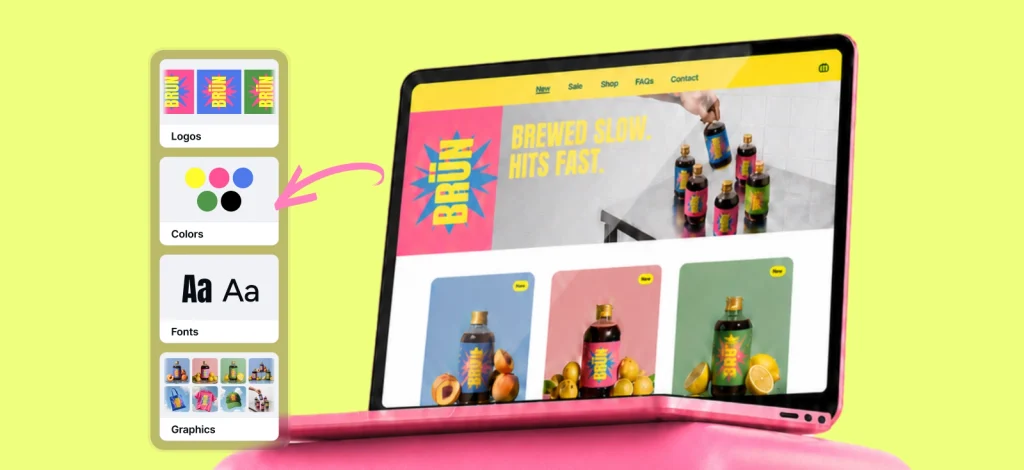
Small businesses don’t struggle with creativity. They struggle with keeping the brand recognizable when life gets busy. A simple brand guide fixes that. Not a 40-page corporate document, just a clear system you can reuse (and share) so your logo, colors, fonts, and messaging stop drifting.
In this article, we’ll walk you through what you’d need to prepare for your brand guide. If you want to jump straight into branding after reading our tips, Kittl makes it easy to pull together logos, colors, fonts, templates, and real-world examples in one place, fast. So feel free to jump right in!
The short answer: Do you need brand guidelines for small business?

Yes, most small businesses need brand guidelines.
Not a 40-page corporate brand book. But at least a clear, documented system that keeps your brand consistent across marketing, design, and communication.
There’s also a strong business case. Industry research consistently links brand consistency to higher revenue, with widely cited studies showing up to 33% revenue uplift for brands that present themselves consistently. Trust plays a major role too — Edelman research summaries report that 67% of consumers say they must trust a brand to continue buying.
For small businesses, brand guidelines help you look trustworthy faster — without spending more on ads or redesigns.
The easiest way to make this useful is to turn it into something you’ll actually open again. In Kittl, you can build your one-page guide using ready-made templates — or lay it out yourself and keep it alongside the assets you use every week.

Modern brand guidelines
Use Template

Fashion brand guidelines.
Use Template

Brand guidelines green.
Use Template
You can also read more about one-pagers in whole guide here.
What are brand guidelines (and what they’re not)
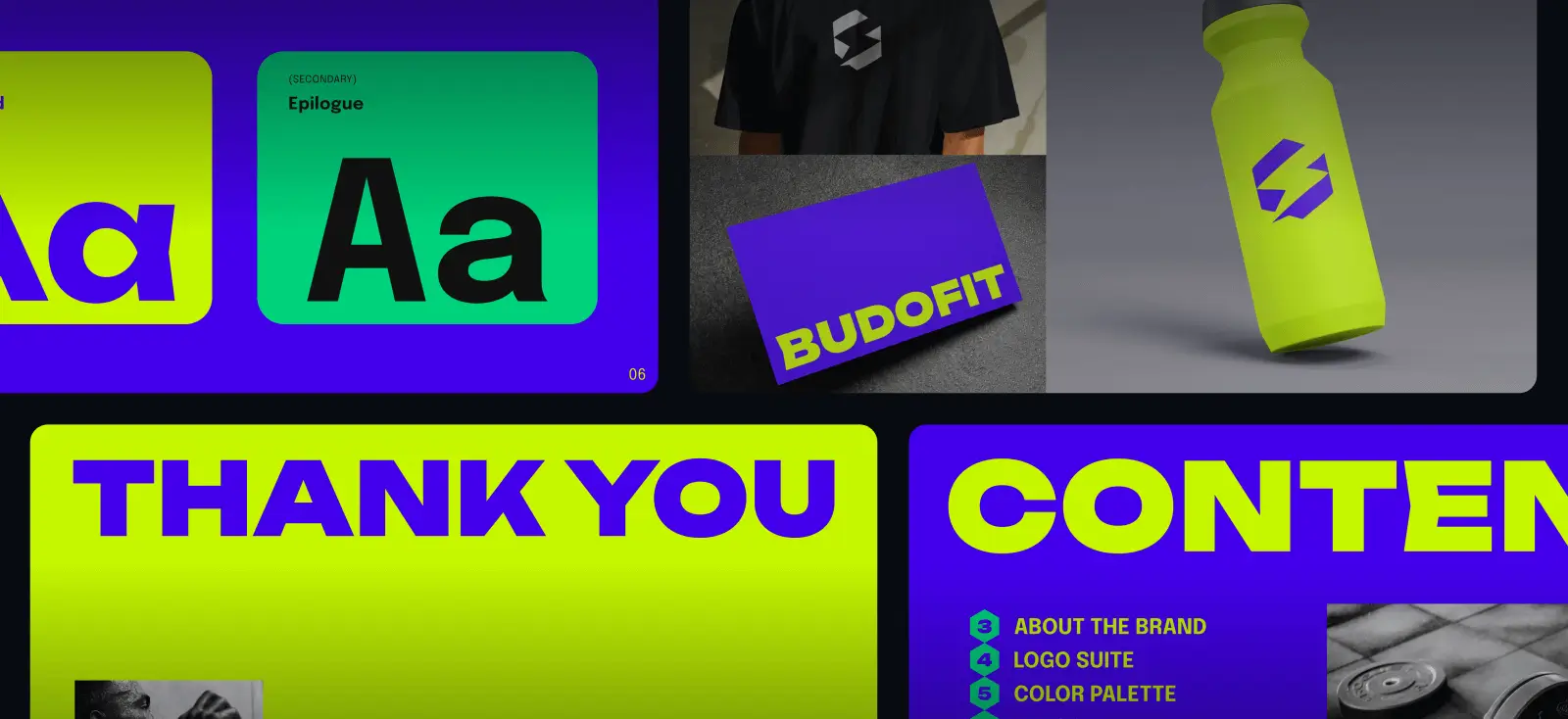
Brand guidelines — also called a brand style guide for small business — are a set of rules that define how your brand looks, sounds, and behaves across every touchpoint.
Think of brand guidelines for small business as the simplest way to keep your brand recognizable across every channel, even when you’re moving fast.
They typically include:
- Logo usage rules (versions, spacing, misuse)
- Brand colors and exact color codes
- Typography and font hierarchy
- Imagery or illustration style
- Voice and tone guidelines
- Real-world examples of on-brand usage
Brand guidelines are not about restricting creativity. They’re about making sure your business looks recognizable and professional, even when you’re moving fast.
If you’re using templates (and most small businesses should), brand guidelines are what make templates feel like your brand instead of generic design.
Brand guidelines vs brand kit: what’s the difference?

A brand kit is your stored ingredients: logo files, brand colors, fonts, and sometimes basic components like buttons or backgrounds.
Brand guidelines are the instructions: how those ingredients should be used so the output stays consistent.
A lot of small businesses stop at the brand kit because it feels “done.” But without usage rules, inconsistencies creep in fast — especially once a freelancer, printer, or partner is involved.
Kittl’s Brand Kit helps you store the ingredients (logos, colors, fonts) so they’re always within reach. Pair that with a one-page guideline (even a simple layout you keep pinned in your workspace) and you’ve got both: assets + rules.
In short: brand guidelines for small business tell people how to use your assets — so your brand stays consistent no matter who’s designing.
Why brand guidelines matter more for small businesses
Large companies rely on teams and approvals to stay consistent. Small businesses rely on speed and gut decisions.
That’s exactly why brand guidelines for small business are so powerful.
1. They prevent expensive mistakes

Common small-business scenarios:
- Sending the wrong logo to a printer and paying for reprints
- Packaging colors that don’t match your website or ads
- A freelancer designing a one-off asset that clashes with everything else
Brand guidelines reduce rework, waste, and “we’ll fix it later” costs.
2. They build trust and credibility

Consistency is one of the fastest ways to look legitimate. When your visuals, tone, and messaging feel aligned, customers trust you more — even if they’ve never heard of your brand before.
Brand consistency is especially important for small businesses trying to compete with larger, more established brands.
Pro Tip
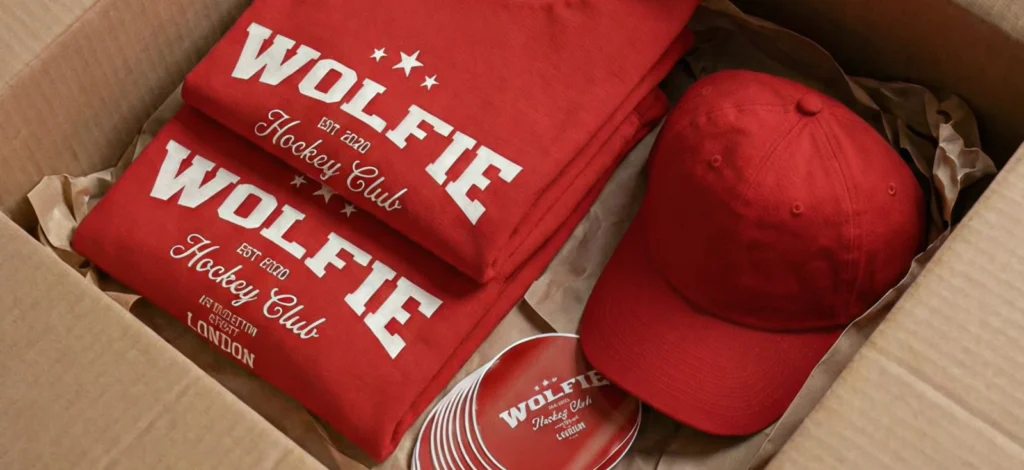
Mockups are a cheat code here. A consistent brand applied to real contexts — product listings, packaging, promo posts — signals legitimacy instantly. (And it’s way easier to spot inconsistencies when you see your design “in the wild.”)
3. They save time and reduce decision fatigue
Without guidelines, every design requires dozens of small decisions: which font, which color, which logo version.
Brand guidelines turn decisions into defaults — freeing up time and mental energy.
4. They make growth and delegation possible
The moment you:
- Hire a freelancer or VA
- Work with a printer or manufacturer
- Launch ads or new channels
…having your brand “in your head” stops working.
Brand guidelines make it possible to scale without losing quality.
When small businesses don’t need brand guidelines (yet)
There are situations where you can wait on a full brand guidelines document.
You can pause if:
- You’re pre-launch and still validating your idea
- Your brand name, offer, or audience changes week to week
But “waiting” doesn’t mean doing nothing.
Even at this stage, you should still lock a minimum setup so early work doesn’t become throwaway later.
At minimum, decide:
- One logo version you always use
- One primary color you default to
- One font pair you don’t change per project
This gives you guardrails. It prevents early designs, posts, or pages from feeling random — and saves you from having to redo everything once you commit.
Think of it as brand basics, not brand guidelines yet.
In Kittl, you can save those basics into a Brand Kit immediately — so every new design starts on-brand by default, even before you write a full guideline.
Minimum-viable brand guidelines for small business (one-page version)
If you only create one thing, make it this: a one-page brand guide you’ll actually use.
A simple way to do it is to build it like a living workspace instead of a formal document. With Infinite Canvas, you can place every guideline block side-by-side — logos, color palette, typography hierarchy, voice notes, and real examples — so it’s easy to maintain as your brand evolves.
1. Logo guidelines (so your brand doesn’t get diluted)

Your logo is usually the first thing that gets misused — stretched, recolored, or dropped onto busy backgrounds.
Include:
- Primary logo (your default)
- Secondary version (stacked or horizontal)
- Icon-only version (for social avatars, favicons)
- Minimum size and spacing rules
- Clear “don’ts” (stretching, recoloring, shadows, outlines, cluttered backgrounds)
Pro Tip
Create one folder labeled “Approved logos only” and share that — never raw design files.
If you’re still early, starting from a strong base helps. Kittl includes logo templates you can customize quickly. You can find templates like this:


2. Brand color palette (small, strict, intentional)

Color inconsistency is one of the fastest ways to look unpolished.
Include:
- One primary brand color (your anchor)
- Two to three supporting colors
- Neutral colors for backgrounds and text
- Exact HEX codes (and CMYK if you print)
Use this when: designing anything new — posts, ads, packaging, web sections.
This prevents: color drift across tools, platforms, and printers.
You can also check out more about color palettes and color psychology in our other articles. Read here to learn more about mastering the color wheel or read here for the best color combinations for professional designs.
Pro Tip
Decide once: primary color = CTAs and highlights. Supporting colors = accents. Neutrals = structure.
3. Typography rules (boring on purpose)
Fonts create personality, but too many create chaos.
Include:
- One headline font
- One body font
- A simple hierarchy (H1, H2, body, caption)
- Rules like: “Headlines always bold” / “Body always readable”
This is the part small businesses often skip because choosing fonts feels high-stakes. Kittl’s font library helps you explore options quickly. As a design platform that started from typography, you’ll find font options that would fit any vibe your business is going for.
Pro Tip
Choose fonts with multiple weights. You’ll get flexibility without needing extra font families.
4. Visual style guidelines (this is where memorability lives)

This section turns your brand from “clean” into recognizable.
Define:
- Photography style (bright vs moody, studio vs lifestyle)
- Illustration style (flat, textured, hand-drawn, retro)
- Layout feel (minimal, bold, playful, structured)
Use this when: choosing photos, illustrations, or layout styles.
This prevents: your brand looking different every week even if colors and fonts stay the same.
Mockups are also your reality check. A design can look “fine” on a blank canvas and suddenly feel off once it’s on packaging, a product listing, or an Instagram post. Mockups help you validate that your visual style holds up in real use cases.
Pro Tip
Save 5–10 reference images that feel “on-brand.” Visual references communicate faster than written descriptions.
5. Brand voice and tone (keep it practical)
You don’t need a manifesto. You need guardrails.
Use simple prompts:
- We sound: friendly / expert / bold / calm
- We avoid: jargon / hype / sarcasm
- Words we use: 3–5 real examples
- Words we don’t use: 3–5 examples
Use this when: writing emails, ads, captions, announcements — especially under time pressure.
This prevents: mixed tone across channels or copy that doesn’t feel like your brand.
Pro Tip
Pull examples from emails or posts that performed well. Your best-performing copy often defines your real brand voice.
This one-page brand guide already solves most consistency issues for small businesses.
What to include in brand guidelines as you grow

As your business scales, brand guidelines shift from protection to a growth system.
Add the following when the trigger shows up, not all at once.
Social media and ad templates
Include:
- Core post formats (promos, announcements, quotes)
- Layout rules (spacing, logo placement, text limits)
- CTA styles
Use this when: you post more than once a week or start running ads.
This prevents: reinventing layouts and slowing down marketing.
In Kittl, you can build a small set of reusable templates for promos, announcements, testimonials, and product highlights — then keep them consistent by linking them to your Brand Kit fonts and colors.
Pro Tip
Limit yourself to 2–3 templates per channel. Consistency beats variety.
Packaging and labeling rules
Include:
- Label hierarchy (what’s most important visually)
- Color and contrast rules for readability
- Compliance or print notes if relevant
Small-business reality: packaging mistakes are expensive. Clear rules reduce reprints and supplier confusion.
Kittl has packaging and label templates you can choose from too! You’ll find some like these:


Pro Tip
Always print one physical test before a full run — even if everything looks correct on screen.
Brand bios and boilerplate copy
Write once:
- Short bio (1–2 lines)
- Medium bio (about section)
- Boilerplate description for press or partnerships
Use this when: other people start describing your business publicly.
This prevents: inconsistent or outdated brand stories across platforms.
Pro Tip
Update your boilerplate once a year. Most small businesses outgrow their original description faster than they realize.
Usage examples (good vs bad)

Show:
- On-brand examples
- Common mistakes to avoid
Use this when: freelancers, partners, or team members design for you.
This prevents: subjective interpretation of written rules.
This is where Infinite Canvas shines: keep “good vs almost-right” examples side-by-side, using mockups to show what passes and what doesn’t.
Pro Tip
Include examples of almost-right designs. They’re often more helpful than extreme mistakes.
As guidelines expand, they shift from a defensive tool into an engine for faster launches, smoother collaboration, and recognizable marketing.
When brand guidelines matter most for small businesses
Brand guidelines don’t slowly prove their value over years. For small businesses, they usually start paying off the moment things get busy, public, or slightly chaotic.
Launches and relaunches
This is where inconsistencies become visible fast.
If your landing page, emails, ads, and social posts all look slightly different, customers feel it — even if they can’t explain why. The brand feels scattered instead of confident.
Clear brand guidelines make everything feel like one coordinated moment, not a collection of last-minute assets created in isolation.
Early customer acquisition
When you’re still building awareness, recognition matters more than volume.
Most small businesses don’t need more content. They need content people recognize while scrolling — the same colors, the same type style, the same visual cues showing up again and again.
Brand guidelines help your brand stick before you’re well known.
Fast execution under pressure
Launch weeks, promos, and deadlines are rarely calm.
When things move fast, design quality usually drops first. Brand guidelines act as guardrails, making sure rushed work still looks intentional instead of improvised.
This is where small businesses feel the payoff immediately: fewer second guesses, fewer fixes, and fewer “we’ll clean this up later” moments.
How to create brand guidelines without hiring an agency

A practical, small-business-friendly approach:
- Document what you already repeat (colors, fonts, logo usage)
- Choose templates for your most common assets (social post, ad, label/packaging)
- Customize them once, then reuse them
- Save the ingredients in Brand Kit (logos, fonts, colors)
- Build your one-page guideline on Infinite Canvas and keep it updated as you evolve
The goal isn’t a perfect document — it’s a system you can run every week without restarting every time or worrying if your brand would seem consistent.
Brand guidelines checklist for small businesses
If you want a fast gut check, this is it.
A solid set of brand guidelines for small business doesn’t need to be long — it just needs to be complete.
Your brand guide should include:
- A logo set (primary, secondary, icon-only)
- Logo spacing rules and minimum size
- A defined color palette (HEX for digital, CMYK for print)
- Typography rules (headline font, body font, hierarchy)
- CTA and button style (shape, color, emphasis)
- Visual style guidelines (imagery, layouts, overall feel)
- Brand voice rules (3 adjectives + what to avoid)
- Three real, on-brand examples
- One shared link where everything lives
If you can check all of these boxes, you already have what most small businesses need.
FAQ: brand guidelines for small business
Do small businesses really need brand guidelines?
Yes. Brand guidelines help small businesses stay consistent, save time, and build trust — especially when working with freelancers, running ads, or scaling marketing. They reduce guesswork and prevent small mistakes from becoming expensive ones.
What should be included in brand guidelines for a small business?
At minimum, brand guidelines for small business should include logo rules, brand colors, typography, visual style, and tone of voice. A one-page brand guide is often enough to cover these essentials.
How long should brand guidelines be?
For small businesses, brand guidelines don’t need to be long. One page is enough to start. You can expand them gradually as your business grows, your channels multiply, or more people get involved.
What’s the difference between a brand kit and brand guidelines?
A brand kit stores assets like logos, colors, and fonts.
Brand guidelines explain how to use those assets consistently across marketing, design, and communication.
Do I need brand guidelines if I’m a solo founder?
Yes. Even solo founders benefit from brand guidelines. They reduce decision fatigue, speed up everyday work, and make it easier to delegate later — without having to rethink your brand from scratch.
Make one brand guide. Reuse it for everything.
You don’t need a brand book. You need guardrails you can follow on your busiest week. Start with a one-page guideline, then turn it into repeatable templates for the assets you make most: social posts, ads, labels, packaging, and product listings.
Kittl helps you keep it all connected — so your fonts, colors, and logo stay consistent across every design, and your brand looks intentional even when you’re moving fast.
Brand guidelines for small business aren’t about looking corporate — they’re about staying consistent when you’re busy, growing, and wearing ten hats.

Shafira is a content writer who turns boring business talk into reads people actually enjoy. She grew up hoarding $1 novels in Singapore and writing hilariously bad fiction, but now she tackles content marketing with all that creative chaos since 2019. From blogs and newsletters to UX and SEO, she writes how she thinks: nerdy, honest, and a bit offbeat. She believes the best content is human-designed, not just plain text.