
Starting a small business is usually driven by excitement. You have an idea, a product, or a skill you believe in. What most founders don’t realize early on is that many common small business mistakes don’t show up as obvious failures.
They show up as hesitation.
A visitor who doesn’t trust your website.
A potential customer who scrolls past your social profile.
A great product that doesn’t convert. In many cases, the problem isn’t the offer.
It’s the brand behind it.
Why branding mistakes are the most expensive small business mistakes

This is where many small businesses get stuck.
Operational mistakes are obvious. Branding mistakes are quiet.
If you overspend, you see it in your bank account.
If you miss a deadline, you feel it immediately.
Branding mistakes show up differently:
- Lower conversion rates
- Fewer repeat customers
- “Almost” sales that never happen
That’s why branding mistakes often last longer — and cost more — than operational ones.
The most common small business mistakes (and how branding makes them worse)
Most small business mistakes don’t come from bad ideas. They come from rushed decisions. Branding has a way of turning those rushed decisions into visible signals that customers pick up on immediately.
Here’s how some of the most common small business mistakes show up — and what to do instead.
1. Building the business before deciding what the brand should stand for

Most small businesses don’t design a brand — they assemble one. A logo here, a website there, social posts whenever there’s time.
This usually shows up when a founder says, “We’ll clean it up later,” and later never comes.
Why this become a branding problem
Early, rushed decisions stick around longer than they should. Your brand ends up reflecting where you started, not where you’re going.
What to do instead
Before designing anything, write down three things:
- Who this business is for
- What problem it solves
- How you want people to feel when they see it
Every branding decision should support those answers.
Before you design anything else, answer this in one sentence: “This brand is for ___, who want ___, without ___.” If that’s fuzzy, your branding will be too.
Once you’ve defined that sentence, the goal is to lock it into something you can actually reuse.
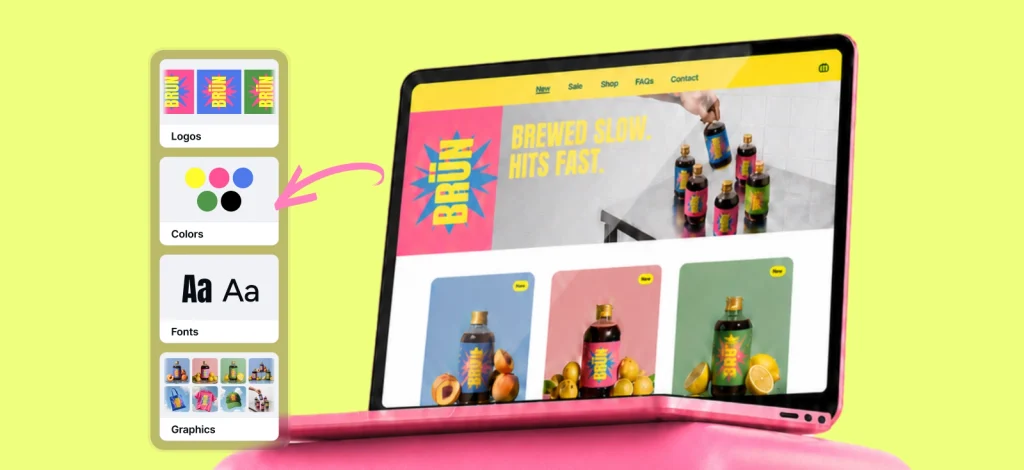
That’s where having a simple brand kit matters. Instead of redesigning from scratch every time, tools like Kittl’s Brand Kits let you set your logo, colors, and fonts once — and apply them consistently across everything you create.
2. Assuming good work will speak for itself
This is one of the most common small business mistakes — especially for founders who take pride in quality.
It usually sounds like: “Once people try us, they’ll get it.”Why this becomes a branding problem:
People can’t experience your quality until after they trust you. Branding is what gets them to that point.
If a stranger landed on your site for 10 seconds, could they tell: What you do, who it’s for, or why it’s worth paying attention to? If not, your brand is asking customers to do too much work.
3. Making branding decisions one asset at a time

Each individual piece looks “fine.” The problem is the collection.
This usually shows up when your logo looks decent, your website looks decent, and your socials look decent — but together they don’t feel like the same business.
Why this becomes a branding problem:
Customers don’t experience your logo, website, and socials separately. They experience all of it as one brand — and misalignment reads as uncertainty.
Stop thinking in designs. Start thinking in rules. Even a simple brand system (colors, fonts, layout style) will outperform isolated good-looking assets every time.
Check out how to make a proper brand guideline in our article here.
This is also why templates matter more than people think.
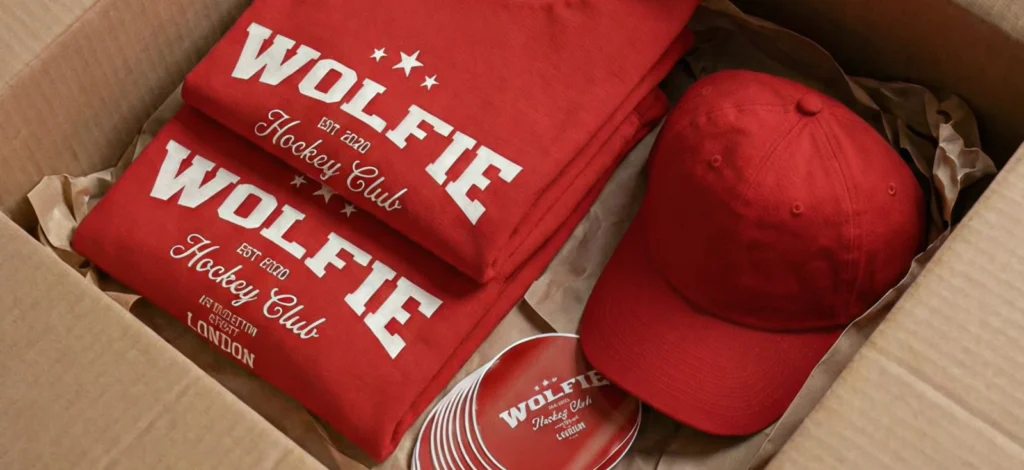
Using customizable templates and mockups — especially ones connected to your brand kit — removes dozens of small decisions that usually lead to inconsistency. It’s how small teams stay on-brand without slowing down.
4. Chasing growth before earning recognition
Posting more. Running ads. Expanding channels. Growth feels urgent, so branding feels optional.
Why this becomes a branding problem:
You increase visibility without increasing memorability. People see you, but don’t recognize you next time.
Before increasing output, lock your visual defaults. Profile image, headline style, colors, layout — if those aren’t consistent, more content won’t help.
5. Letting early branding decisions linger too long

What worked when you started often stays because it’s familiar, not because it’s effective.
Why this becomes a branding problem:
Your business grows, but your brand still signals “early stage.”
Ask yourself once a year: Does this brand still match the level of work I’m doing now? If the answer is no, you don’t need a rebrand — you need refinement.
6. Playing it safe with generic messaging
Vague language feels professional. Specific language feels risky.
Why this becomes a branding problem:
Safe brands don’t repel — but they don’t attract either. They blur into the background.
If your messaging could apply to three competitors, rewrite it. Specificity builds trust faster than polish ever will.
7. Designing based on personal taste instead of customer experience

You like the colors. You like the layout. That’s human.
Why this become a branding problem:
What feels clear to you may feel confusing to someone seeing your brand for the first time.
Experience your brand like a stranger — especially on mobile. If something needs explaining, it’s not doing its job yet.
8. Adding complexity to look more established
More elements can feel like progress.
Why this become a branding problem:
Complexity reduces recognition. Simple brands scale better because they’re easier to remember.
Before adding anything new, ask: Does this make my brand clearer or just busier? If it’s the second, cut it.
Why branding mistakes are harder to spot than business mistakes
If you overspend, you see it in your bank account.
If you miss a deadline, you feel it immediately.
Branding mistakes are different.
They show up as:
- Lower conversion rates
- Fewer repeat customers
- “Almost” sales that never happen
That’s why branding mistakes often last longer—and cost more—than operational ones.
How to fix branding mistakes without a big budget
Branding for small business doesn’t require an agency or a massive investment. It requires intention — and tools that make consistency realistic.
Instead of hiring designers for every new asset, many small businesses rely on brand kits and templates to stay cohesive as they grow. That’s exactly the gap tools like Kittl are designed to fill.
Start here:
- Audit every place your brand appears
- Remove visual clutter before adding anything new
- Create a simple brand system you can reuse
- Use templates to stay consistent as you grow
Consistency beats creativity when trust is the goal.
Avoiding common small business mistakes starts with clarity
Most branding mistakes don’t come from lack of taste — they come from lack of systems. That’s why modern branding tools focus less on one-off designs and more on repeatability.
When your brand is clear, consistent, and intentional:
- Marketing works better
- Customers trust faster
- Growth feels less forced
Fixing branding mistakes won’t solve every problem — but it removes friction from every part of your business.
And for small businesses, that difference compounds faster than anything else.

Shafira is a content writer who turns boring business talk into reads people actually enjoy. She grew up hoarding $1 novels in Singapore and writing hilariously bad fiction, but now she tackles content marketing with all that creative chaos since 2019. From blogs and newsletters to UX and SEO, she writes how she thinks: nerdy, honest, and a bit offbeat. She believes the best content is human-designed, not just plain text.