Everyone knows what graphic design looks like.
Few people understand what it does.
That’s because good design disappears. It feels natural, inevitable — like the layout, font, or logo couldn’t have been any other way. But behind every clean poster or perfect social post is a designer who spent hours balancing purpose with aesthetics, grids with guts, meaning with motion.
If you’ve ever looked at a design and thought, “Why does this work?”, that’s exactly what this article is about.
This article will tackle what is graphic design, how it works, and why it matters, this guide breaks it down — from its purpose and principles to the tools, skills, and types of work that define modern design.
What exactly is graphic design?

The clean definition is simple: graphic design is the practice of visually communicating ideas.
But that’s like saying cooking is “applying heat to ingredients.” It’s technically right, but misses everything that makes it worth doing.
Design is how humans process information at a glance. It’s the reason you understand a stop sign before you read it, or why you trust a brand’s logo before you know the company. Designers use typography, color, hierarchy, and space to shape how something feels before you even think about it consciously.
It’s part psychology, part storytelling, part problem-solving.
When you start thinking of design as a system of choices — not decoration — you’re already designing better than half the internet.
Pro Tip
Before you choose a color or font, write one sentence describing what you want people to feel. That single line will make every design decision clearer.
What does a graphic designer do?
Designers make decisions that guide how people interact with the world.
One day that might mean refining a logo for a startup; the next, creating packaging that turns curiosity into purchase. Some design social campaigns, others brand systems.
But here’s what most design beginners misunderstand: designers don’t sit around “making things pretty.” They solve problems visually. A designer might be fixing a readability issue, creating hierarchy so an important message isn’t missed, or crafting a consistent tone across hundreds of touchpoints.
The designer’s real job:
- Translate ideas into clarity.
Designers turn abstract concepts — like “trust,” “youthful,” or “premium” — into visible form. - Simplify communication.
The best designs are invisible translators between the brand and the audience. - Balance creativity and constraint.
Every designer knows the paradox: creativity thrives when there are rules.
Modern tools like Kittl make that process less mechanical. You can design, test, and refine ideas right in the browser. Complete with all kinds of design tools like typography, vectors, mockups but without the usual setup friction.
What skills do designers actually need?
Forget “knowing Photoshop.” Tools come and go.
What never changes are the core muscles of good design.
- Visual judgment. Seeing when something just feels off — and knowing why.
- Typography fluency. Type is more than picking fonts. It’s rhythm, contrast, and restraint.
- Color instinct. Understanding hue, saturation, and the psychology that comes with it.
- Layout logic. Knowing how to guide the eye without forcing it.
- Storytelling. Every visual is a message; the best designers know how to write with imagery.
- Adaptability. Tools evolve, but your ability to learn is your real career insurance.
- Empathy. The ability to design for someone who isn’t you.
Good designers aren’t born — they’re built through repetition, critique, and the occasional heartbreak of seeing a client use Comic Sans.
The 7 types of graphic design
If you think graphic design is just “making things look good,” these categories will change how you see the field. Each type of design solves a specific problem — some visual, some emotional, some functional. Together, they form the backbone of everything you see, buy, and trust.
1. Brand design

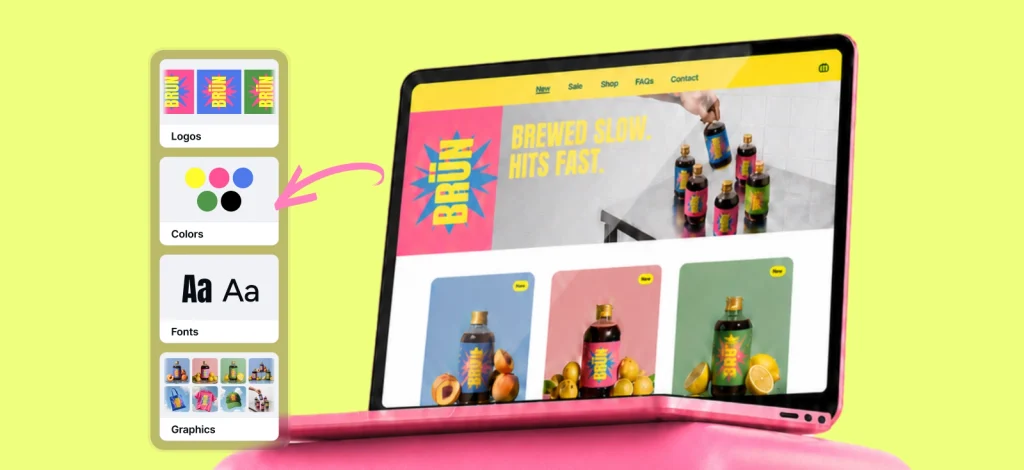
Every brand wants to be recognized instantly and that’s what brand design does. It’s the process of shaping how a company feels through consistent visuals: logos, color palettes, fonts, icons, photography, and layout systems.
A strong brand identity makes people recognize your work even without seeing your name. Think of Nike’s swoosh, Spotify’s green, or even your local coffee shop’s handwritten logo.
Pro Tip
The best brand identities don’t just look consistent; they feel consistent. Before designing a logo, write how you want your brand to sound.
2. Marketing & advertising design
If brand design builds identity, marketing design builds momentum. It’s the kind of design you see everywhere: posters, ads, social graphics, email headers, billboards.
Marketing designers understand speed and psychology. They think about what color stops a scroll, what phrasing converts, and what layout reads best at a glance. A strong marketing design translates strategy into visuals people can understand instantly.
It’s also the type of design where experimentation happens fastest — formats change daily, and trends evolve hourly. Designers in this space rely on tools like Kittl to move quickly, adapting visuals for multiple campaigns or platforms without starting from scratch.
3. Packaging design

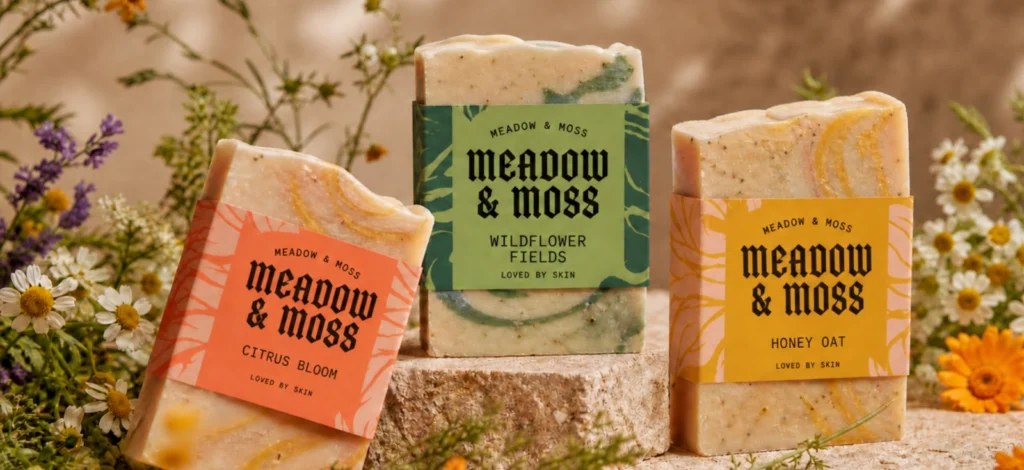
Packaging is where design becomes physical storytelling. It’s the first thing customers touch, the bridge between what a product is and how it feels.
Good packaging balances function (protecting the product) with emotion (making it desirable). It considers shape, texture, materials, and how graphics wrap around a form. A flat design that looks beautiful on screen can fail if it doesn’t work in three dimensions.
Pro Tip
The best packaging design anticipates the moment of unboxing — not just how it looks on the shelf, but how it feels in someone’s hands.
4. Editorial & layout design
Editorial design is where structure meets storytelling. Whether it’s a magazine, brochure, or long-form article like this one — layout design determines how information flows, how the eye travels, and how rhythm is built across pages.
It’s not about decorating text; it’s about directing attention. Designers work with grids, spacing, and typography to make dense information feel effortless. In print, that means balancing readability with aesthetic appeal. In digital, it means designing scannable sections that keep readers scrolling.
Pro Tip
Good editorial design feels invisible — you only notice it when it’s bad. It’s also an area where typography is everything; font pairings, weight contrast, and line spacing all decide how a reader feels about the story.
5. UI design
Every time you open an app, scroll through a website, or tap a button, you’re experiencing UI design. It’s one of the most in-demand branches of design because it combines usability with aesthetics.
A UI designer doesn’t just make things look clean — they make them feel intuitive. Every decision, from button size to icon placement, influences how easily someone navigates an interface.
Pro Tip
The best UI designs feel familiar even the first time you see them — that’s how you know it’s intuitive.
6. Motion graphics
Motion design is the bridge between static visuals and moving stories. It’s used in everything from app animations to film titles and social content.
Unlike traditional animation, motion graphics are focused on communication — transitions, text animations, logo reveals, or visual cues that guide the viewer’s attention. A simple fade, a dynamic wipe, or a micro-interaction can completely shift how an experience feels.
That’s why designers in this field often work closely with sound designers, video editors, and UX teams to make sure motion enhances clarity.
7. Environmental design

This is the design you walk into. Environmental design turns physical spaces into experiences — retail interiors, event branding, signage systems, museum exhibits, murals, and installations.
It’s where graphic design meets architecture and psychology. A wayfinding sign must be readable from ten feet away. A branded booth must convey identity at a glance. A mural must transform how people feel in a space.
It’s also one of the most collaborative areas of design — you work with architects, engineers, and fabricators to make visuals exist in real life.
Pro Tip
Environmental design starts with empathy. You’re not just designing a space — you’re designing how people move, notice, and remember.
Finding your design type
Most designers don’t start knowing their niche. They stumble into it through curiosity.
You might fall in love with how type and layout behave together, or find yourself obsessed with how logos evolve. That’s how specialization starts — with fascination, not a plan.
If you’re still figuring it out, experiment freely. The fundamentals overlap; what you learn in packaging helps with branding, what you practice in editorial sharpens your marketing instincts.
Pro Tip
If you find yourself saving photos of signs, you might be an environmental designer. If you screenshot too many social ads, that’s marketing design calling your name.
The building blocks: Elements and Principles of Design
When a beginner opens a design tool, they often ask, “Where do I even start?” Here’s the answer: start with the building blocks.
The elements (The ingredients)
- Line – Structure. Connection. Direction.
- Shape – Defines form and tone.
- Color – Evokes emotion, hierarchy, and energy.
- Texture – Adds realism or tactility.
- Space – Where the design breathes.
- Form – Dimension, depth, and weight.
- Typography – The voice of the message.
The 12 principles of design (The recipe)

Every strong composition follows certain visual rules. These twelve principles are what keep a design balanced, intentional, and readable.
| Balance Creates stability by distributing visual weight. Balance keeps a layout grounded and calm, whether through symmetry or dynamic tension. | Rhythm Brings flow through controlled variation. It’s the difference between a static design and one that feels alive. | Pattern Uses repetition to build cohesion. Patterns give designs structure and rhythm without overpowering content. |
| Emphasis Draws attention where you want it most. Designers use emphasis to ensure that the viewer’s focus aligns with the message. | Variety Prevents monotony. Introducing slight differences in form, texture, or color keeps designs interesting while preserving balance. | Repetition Reinforces consistency. Repeated use of type, color, or shape creates a recognizable system that strengthens identity. |
| Movement Guides the viewer’s eye across the design. The arrangement of elements determines how someone experiences your work, from entry to exit. | Contrast Defines difference. Contrast brings clarity and makes important information stand out from the rest. | White Space Gives breathing room. Negative space is what defines composition, turning clutter into clarity. |
| Proportion Controls scale relationships between elements. When proportions feel right, the design feels harmonious. When they don’t, the viewer notices instantly. | Hierarchy Organizes information by importance. It gives structure to text and visuals so the viewer can absorb content naturally. | Unity Makes the entire piece feel cohesive. Every decision — type, color, layout — should feel like part of the same language. |
The beauty of tools like Kittl is you can feel these principles at work in real time. Snap alignments, grids, and instant resizing train your designer’s eye naturally.
Pro Tip
When you’re unsure if your layout feels right, step back. If your eye moves smoothly from one element to the next without confusion, the principles are working.
Finding your design type
Most designers don’t start knowing their niche. They stumble into it through curiosity.
You might fall in love with how type and layout behave together, or find yourself obsessed with how logos evolve. That’s how specialization starts — with fascination, not a plan.
Modern tools (and the freedom they give you)
We used to need expensive software, steep learning curves, and hardware that sounded like it might take off mid-export. Now? Anyone with a browser and curiosity can design like a pro.
Platforms like Kittl give you professional-grade tools with zero friction. You can experiment, collaborate, build mockups, tweak fonts, or test color systems — all live, all visual.
It’s design without permission — and that’s what makes this era exciting.
Because real creativity doesn’t come from the tool. It comes from the person who knows what they’re trying to say.
Can AI replace graphic design?
AI can generate layouts and suggest ideas, but it can’t replace the designer’s eye. It lacks judgment — the sense of when to hold back, when to break a rule, when something feels right.
AI is powerful for speed and inspiration, but it still needs a human at the helm to make meaning out of it. The future of design isn’t about man versus machine; it’s about designers who know how to use tools intelligently without losing their creative voice.
So, what is graphic design really about?
Graphic design is more than visuals. It’s a way of thinking — of turning ideas into something people can see, understand, and connect with.
Whether you’re designing your first logo or reimagining a brand system, the process is the same: observe, simplify, and communicate clearly.
Tools evolve. Platforms shift. But good design remains human — built on curiosity, intention, and care.
If there’s one thing to remember, it’s this: design isn’t about making things look good. It’s about making things make sense.
If you want to learn design, start by noticing it. Then start making it.
Now, go make something great.

Shafira is a content writer who turns boring business talk into reads people actually enjoy. She grew up hoarding $1 novels in Singapore and writing hilariously bad fiction, but now she tackles content marketing with all that creative chaos since 2019. From blogs and newsletters to UX and SEO, she writes how she thinks: nerdy, honest, and a bit offbeat. She believes the best content is human-designed, not just plain text.