
Japanese design carries centuries of visual tradition leaning heavily into storytelling, symbolism, and emotional expressiveness. On perhaps the opposite side of the spectrum sits traditional German design. The two styles contrast sharply, yet stylistic elements from both have fused into a style that’s bold, unexpected, and symbolizes the blend of two cultures.
This is the Japanese-German design style. This article will dive into where the style came from, key characteristics of it, and how you can recreate it.
Plus, we’ll share a link to a curated Japanese-German design bundle that you can access for free for your own Japanese-German design projects.
Japanese art & design
Core characteristics: Expressive, symbolic, playful
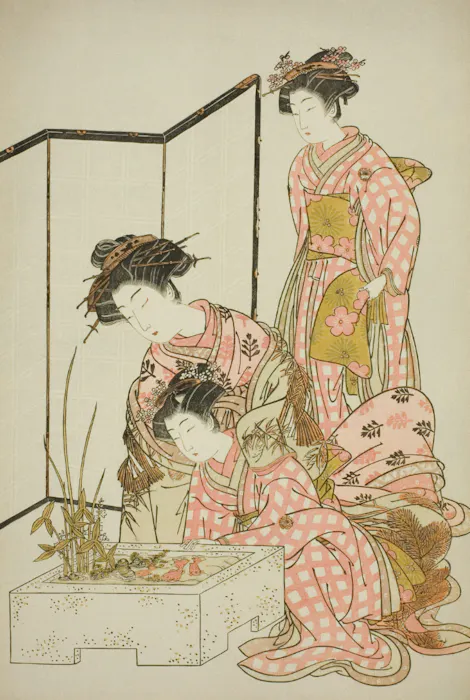
From the deli of ukiyo-e woodblock prints and paintings to the contemporary charm of kawaii culture, Japanese visuals lean heavily into storytelling, symbolism, and emotional expressiveness.
Key influences of Japanese design:
- Ukiyo-e: A genre of Japanese art popularized from the 17th through 19th centuries. It brought bold lines, flat colors, and dramatic compositions.
- Shinto & Zen Buddhism: Shinto, a Japanese religion and Zen, a sector of Buddhism introduced minimalism and nature-centric design.
- Kawaii culture: Kawaii is a Japanese word meaning cute or adorable. But Kawaii represents an entire cultural phenomenon that emerged in the 1970s-80s. It popularized friendly, cartoon-like design elements, influencing everything from packaging to editorial illustration.

German art & design
Core characteristics: Minimalist, rational, form-follows-function
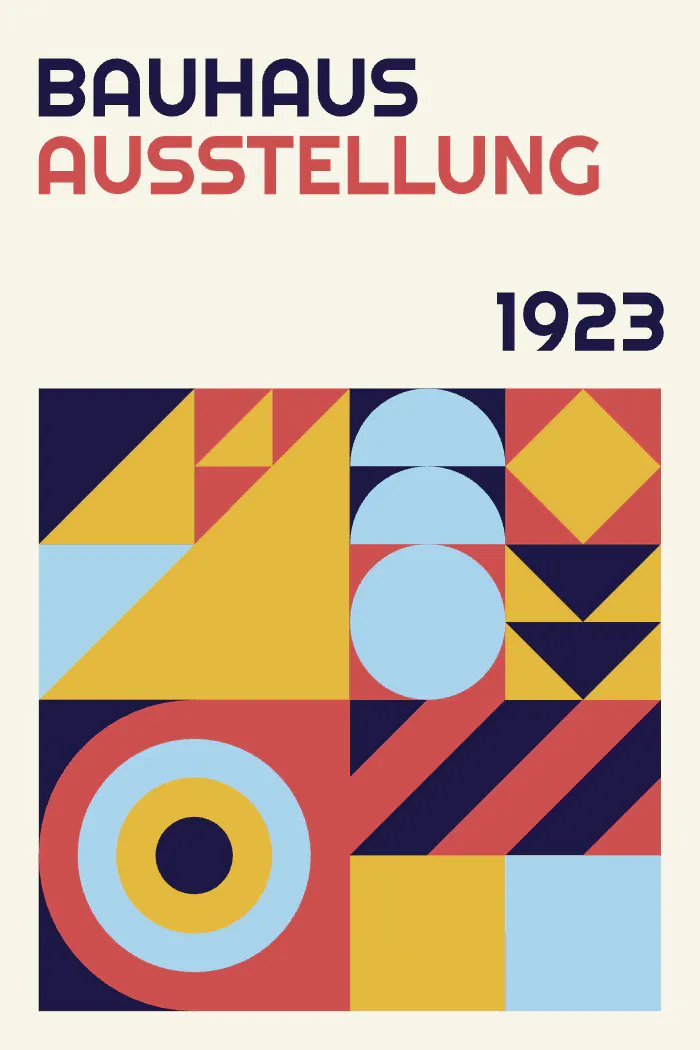
Germany’s design reputation is built on precision. Rooted in the Bauhaus movement and guided by “form follows function,” German design tends to lean rational, grid-based, and minimalist. Think clean typography, logical layouts, and simple color schemes.
Key influences of the German design style include:
- Bauhaus movement: Founded in 1919, the Bauhaus school revolutionized art and design thinking. It rejected ornamentation and embraced simplicity, utility, and geometric order. “Form follows function” became a core mantra. Learn more about Bauhaus art in graphic design.
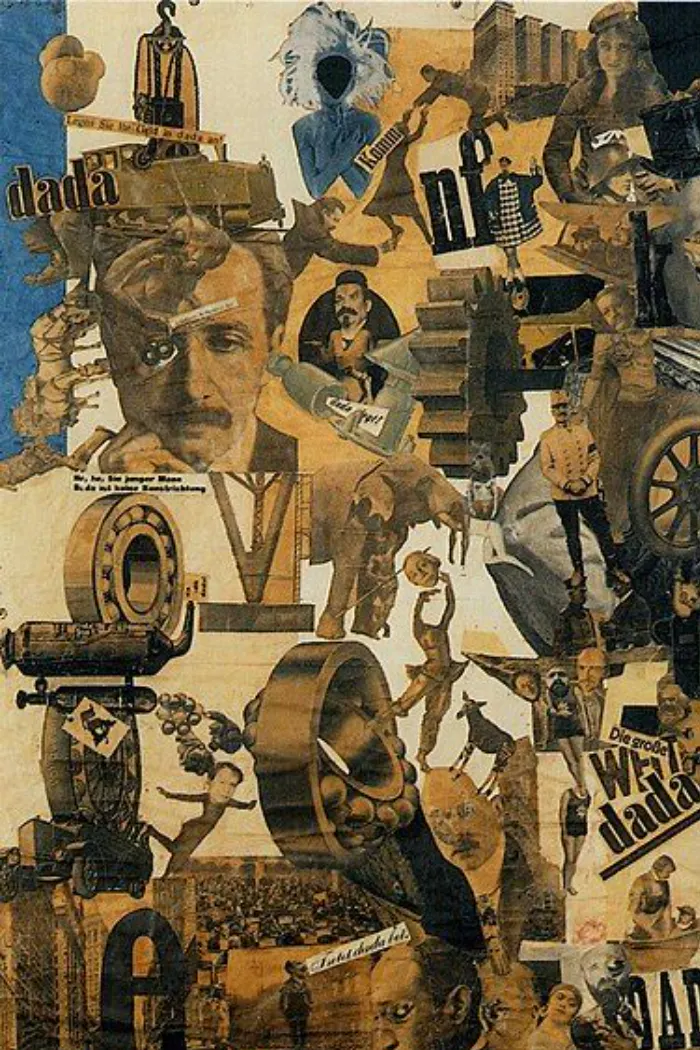
- Dadaism: Born in Zurich during World War I, Dada art was a radical art movement characterized by its rejection of traditional artistic conventions. It embraces playful nonsense, collage, satire, and experimental layouts.
- Swiss style: This design language significantly influenced German graphic design, especially in its clean, grid-based layouts and sans-serif typography. Clarity and readability are essential elements of the Swiss design style. Learn more about Swiss style poster design.
Use Template

Use Template
The merge: Japanese playfulness meets German structure
When the two design philosophies meet, were met with bold, unexpected and beautifully unique compositions. Japanese design softens German rigidity while German structure organizes Japanese expressiveness.
So how did Japanese style land in Germany? Much of it comes through migration and cultural exchange.
With Japanese businesses expanding into Germany since the post-war era, families, designers, and artists who moved into the country brought their culture, creativity, and style with them.
Events like Dezain Crush 2025 puts this into focus, celebrating bold ideas, cross-cultural collaboration, and the power design has to connect worlds.
Key characteristics of Japanese-German design
Here’s what defines the Japanese-German hybrid style:
- Playful structure: German grids meet joyful, colorful Japanese illustrations.
- Minimal meets expressive: Balanced whitespace paired with character-driven typography or illustration.
- Cultural symbolism: Icons, mascots, or characters with deep visual storytelling sit inside clean, modern layouts.
- Typography-forward: Strong use of type, sometimes integrating both German and Japanese characters. You can find both German style and Japanese style free fonts in Kittl.
The overall result is structured, clean designs with added personality and playfulness.
Tips for creating in the Japanese-German style
Want to design in the Japanese-German style but not sure where to start? Here are a few tips:
- Start with structure: Set a grid. Build a strong, clean layout as your base.
- Layer in character: Use illustrations or characters to inject personality and emotional appeal.
- Choose type wisely: Consider using sharp, readable fonts (a German trait) but feel free to pair them with expressive lettering or hand-drawn elements (a Japanese trait).
- Think contextually: What story or symbolism can you bring in? Japanese design often has deeper cultural narratives behind simple visuals.
To support you with Japanese-German design inspiration, we’ve curated the bundle below specifically for the Dezain Crush Design Challenge. Access the design bundle to check out the free assets available! For the challenge, you’re free to use the assets in the bundle, or go wild and create something entirely original.


Key takeaways
Japanese-German design blends the defining elements of each style into one unique composition.
Japanese design adds emotion, symbolism, and a playful spirit. German design brings structure, clarity, and purpose. When they meet, were met with designs that are clean but full of character, thoughtful yet bold.
Sign up for the Dezain Crush Kittl Challenge and start creating your own take on this unique style in Kittl. It’s a chance to have fun, push your creativity, and show off what you can do.