
Kawaii design is without a doubt one of the cutest design styles to exist. The word Kawaii is the Japanese word for “cute” or “adorable” but it goes beyond that. It embodies an entire cultural movement, aesthetic, and style that’s built on the concept of what’s cute.
From Hello Kitty lunchboxes to anime television shows, to entire shops dedicated to cute stationary, erasers, and plushies, Kawaii has evolved into a global phenomenon. And it’s no longer just one singular style — there are multiple sub-genres of the Kawaii style.
We’re going to explain (and show) five of the most popular Kawaii sub-genres in this article.
But what actually makes something Kawaii? Before getting into sub-genres, we’ll explain the five core characteristics of Kawaii design.
And of course, we’ll show visual examples and link you to where you can find graphics, templates, and more to create your own Kawaii design.
What is Kawaii style design?
In Japanese, Kawaii literally translates to “cute.” But like we share above, it’s much more than a word. Kawaii is an entire design language and cultural movement, embodying cuteness in physical form — fashion, objects, art, and more.
Kawaii first gained momentum in Japan during the 1970s and 80s with the rise of Sanrio characters like Hello Kitty, Keroppi, and My Melody. At the time, Japan was modernizing quickly. So Kawaii filled an empty space where fun, friendly, and playful was missing, softening the edges of an increasingly industrialized world.
Everyday objects — stationery, clothing, even food packaging — were transformed to include cute characters and playful visuals. They essentially acted as little mood boosters, allowing people to feel a bit of joy from a design on their notebook and pen or soda can.
And it wasn’t just for kids. Kawaii quickly spread into public campaigns, mascots, and even corporate branding. The idea was simple: a cute character helps create an emotional connection and builds positive associations with the brand.
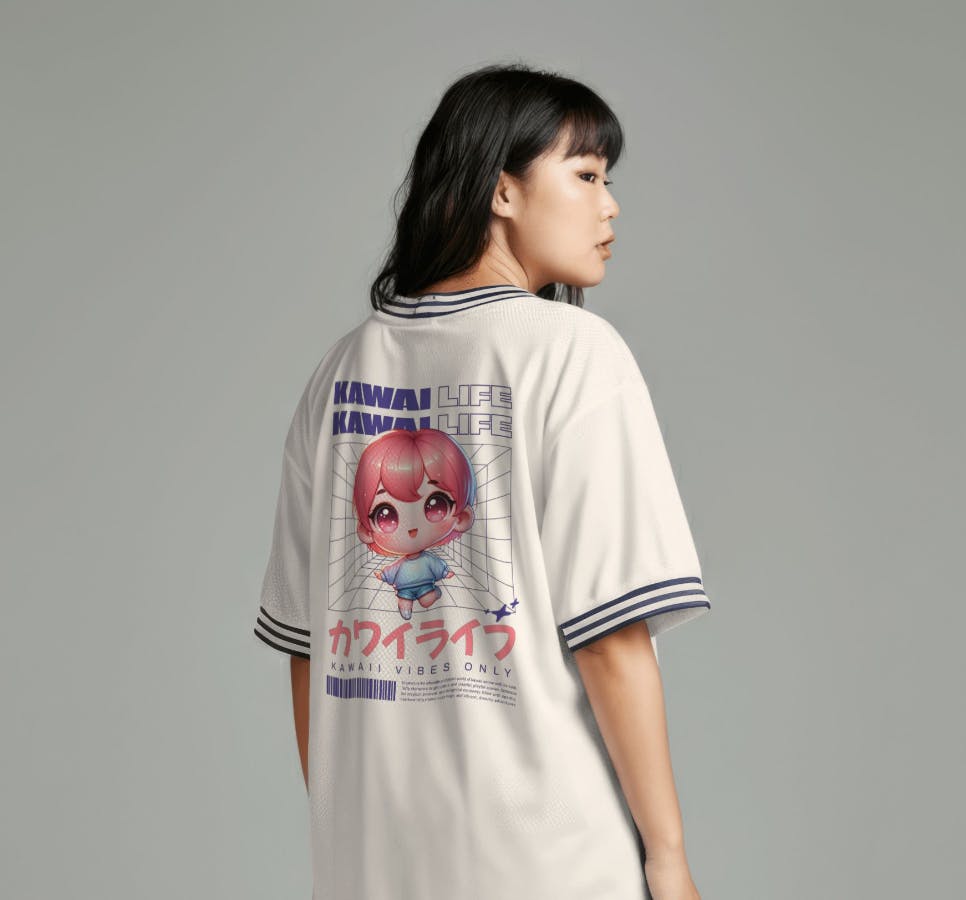
The 5 core elements of Kawaii
While Kawaii is a cultural movement that spans from fashion to television and objects, there are core traits that make Kawaii graphic design. Here are five of the main traits that designers rely on that make this style instantly recognizable:
1. Roundness and softness
Shapes are simplified and rounded, giving them a safe, approachable feel. Psychologically, humans naturally associate curves with friendliness and warmth.
2. Minimal facial features
Kawaii characters often have two dot-like eyes and a tiny mouth. They’re simple but extremely expressive because of exaggerated proportions. You’ll notice a theme of oversized heads, large eyes, and compact bodies.
With the sub-genres of Kawaii design, you’ll see this varies. But for the most part, traditional Kawaii look sticks to this general look.
3. Pastel color palettes
Soft pinks, sky blues, mint greens, and buttery yellows dominate the classic Kawaii look. But subgenres expand into neon tones for bolder, more energetic variations.
So in terms of color, you’ll notice specific palettes are frequently used. But you can learn more about this below as we dive into the most popular Kawaii sub-genres.
4. Whimsical typography
Rounded, bubbly fonts carry the same warmth and fun as the illustrations. They often resemble balloons or handwriting, but there’s no strict rule here. As long as it’s fun and playful, it fits the bill. Other options could be pixel fonts or retro fonts like you can find in our retro fonts list.
Another trait of Kawaii typography is the incorporation of hearts, sparkles, or smiley faces. These add some extra charm. If there was ever a time to dot your eyes with a heart, it’s with Kawaii graphic design.
5. Humanizing everyday objects
Anything can become a character: ice cream cones, sushi rolls, figurines, even household items. Giving inanimate objects faces is one of Kawaii’s most endearing qualities.
See how all five of these traits appear in the Kawaii-style images below — these are all free templates you can use in Kittl. And they’re all easily customizable so you can make them your own. Select any of them to open the template in a new design project!

Darumyaw Kawaii Template.
Use Template

Kawaii Ice Cream Template.
Use Template

Lucky Cat Kawaii Template.
Use Template
Sub-genres of Kawaii design
Kawaii has tons of sub-genres that all have their own unique aesthetic.
Most keep that bright, cheerful energy while others lean more gothic and dark while retaining that cutesy look.
The sub-genres bridge other design styles together like Anime or Manga — which are still rooted in Japanese culture but generally much sharper and deeper in color. But when paired with bubbled lettering or when an anime character is transformed into a chibi-style character, you instantly get that Kawaii feel. `
These categories give designers creative flexibility. The distinction between each of the styles offers a way to adapt “cute” to different moods, industries, and audiences.
Here’s a breakdown of five of the most popular Kawaii styles:
1. Pop Kawaii
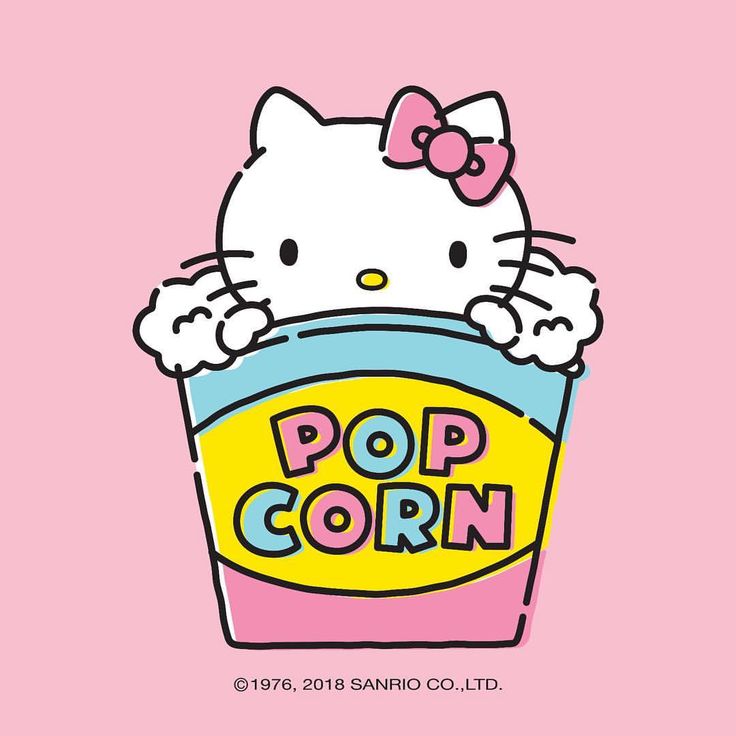
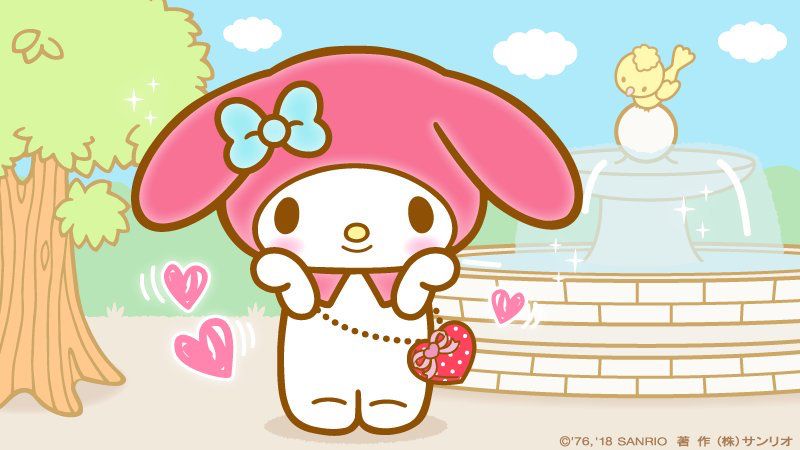
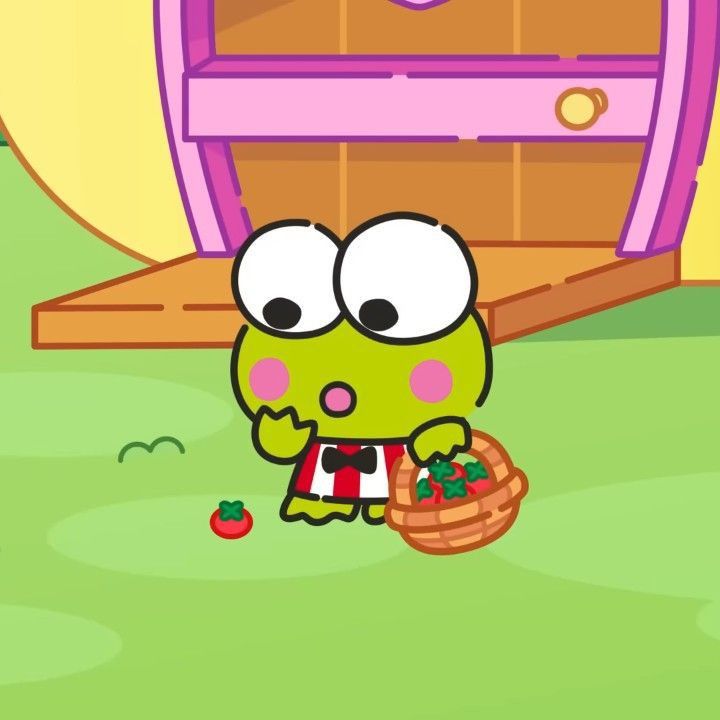
This is what most people imagine when they hear the word Kawaii. Popularized by Sanrio icons like Hello Kitty, My Melody, and Keroppi, Pop Kawaii is bold, bright, and designed for mass appeal.
The characters are highly approachable. They feature your basic round, simplified, and expressive traits. And the colors are vibrant without being overwhelming.
The tone is energetic, playful, and instantly recognizable.
Pop Kawaii is bold, bright, and designed for mass appeal. It also laid the foundation for all the other sub-genres that followed. You can see some examples in the images below:
2. Pastel Kawaii
Pastel Kawaii takes the same core principles of Pop Kawaii but softens everything: the colors, the shapes, even the characters themselves. Baby pinks, mint greens, sky blues, and buttery yellows dominate the palette.
The characters are often calmer and more relaxed, embodying warmth and friendliness rather than bubbly energy. Think Rilakkuma, Sumikko Gurashi, or Mochi Mochi Panda.
Pastel Kawaii has become especially popular in lifestyle products, stationery, and online creator branding, where the goal is to create a dreamy, welcoming vibe. It’s less about loud cuteness and more about a soft, comforting atmosphere.
See it in action
Below are examples of Pastel Kawaii packaging that highlight the use of soft colors and delicate character design.
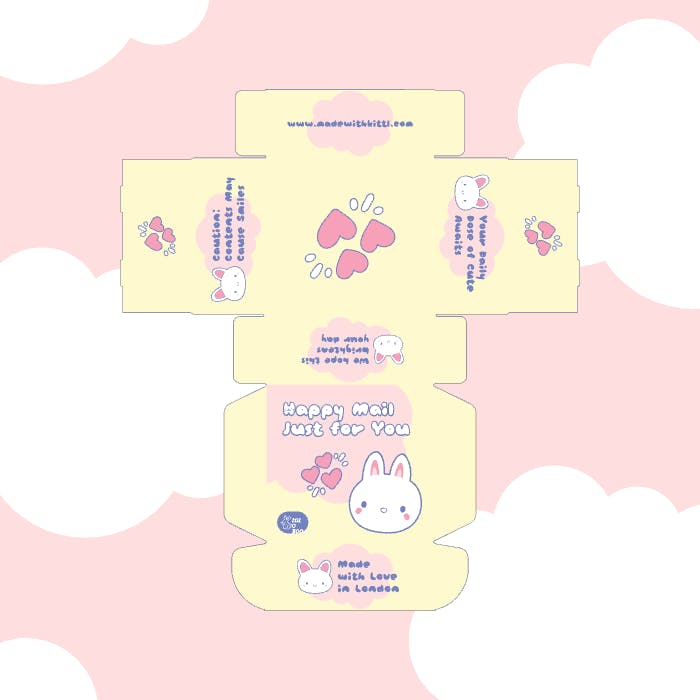
Kawaii Bunny – POD Mailer Box Design.
Use Template
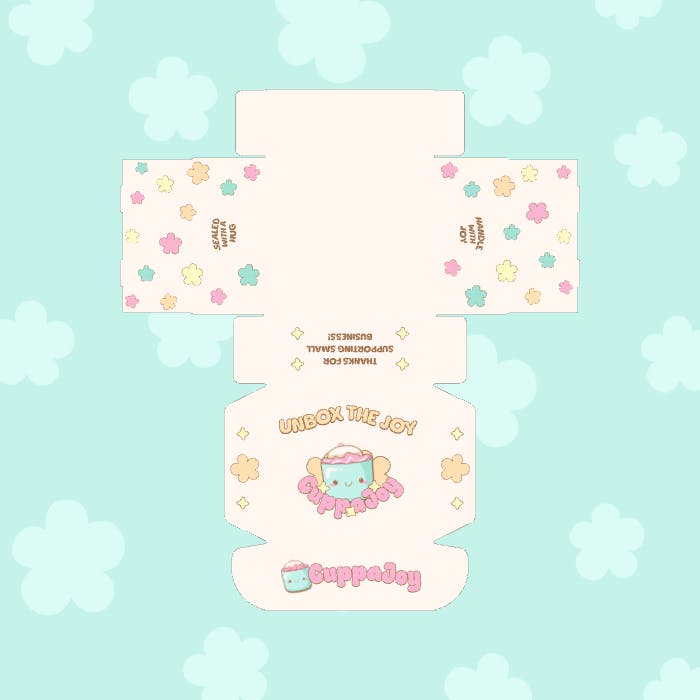
CuppaJoy – POD Box Packaging – Kawaii Playful.
Use Template
Use soft pastel colors in combination of simple lines and graphics to convey the perfect Pastel Kawaii essence.
3. Yume Kawaii
“Yume” translates to “dream,” and that’s exactly what this sub-genre delivers. Yume Kawaii takes the pastel base and pushes it into a more ethereal, fantasy-inspired direction.
Expect muted lavenders, bubblegum pinks, and floating icons like stars, moons, hearts, and clouds. It feels whimsical, girly, and almost surreal. It sits somewhere between vaporwave and anime.
The vibe is soft but otherworldly. It blends nostalgia with fantasy, keeping the lighthearted look but making it otherworldly.
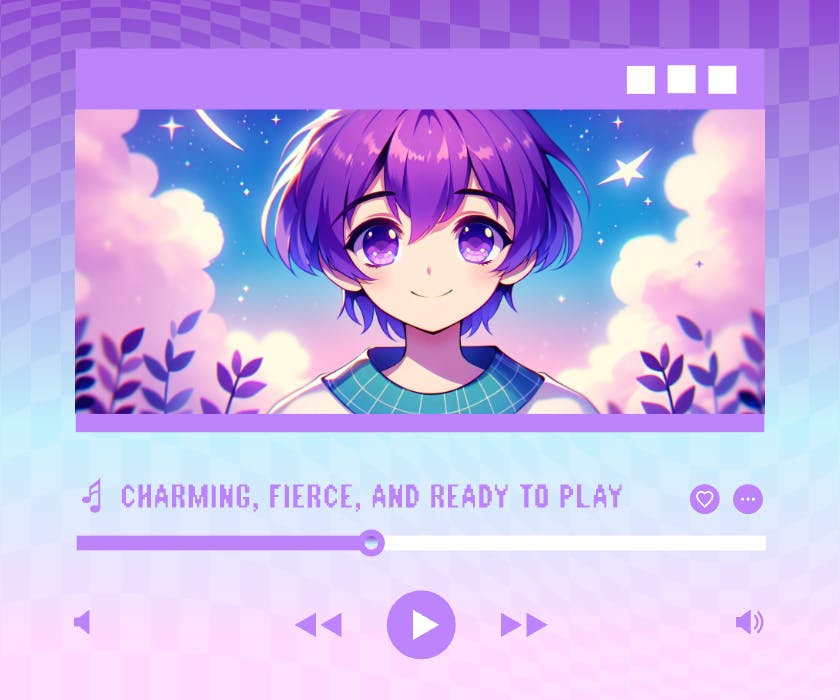
Pop Kawaii Mouse Pads Template. Use Template
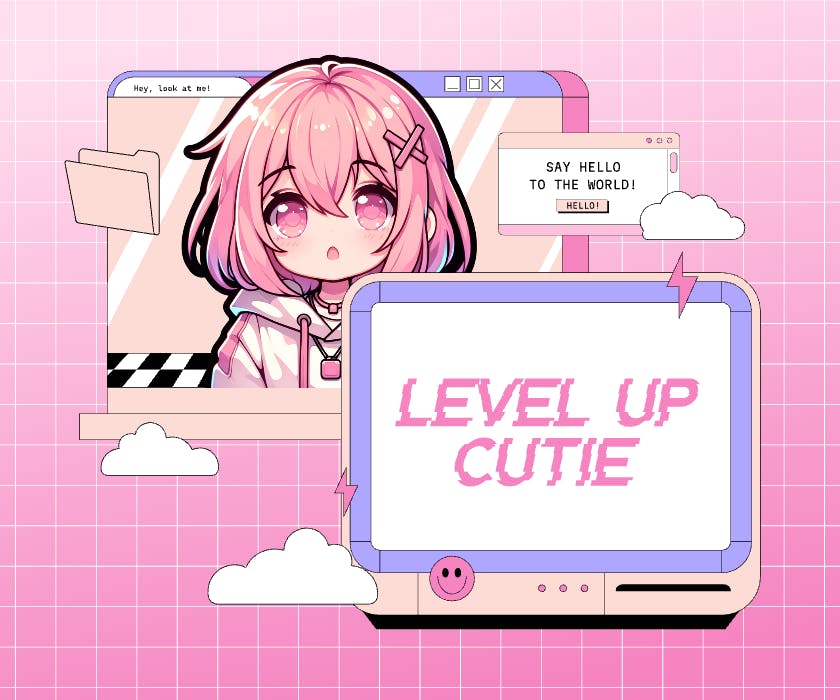
Pop Kawaii Anime Mouse Pads. Use Template
4. Decora Kawaii
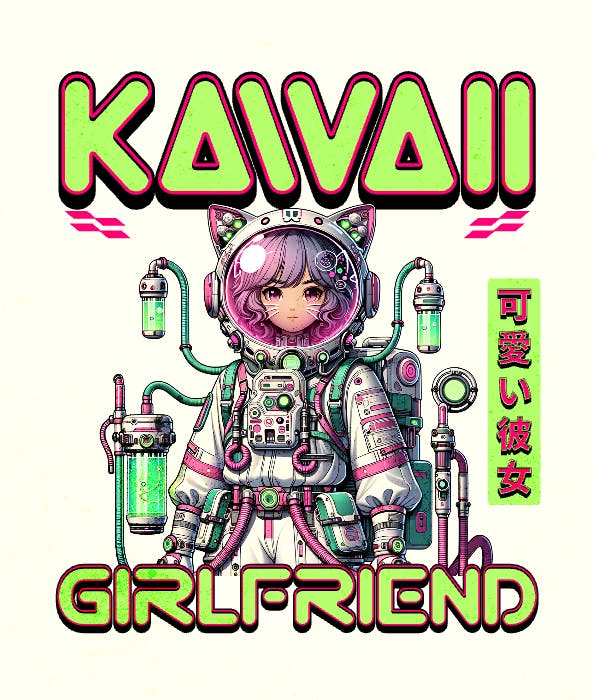
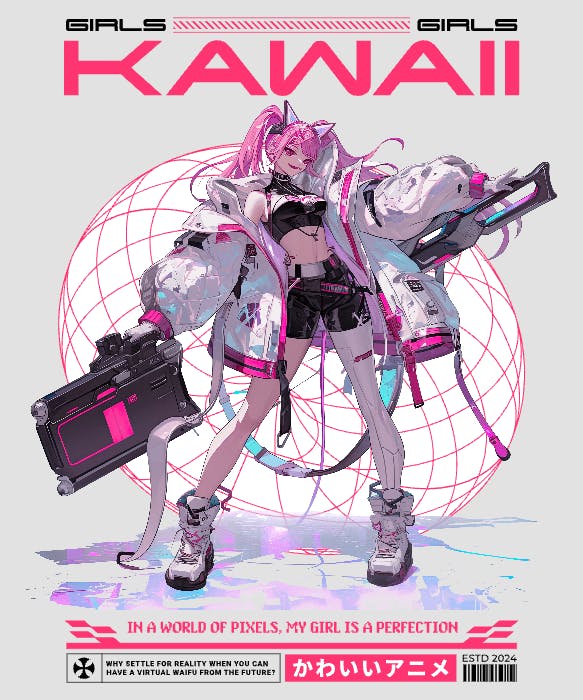
Decora Kawaii breaks away from the round, childlike proportions of Pop Kawaii and instead leans into near-realistic anime proportions. It’s heavily influenced by Japanese street fashion, especially the Harajuku “Decora” movement, which is known for layering dozens of colorful accessories into one look.
In design, this translates to maximalism: bright neons, metallic tones, high-contrast color palettes, and an overwhelming amount of detail. It’s bold, loud, and expressive. It’s where Kawaii collides with the fashion world.
Decora Kawaii stands out as a reminder that “cute” doesn’t have to mean “subtle.”
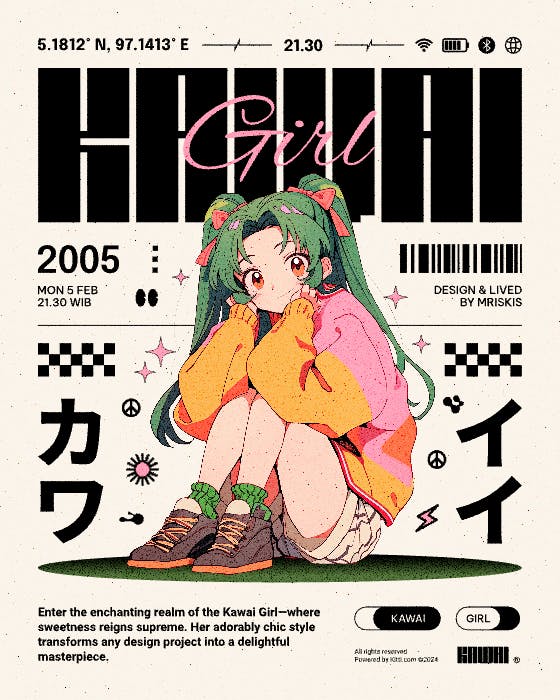
Decora kawaii #1 templates.
Use Template
Decora kawaii #2 templates.
Use Template
Decora kawaii #3 templates
Use Template
5. Tech Kawaii
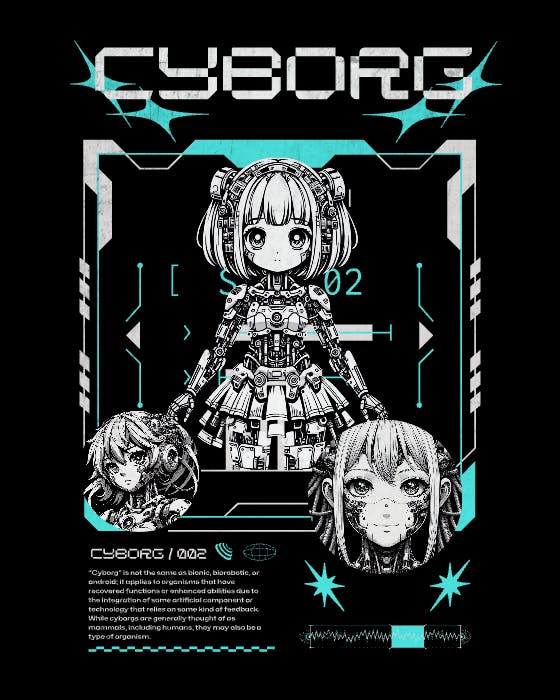
The newest branch of the style, Tech Kawaii blends futuristic aesthetics with the classic cuteness of Kawaii. It often incorporates cyborg characters, mechanical elements, sharper typography, and neon color schemes.
This style is where Kawaii meets sci-fi. Imagine bubbly-eyed robots, digital mascots, or pastel-colored cyborgs. Typography often takes on a more angular edge while still staying playful, striking a balance between softness and technology.

Tech kawaii #1 Design. Use Template
Tech kawaii #2 Design. Use Template
What can you take away from Kawaii design?
Part of Kawaii’s staying power comes from nostalgia. Millennials who grew up with Pokémon, Tamagotchis, or Hello Kitty merchandise still love these things… but are now adults with buying power. Anything from stationary, magnets, or apparel with these characters on them can help capture that childhood nostalgia.
But nostalgia isn’t the whole story. The cuteness of Kawaii still has the power to add a bit of joy to everyday life. Its playfulness and optimism make a welcome addition to any stressful day.
For brands, this makes Kawaii an attractive style to tap into: it’s playful, approachable, and emotionally engaging.
Whether you’re designing stickers for your Etsy shop, packaging for a new product, or an entire brand identity, the Kawaii style offers a wide range of fun, creative directions.
The most important thing to remember is it’s not just about cute faces — it’s about emotional resonance.
With Kawaii design, you can craft experiences that feel joyful and human. So if it aligns with your brand personality, experiment with incorporating levels of Kawaii graphic design into your branding — from social media posts and flyer designs, to label designs and maybe even your logo design.
If you’re creating POD products, Kawaii design is the perfect style to master. The versatility of it means that the potential for what you can create is nearly limitless.
Design in the Kawaii design style with customizable templates
Take a look at the Kawaii design templates below — these feature Kawaii sticker designs you can access in Kittl and even customize so they’re one-of-a-kind.
You can find these sticker templates plus so many more and an entire library of Kawaii-style templates in Kittl.
Most will be free to use with just a free account — all you need is an email to sign up.
With these templates, plus the blueprint to Kawaii graphic design shared above breaking down the five core characteristics of Kawaii graphic design, you can easily create your own designs — whether for a POD store or simply to expand your graphic design portfolio and graphic design skills.
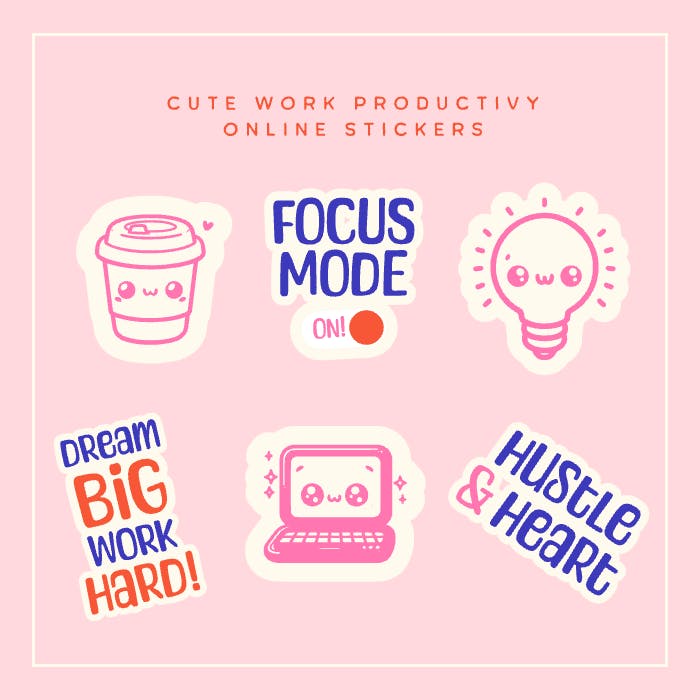
Cute Work Productivity Stickers. Use Template
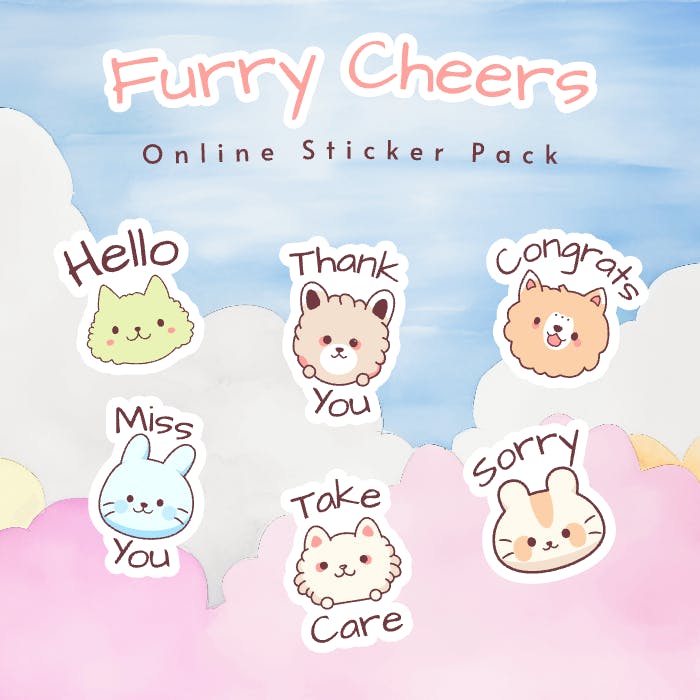
Cute Greetings Sticker Pack.
Use Template