
We all know that font selection is critical, having the power to make or break a design. And we’re all about fonts here at Kittl. It’s in our DNA. Although no font is inherently “bad”, there are some that are a struggle to work with or simply overused — they’re just the worst fonts you could choose.
This post is dedicated to those fonts. The worst fonts that sour pitch decks, spoil resumes, and maybe make your creative blood boil.
Read on and learn which fonts are the most hated by designers so you know which ones to avoid for your next design projects.
What are bad fonts?
Whether a font is good or bad is subjective; there are essentially three reasons why a font could be considered bad. And this can be boiled down to how it’s used. Let’s break down the three factors that make a font the worst font that ever existed:
- Misuse: A bad font is one that is misaligned with the intended context or visual style of a design. It could be misaligned with a brands image, design themes, or a designs overall style to the point that it noticeably stands out in a bad way.
- Overuse: A font might be considered bad if its overused, making your designs appear unoriginal and uninspired.
- Legibility: In another sense, bad fonts are hard to read. And along those same lines, a font can considered bad if its not accessible to the visually impaired. For example, if typography is too ornamental.
What makes a good font?
Since people tend to skim rather than read closely — whether it’s a website, sign, or social post — choosing legible fonts is essential. But legibility isn’t enough.
Your typography also needs to catch the eye and invite readers to keep going. The right font draws people in and holds their attention. The wrong one can turn them away before they even finish a sentence.
Choose fonts that do both and avoid the ones that fall short.
10 of the worst fonts according to designers
Here are 10 of the worst fonts according to designers:
1. Montserrat
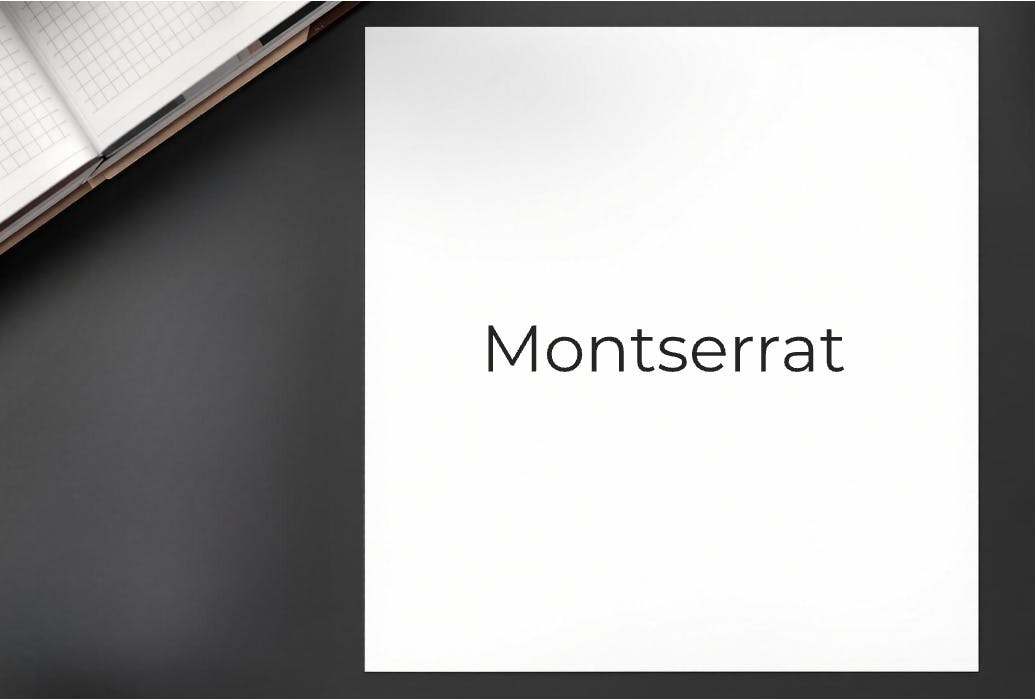
This one’s a personal pick despised by Duda.
Montserrat isn‘t objectively terrible its clean, geometric, and popular in web design. But that’s kind of the problem. Its everywhere.
And when every brand uses it without thought, it just ends up feeling stale and uninspired. Sometimes its not the fonts fault its how it gets misused or overapplied.
2. Papyrus
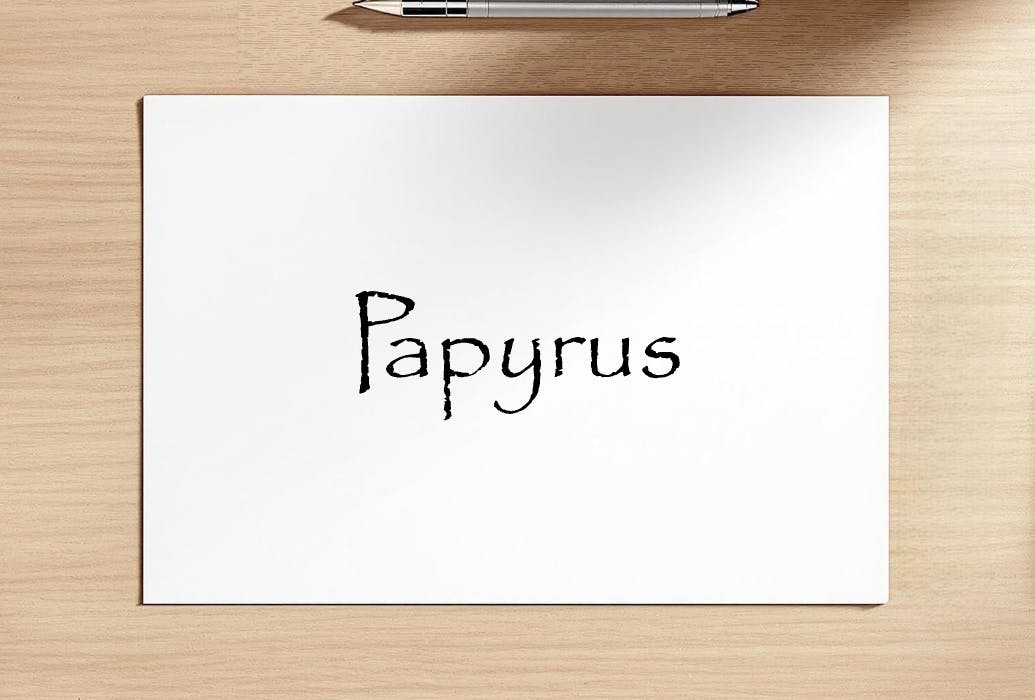
SNL made an entire sketch about Papyrus poking fun at its controversial use as the title font for the Avatar films, roasting it as a font for hookah bars, Shakira merch, off-brand tees.
It’s commonly misused, and our internal designers aren’t fans. The Reddit design community agrees: Papyrus comes up constantly in “worst fonts” threads. It’s hard to take seriously and almost impossible to make feel modern.
3. Comic Sans
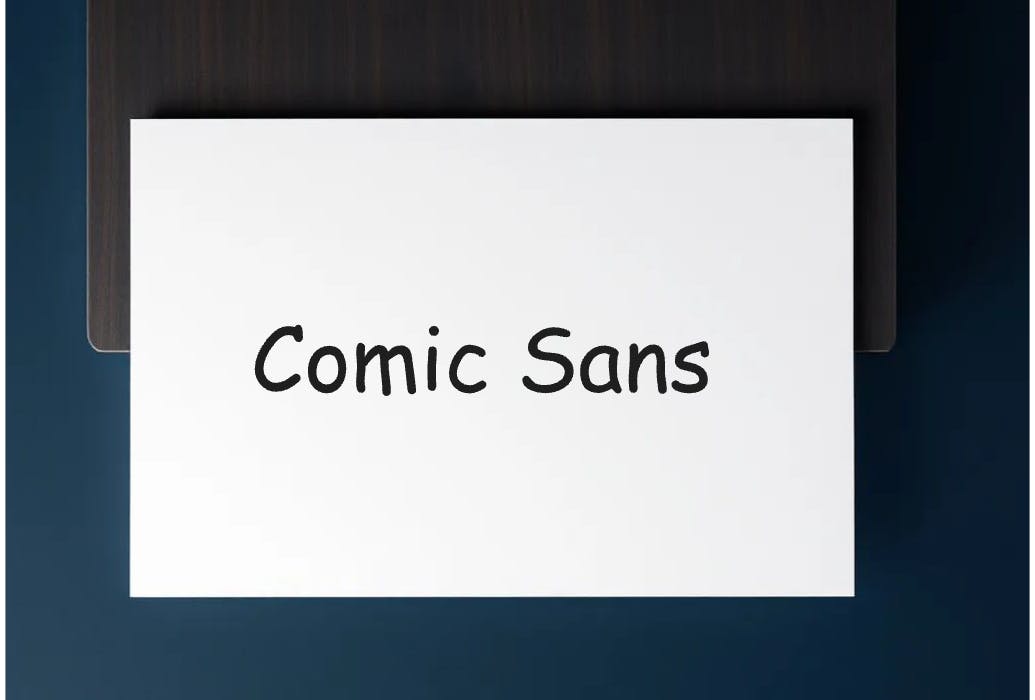
The appearance of Comic Sans on this list shouldn’t be any surprise. Its in every worst font conversation, and there are essentially two reasons why people hate Comic Sans.
First, there’s the tone. Comic Sans is intentionally casual but still lacks the structure needed for most design work, and often reads more like a placeholder than a purposeful typographic choice.
Second, there’s the overuse and misuse. Comic Sans became popular largely because it was accessible and different from default system fonts. But its rarely used strategically, and more often than not, it clashes with the context it appears in. Maybe its not a matter of using it well, but whether it can ever be used well.

In fact, the typographer, Vincent Connare, designed Comic Sans for some of the first Microsoft home computers and one specific use: the speech bubbles of the animated Microsoft cartoon dog.
It was meant as a playful alternative to Times New Roman, inspired by comic book type and designed to look handwritten it was never intended for widespread use. In a talk with Live Science, Connare shares:
4. Times New Roman
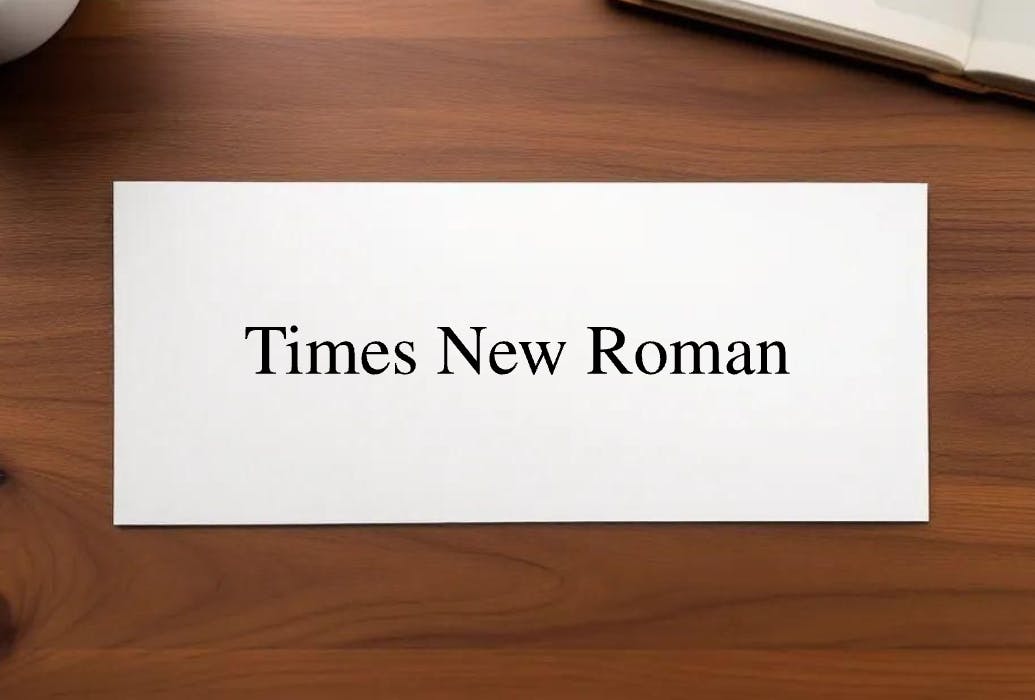
Another Microsoft default that’s been etched into our brains from school papers, resumes, and documents.
Times New Roman isnt necessarily bad in fact, it’s pretty iconic. It just already has heavy associations with academia and formal documents engrained in the minds of most audiences.
It’s functional, but uninspiring, making it a weird fit for most creative work.
5. Trebuchet
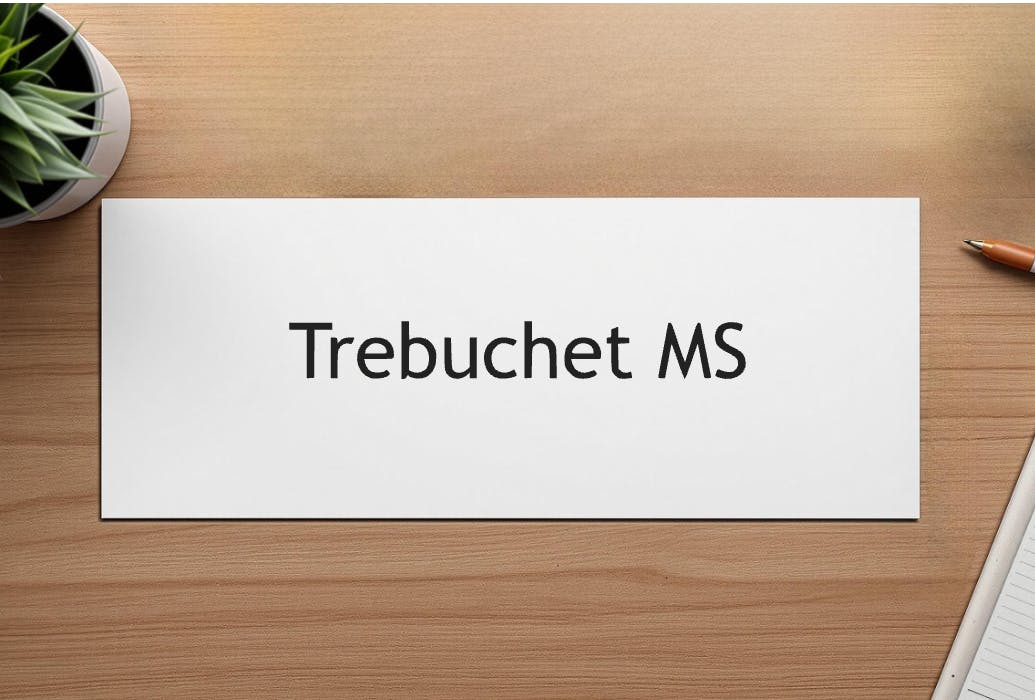
Along those same lines, we have another Microsoft font, Trebuchet, designed by Vincent Connare for use on screens. It was released in 1996 as part of Microsoft’s Core fonts for the Web package, with intentions to be both legible and visually appealing.
But it still carries email energy, making it seem more like a temporary stand-in than a strategic design choice.
6. Verdana
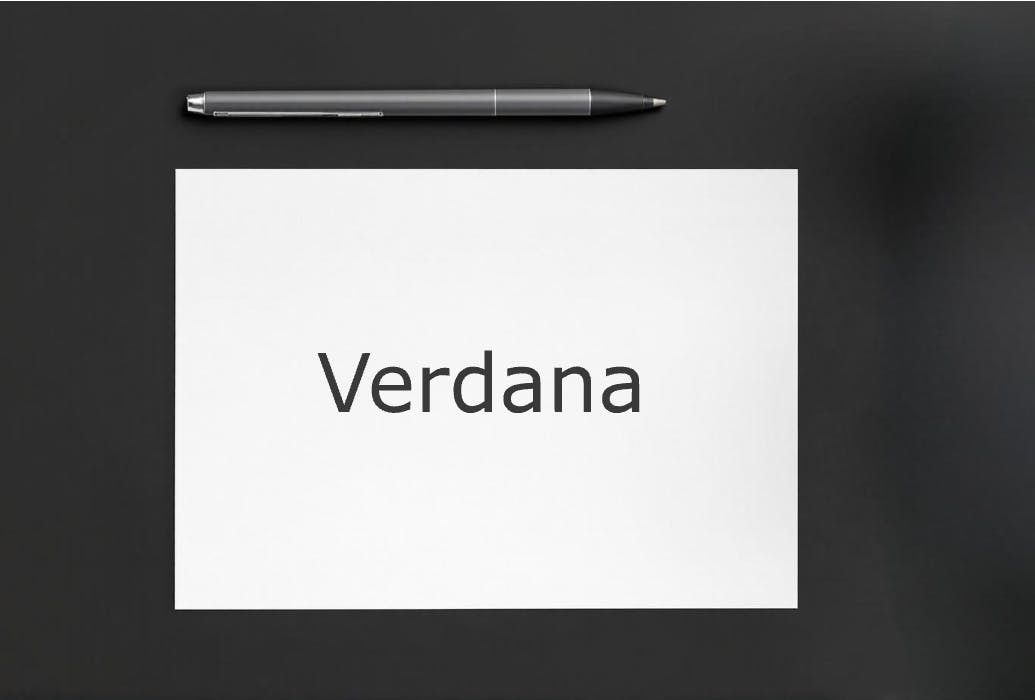
Created by Matthew Carter, Verdana is a humanist sans-serif typeface built for screen readability. The goal was for it to be easily read, no matter the text size — but that doesn’t mean it’s a smart design choice.
It’s often used for more corporate settings and internal docs. Its wide spacing and chunky letterforms, while ideal for small on-screen text, can make it feel clunky and awkward in other settings. And again, it can feel uninspiring like the other Microsoft family fonts.
However, Tom Rickner, the designer who hand-hinted the font, had higher hopes for its use:
7. Impact

Originally designed to grab attention on posters and headlines, Impact does just that — but not always in a good way.
As one designer at Kittl put it:
It’s bold and heavy, leaving little room for subtlety and often placing it in unfit contexts.
8. Lobster
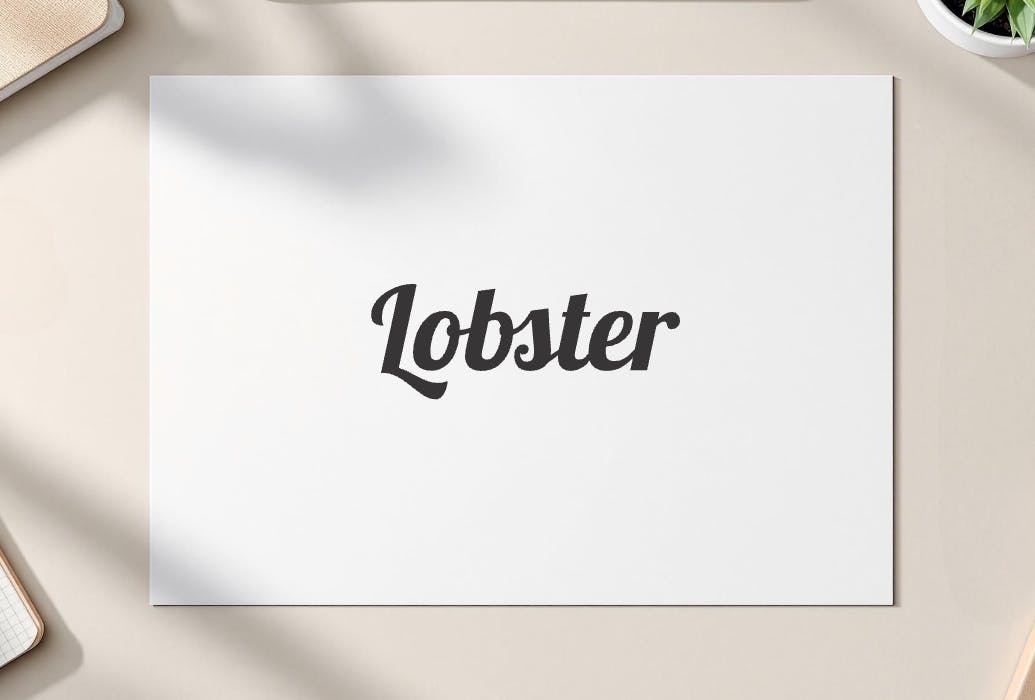
Another prime example of an overused script font after gaining popularity back in 2010 when it was introduced to the Google font library. Now, everyone seems to be over it.
It’s playful and decorative, yes. But it’s also extremely stylized, making it easily recognizable and unoriginal. Its style also limits the environments it suits. Which means it’s easy for it to be misused as well as unoriginal.
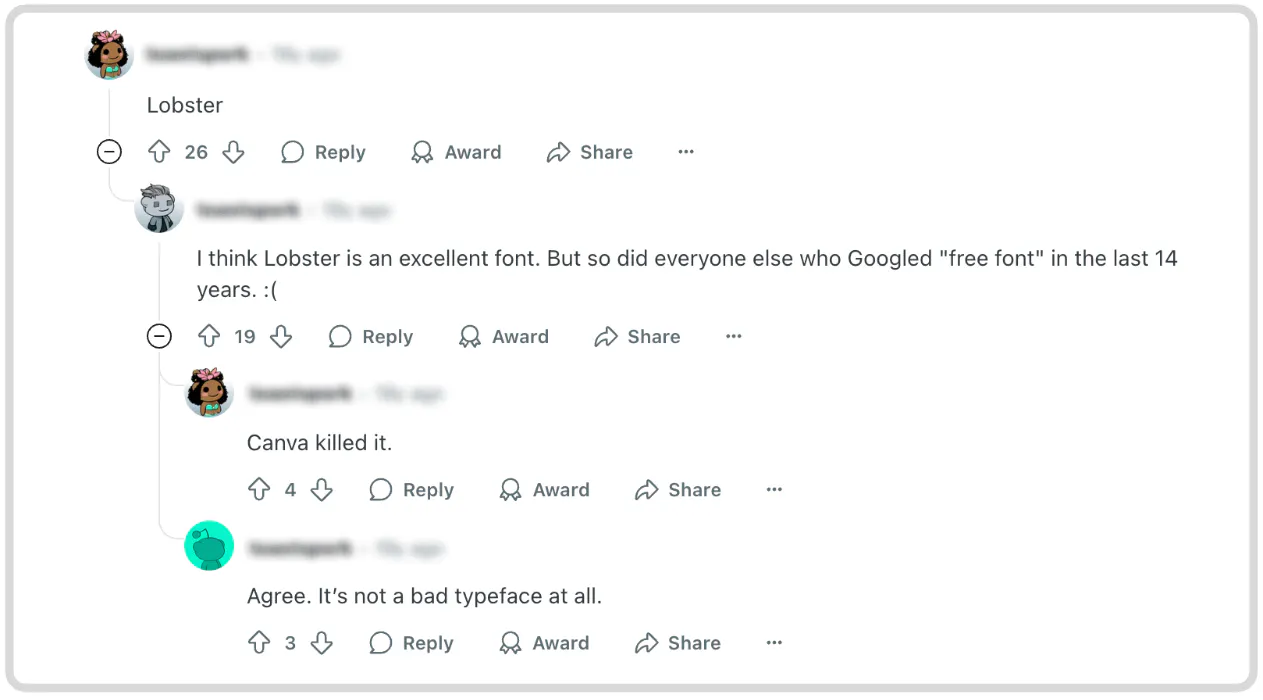
Reddit threads consistently call this one out for being hard to work with and overplayed.
9. Jokerman
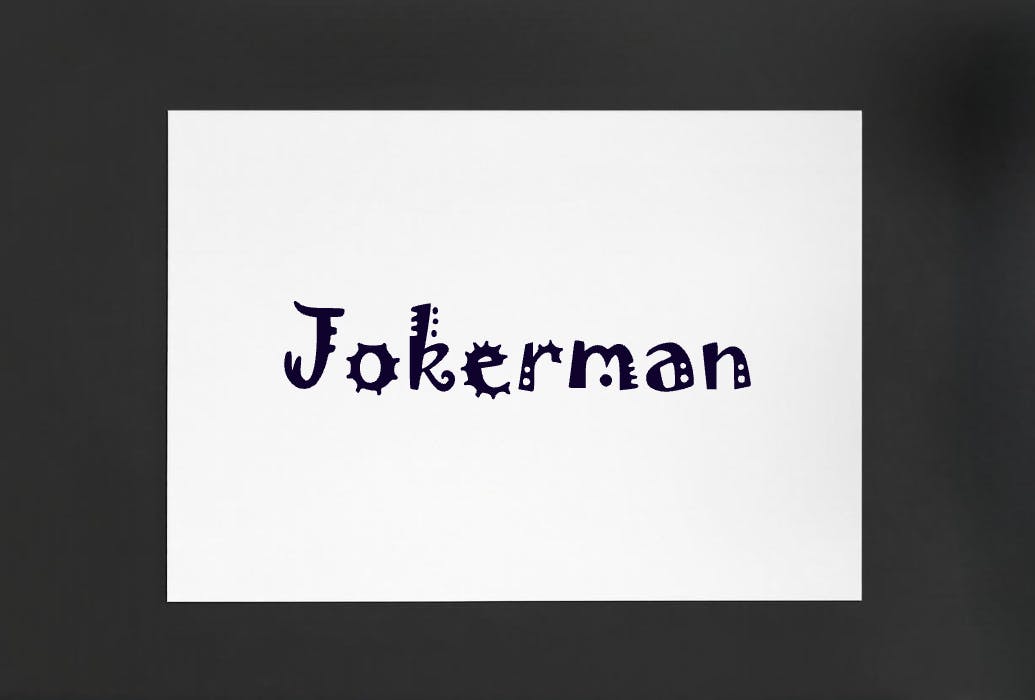
Simply put, this font is chaotic, over-the-top, and just plain hard to read.
Jokerman tries to be fun and decorative, but designers seem to collectively agree any designs featuring this font end up looking unprofessional and outdated.
You’d be hard-pressed to find a design context where this font actually works. We’re still interested to see it, though if you’re a Jokerman fan.
10. Raleway
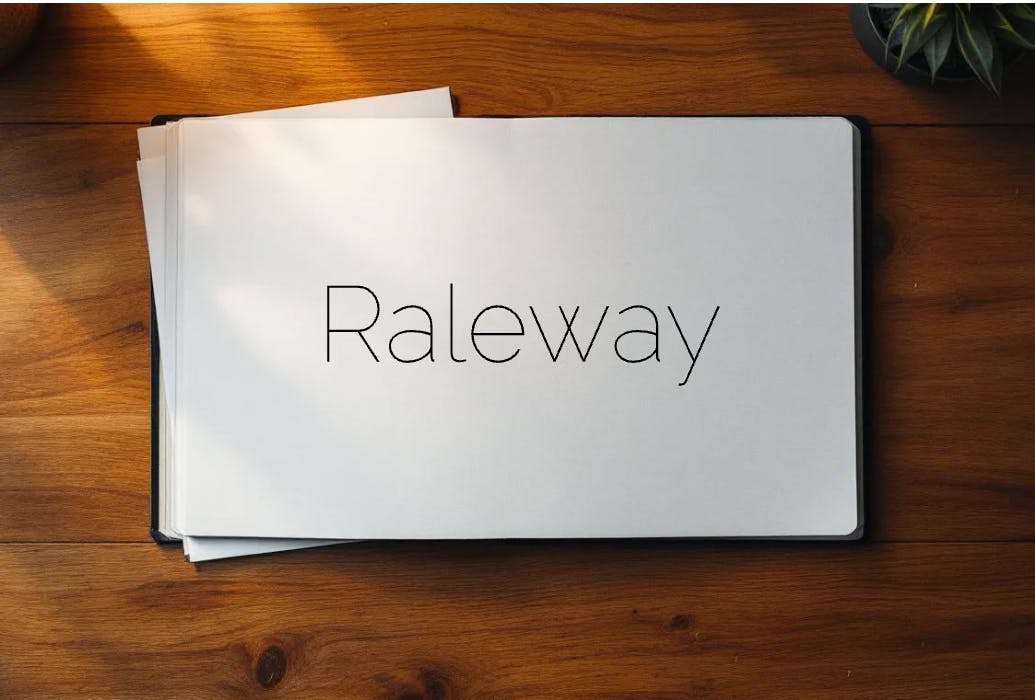
Now this one is controversial. Raleway looks clean, elegant, and well-designed and it is, mostly.
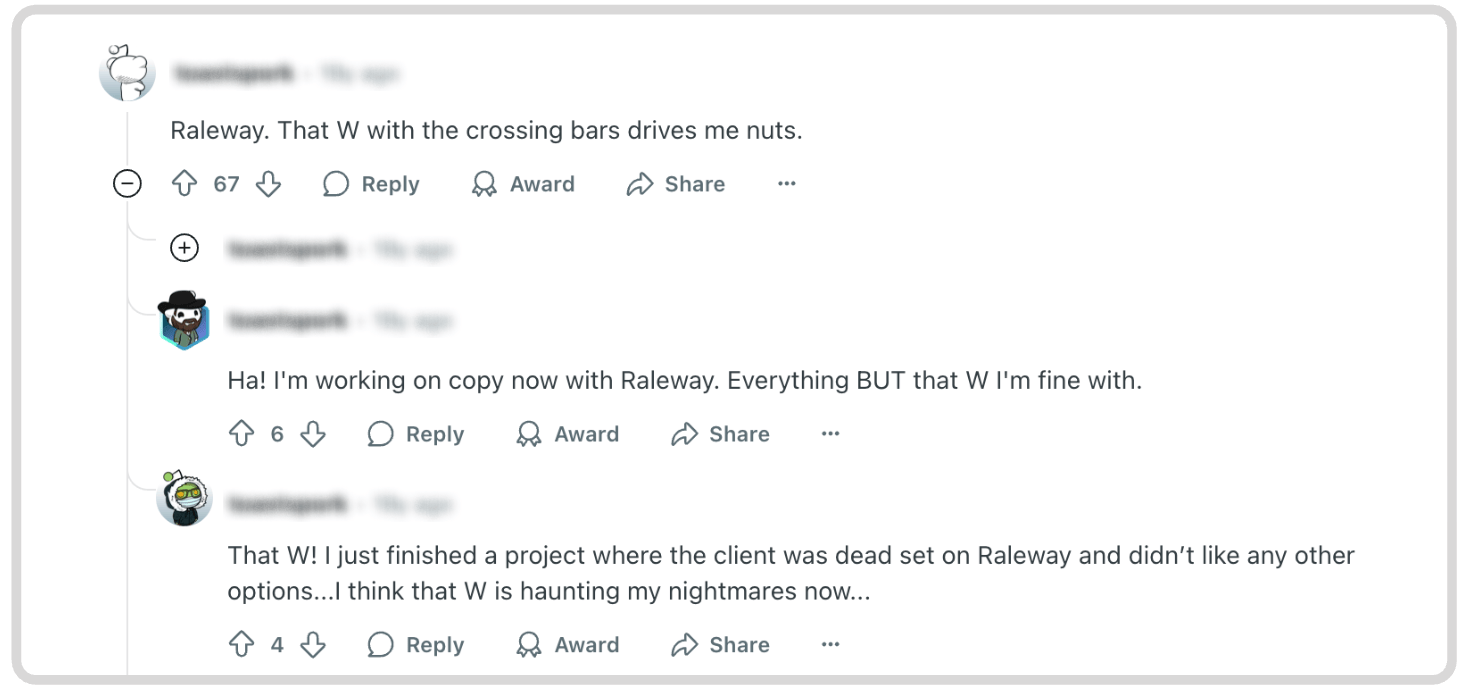
But ask any designer who’s worked with it for more than a minute, and they’ll probably mention the w. It’s weirdly wide and throws off the rhythm of the entire typeface.
It’s a small flaw, but a frustrating one — especially when you’re trying to create polished, balanced typography. So while it’s not the worst, it’s earned a spot here for being deceptively annoying.
Key takeaway
There you have 10 of the worst fonts collectively agreed upon by designers.
Whether because they’re stale or misused, these are the fonts to avoid for your next design project, especially if you’re building a resume — you want to show your critics you’re original and avoid looking amateur or outdated.
Great design starts with thoughtful choices, and your typeface plays a major role. Opt for a unique, timely, and purposeful type that aligns with your context and strengthens your messaging.
If you’re interested in learning how to make better typography choices, jump to our font pairing guide.
Then, if you’re really committed to growing your typography skills, watch the video below for tips on how to mix and match different fonts. And when you’re ready, get started with a new design.