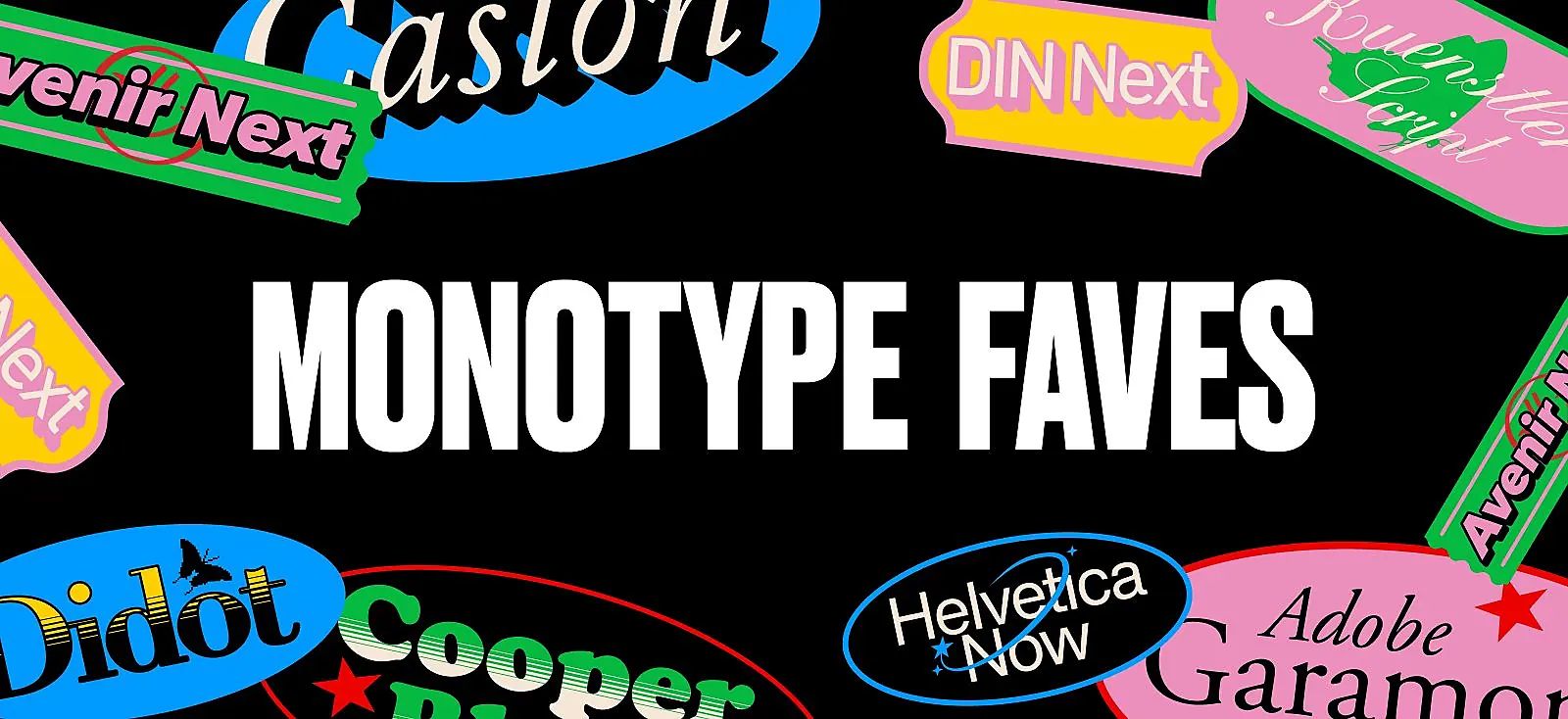
After analyzing over 30,000 Kittl projects using all-time data from Kittl’s Metabase, we noticed something fascinating.
Designers are rediscovering the beauty of classic typography.
Fonts like Adobe Caslon and Cooper Black aren’t fading; they’re being reimagined. These timeless Monotype typefaces continue to appear across thousands of Kittl designs, proving that strong typography never goes out of style.
And it’s not just the classics making waves. Roboto, originally commissioned by Google and now part of the Monotype library, tops Kittl’s all-time download charts with 46,431 uses.
From editorial layouts to modern branding, the data shows that heritage fonts and adaptable sans-serifs coexist beautifully.
Here’s what the numbers reveal about which Monotype fonts are shaping design culture inside Kittl — and why designers keep coming back to them.
Monotype vintage serif fonts are officially back

Adobe Caslon

Adobe Garamond

Didot
Monotype Serif fonts are having a full-circle moment. Once reserved for print and book layouts, they’re now dominating branding, editorial design, and even packaging.
- Adobe Caslon remains the undisputed favorite with 7,914 uses (–0.73%), especially across editorial and logo design projects, where brands want to communicate heritage and trust.
- Adobe Garamond, with 5,461 uses (–1.9%), continues to anchor high-end branding and digital magazine layouts.
- Didot, rising by +16.57%, has emerged as the luxury brand hero, heavily used in cosmetic packaging, jewelry identity systems, and product labels.
Across the board, serif fonts now account for over 40% of premium design use cases in Kittl, showing that brands are leaning on elegant letterforms to convey legacy and quality.
Bold Monotype sans-serif fonts remain the modern workhorse

Avenir Next

Helvetica Now

DIN Next
Monotype fonts’ Sans-serif families hold their ground as the most versatile category in design.
Their clean geometry and digital-readiness make them essential in tech, product design, and merchandise branding.
Leading the way is Roboto, topping Kittl’s all-time download charts with 46,431 uses.
Originally designed by Christian Robertson for Google and now part of the Monotype library, Roboto represents the balance designers crave: modern, neutral, and incredibly adaptable.
It’s just as comfortable in UI layouts and social templates as it is in print campaigns and apparel graphics.
But beyond Roboto:
- Avenir Next keeps a steady 1,648 uses (+0.67%), thriving in web, app UI, and startup brand kits where clarity is everything.
- Helvetica Now, with 971 uses (–0.31%), continues to define corporate identity and signage, maintaining its timeless minimalism.
- DIN Next (+6.31%) and Tungsten (+5.68%) dominate sportswear, automotive, and gaming projects, where compact, powerful typography communicates energy and precision.
In Kittl’s data, sans-serifs appear in nearly half of all branding projects. But their use cases are expanding: from product labels and UI mockups to fashion taglines and packaging text.
Decorative and expressive Monotype fonts are surging

Cooper black

Kuenstler Script

Didot
If serifs ground your design and sans-serifs clarify it, decorative Monotype fonts make it feel alive. 2025’s design landscape shows a decisive rise in expressive typography for merch, social content, and boutique branding.
- Cooper Black saw 1,868 uses (+7.36%), becoming a staple in T-shirt designs, retro poster sets, and café branding.
- Kuenstler Script, up +12.08%, leads in wedding stationery, logo signatures, and artisan product packaging, proving that elegance can coexist with personality.
- Didot overlaps categories here too — it’s equally at home in fashion headlines and perfume boxes as it is in luxury web layouts.
Decorative and script fonts together account for a 13% share of all new projects in Kittl, with the biggest growth coming from social media templates and e-commerce branding.
Key takeaway: By design category, here’s how the Monotype fonts trend stack up in Kittl
| Design use case | Top font type | Leading fonts | Trend direction |
| Branding & logo design | Serif & Sans | Adobe Caslon, Avenir Next | +4.2% overall |
| Editorial / print design | Serif | Adobe Garamond, Didot | +6.8% |
| Packaging design | Serif & Script | Didot, Kuenstler Script | +12.1% |
| Merch & apparel | Display | Cooper Black, Tungsten | +8.9% |
| Social media / digital | Sans & Decorative | Avenir Next, Cooper Black | +5.6% |
| Luxury & fashion branding | Serif & Script | Didot, Garamond, Kuenstler Script | +15.3% |
*Data source: Kittl Meta base (change font count), Kittl Metabase (Most Downloaded font), Kittl Metabase (Font user use case)
In short:
- Serifs (+3–16%) → Making a confident comeback in branding and luxury packaging.
- Sans-serifs (steady +0–6%) → Still essential for clean, digital-forward design.
- Decorative/Scripts (+7–12%) → Rising fast as designers seek character and emotion.
The state of Monotype fonts in Kittl: Timeless meets Kittl’s top trending
Typography in 2025 is all about the blend of timeless and trendy. Fonts that feel grounded yet expressive.
Designers aren’t just picking typefaces for style; they’re using them strategically to shape emotion, hierarchy, and brand identity.
And that’s where our next blog comes in — pairing these Monotype fonts classics with Kittl’s most downloaded fonts to show how timeless meets trending.