
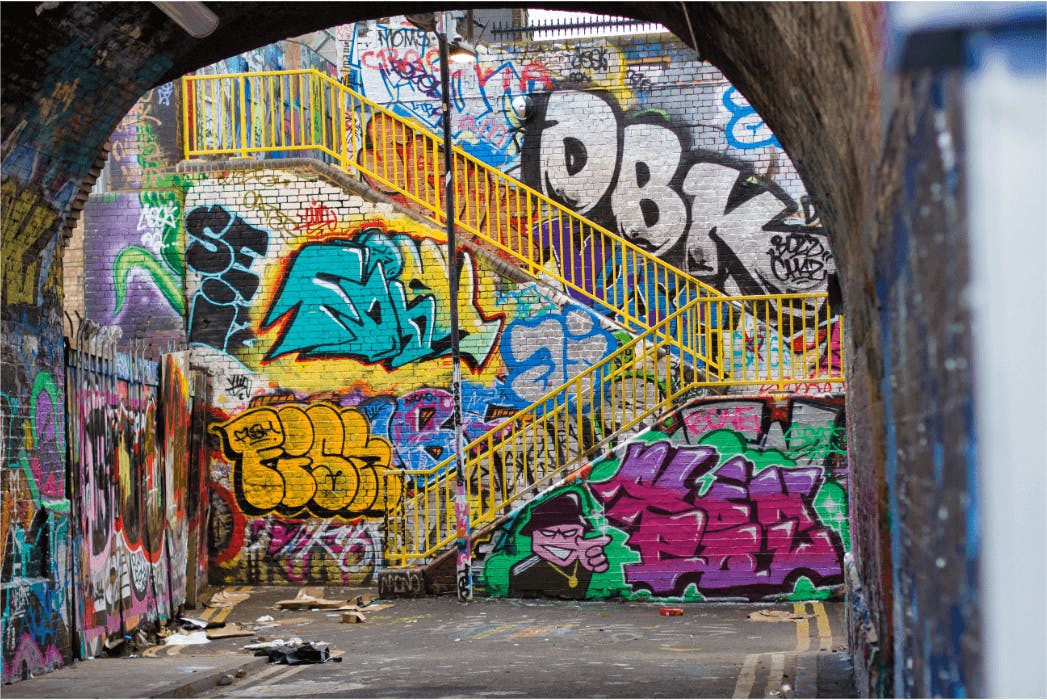
Graffiti graphic design is the digital recreation of traditional street art, using graphic elements like fonts, textures, and illustrations to capture the raw energy of graffiti. It takes inspiration from real-world graffiti — including spray-painted murals, tags, and even paint drips.
In this article, we’ll break down the graffiti graphic design style, exploring where it came from, key characteristics, and — most importantly — how you can start designing in the graffiti style yourself.
We’ll also share a curated list of some of the best graffiti fonts and ready-to-use templates you can customize instantly in Kittl.
Did you know
Most ink-trap fonts you’ll find are sans-serif, but you can find serif ink-trap fonts as well.
What is graffiti graphic design?
Once dismissed as vandalism, graffiti is now a respected art form and graffiti graphic design brings that rebellious creativity into branding, fashion, music, and marketing. Particularly for streetwear, album covers, posters, and social content.
Core elements of this design style often include:
- Bold, hand-drawn typography
- Spray-paint textures and drip effects
- Raw, messy compositions
- Elements like tags, stencils, or street murals
A brief history of graffiti design
The history of graffiti is a rich and rebellious one, rooted in the idea of self-expression. Emerging in the late 1960s and early ’70s, graffiti started on the streets of New York City. Graffiti artists used spray paint to tag their names or “street names” on subway cars, walls, and public spaces, creating a bold, new form of street art.
The culture quickly grew into a full-blown art movement, with its own styles like bubble graffiti fonts, wildstyle, and tags. Today, graffiti has evolved into a highly respected art form, leading to the creation of digital graffiti typefaces.
Currently, graffiti typefaces are heavily used in streetwear design and posters but work across multiple industries.
What are graffiti fonts?
Graffiti fonts are typefaces inspired by the graffiti art style.
Just like the graffiti you see sprayed on city walls, train cars, and alleyways, graffiti fonts are bold, expressive, and full of energy. They mimic the lettering styles of street art, bringing raw energy, movement, and personality into digital designs.
Graffiti fonts aren’t a single style they stem from a wide range of graffiti art movements, each with its own aesthetic. That’s why you’ll find everything from nearly illegible and abstract fonts to round and playful bubble letter fonts.
Key characteristics of graffiti fonts are:
- Hand-drawn or freeform appearance
- Bold and eye-catching
- Stylized letterforms
- Edgy vibe
- Drips, splatter, and spray effects
- Playful or aggressive tone
Different graffiti design and font styles
Like we mentioned above, digital graffiti design draws inspiration from various graffiti art styles found in the street art world. And each of these styles have their own history, aesthetic, meaning, and purpose (see the example of different graffiti design styles below).
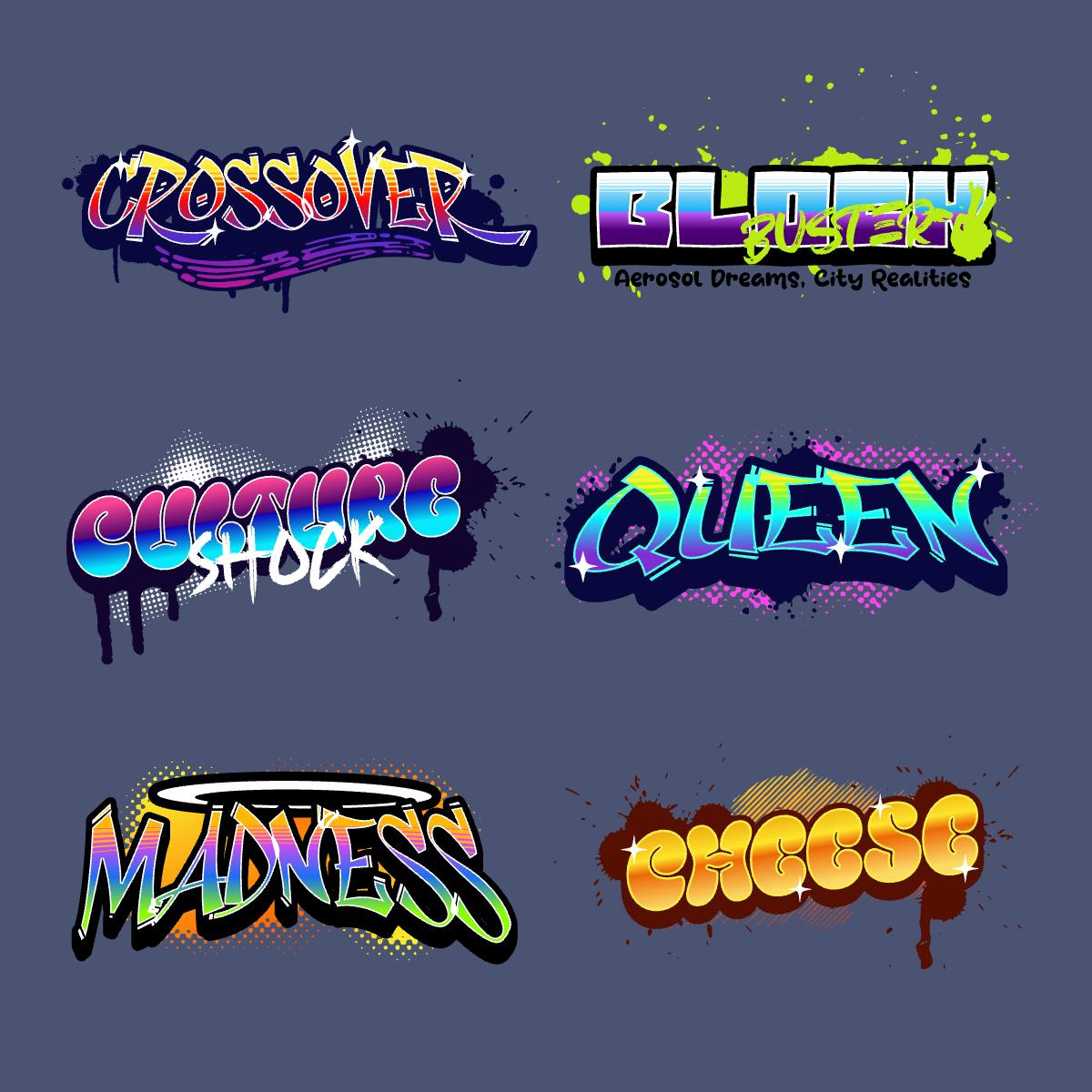
Here are some of the most common graffiti-inspired graphic design styles you’ll find:
1. Bubble letter
Bubble letters are rounded, inflated-looking characters that resemble cartoonish balloons. They’re fun, bold, and easy to recognize — often used in both throw-ups (more on this below).
2. Tags
Tags are quick, stylized signatures used by graffiti writers to mark their presence. They’re usually written in a single stroke or a fluid script, often messy or hard to read.
3. Block letter
Block letter fonts feature thick, geometric characters that appear strong and heavy. The letters are usually outlined and sometimes filled. And exactly as you probably imagine, they have a 3D or shadow effect to give them the block-like appearance.
4. Throw-up
A throw-up is a graffiti piece done quickly, often using bubble letters filled with one color and outlined with another. Its less a style and more a technique fast, bold, and designed to cover space quickly. Fonts inspired by throw-ups reflect this urgency with rounded, bold characters and a slightly messy look.
5. Wildstyle
Wildstyle is one of the most complex graffiti styles, with abstract, overlapping characters, arrows, and extensions. Letters in this style are often times nearly illegible. But wildstyle fonts bring this chaotic, layered energy into compositions that’s perfect for bold, rebellious visuals.
6. Stencil
Inspired by graffiti made using stencils, these fonts are raw, bold, and highly legible. The art style in itself is often used in protests for these reasons. They feel raw and industrial, often used in activist or punk design aesthetics.
7. Drip
Pretty self-explanatory, drip fonts reflect the look of paint dripping down a wall — either from excess spray or deliberate style.
Tips to use graffiti graphic design in professional settings
If you’re looking for designs that stand out whether for a brand, social media post, or even posters, the graffiti design style can give you that unique edge.
The key to using graffiti fonts and art in your graphic design is to incorporate elements strategically. They can give your design an unmistakable attitude, but they should follow these “rules”:
- Align with your brands identity: If you’re launching a new product or campaign that needs to feel bold, rebellious, or cutting-edge, graffiti fonts are an excellent choice. But with that being said, don’t use graffiti text if it goes against your brand image or style.
- Don’t overwhelm your design: Unless your design consists solely of a short display/title text (like a logo, for example), pair graffiti fonts with a non-display text with high readability for any body or accent text.
- Balance color and contrast: Graffiti art and fonts often come in bold, intricate shapes that need enough contrast to really shine. Use high-contrast colors between the background, text, and design elements avoid overly busy backgrounds that compete with the letterforms.
For example, if your graffiti font has lots of detail, a simple backdrop will help it stay legible and striking.
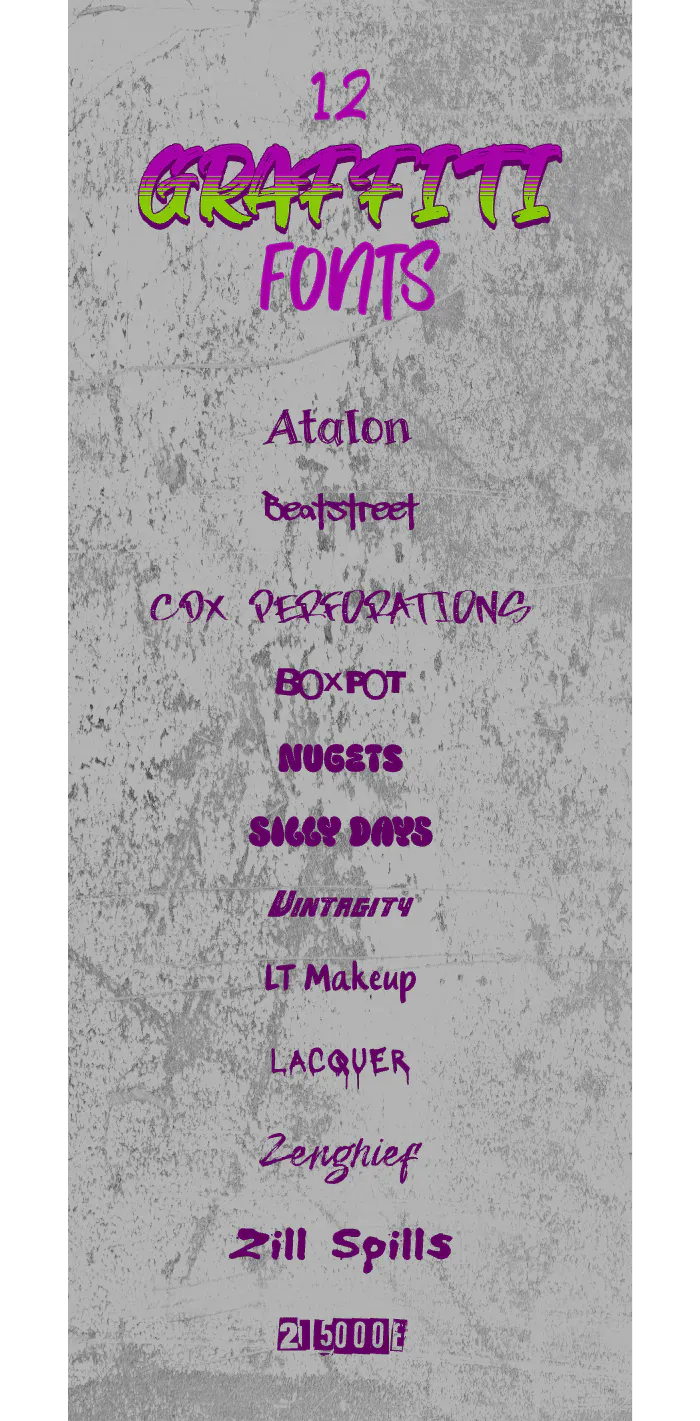
12 graffiti font examples (free to download)
If you’re still wondering what graffiti fonts look like, we’ve put together a visual example. Below is a list of 12 of the best graffiti fonts you can find — all free to access in Kittl.
These are just a few of our favorite graffiti fonts, all free and ready to use in Kittl. To find more, open the editor and search graffiti in the font menu.
If youre wondering which one to choose, the best graffiti fonts are the ones that look realistic as in they match the real, raw graffiti art style.
On top of that, they should match your design style. For example, a bubble font will look much different from a stencil font in the same context. So, match your designs intent.
Transform your physical graffiti fonts into digital text
Want to turn your hand-drawn graffiti into digital text? You can easily do this in Kittl:
- Sketch your graffiti letters by hand
- Snap a photo or scan it
- Upload it to Kittl and use the vectorize feature
Once vectorized, you can use our vector editing tools for complete design control over your shape, adjust its nodes, color, and more to create exactly what you want.
Watch the tutorial video below to see hand-drawn images vectorized and added to digital designs in Kittl!
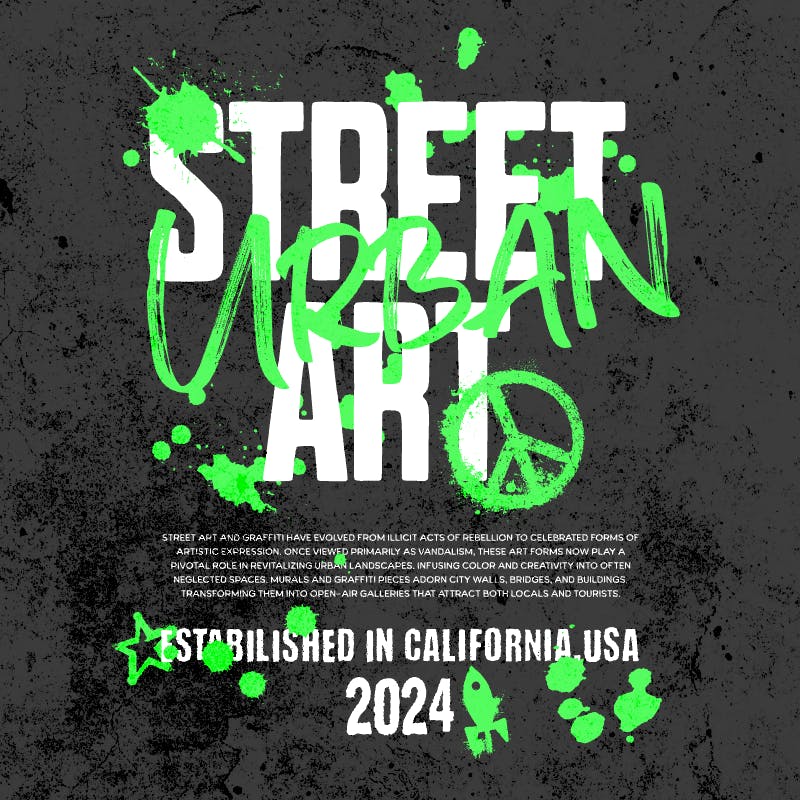
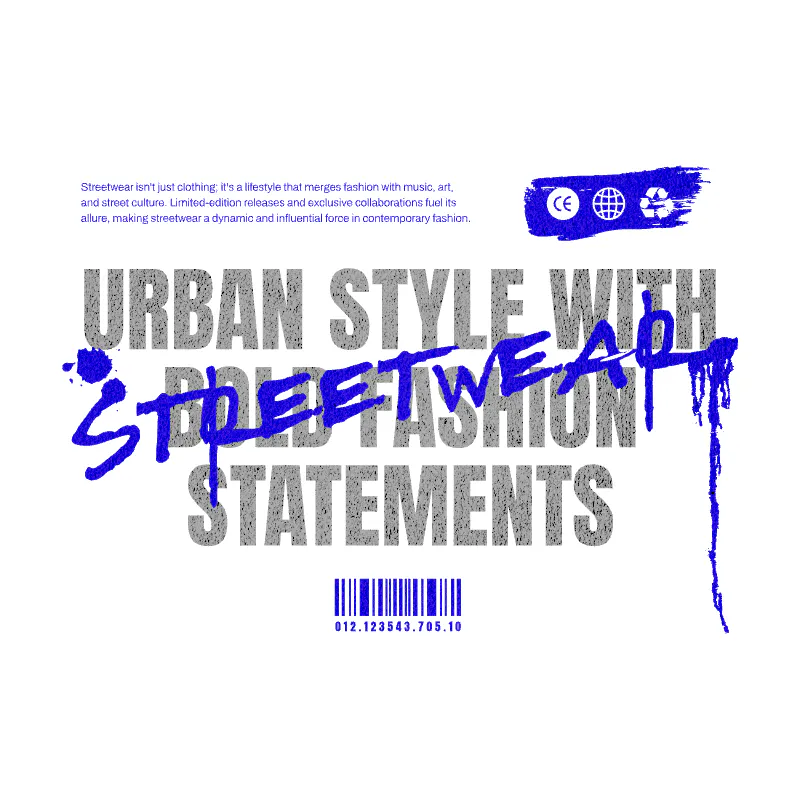
Graffiti design templates you can customize in Kittl
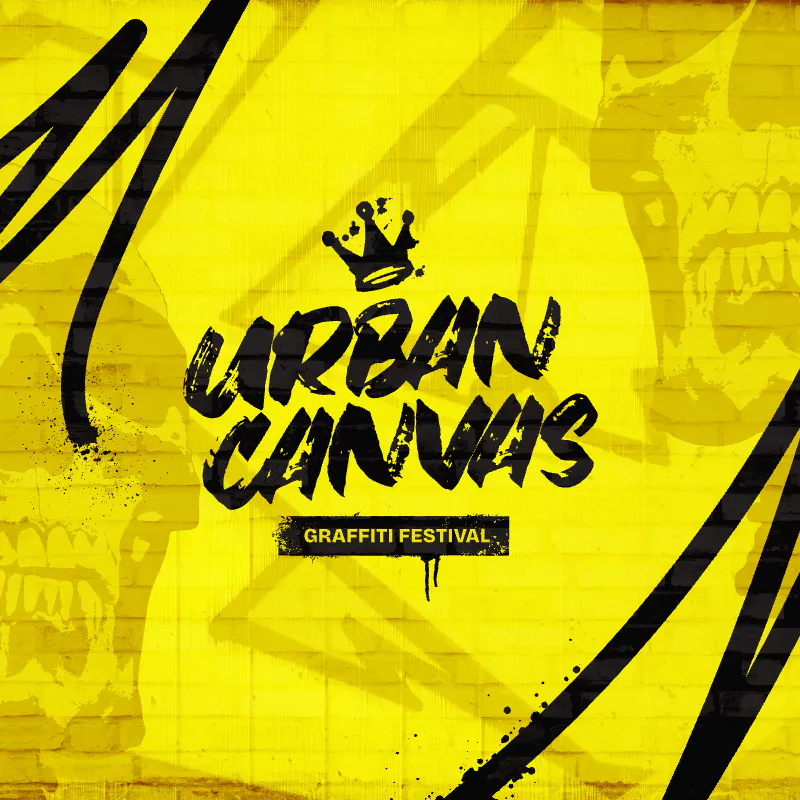
No need to start from scratch. We’ve created a collection of graffiti-inspired templates you can download or fully customize in Kittl. From drippy lettering to bold mural-style layouts, these templates give you a head start — just click, edit, and make it your own. Perfect for posters, merch, album covers, and more.
Ready to dive into the world of street art? Open Kittl and start designing now.