In the 1600s, Baroque artists weren’t holding back. They were layering bold compositions, striking, emotion-filled faces, and enough gold detailing to make modern luxury brands look minimal.
If you’ve ever seen a painting where the lighting feels more intense than a fashion campaign, or where the drama is turned up to full volume, there’s a good chance you were looking at a classical art painting. Perhaps something inspired by the Baroque era.
As aspiring designers, it’s easy to focus on what’s trending now. But understanding movements like Baroque art helps us see where many visual principles we rely on actually come from — contrast, depth, movement, storytelling. These weren’t just decorative choices back then; they were strategic decisions designed to move people.
So, instead of thinking of it as “just” art history, let’s take a closer look. Baroque art isn’t just relevant — it’s a goldmine of ideas that still show up in branding, typography, packaging, and beyond.
What is Baroque art?
Baroque art is the 17th-century equivalent of a blockbuster movie, full of drama, detail, and emotion. Originating in Europe around the 1600s, Baroque art is all about impact: artists of this era wanted to wow viewers, stir feelings, and even inspire faith through awe-inspiring imagery.
The very word Baroque supposedly comes from a Portuguese term for an irregularly shaped pearl, implying something beautiful, extravagant, and a bit over-the-top.
In Baroque art, more is expected. Grand scenes with rich colors, intense contrast, and ornate details at every turn.
How would you describe Baroque art to someone?
If you had to explain Baroque art in one go, you might say: Imagine a painting where light and shadow dance dramatically, figures swirl in motion, and every face shows intense emotion. Everything feels rich, theatrical, and full of energy.
Baroque art is characterized by bold contrasts of light and dark (a technique called chiaroscuro) that make scenes look almost spotlighted on a dark stage.
The compositions are dynamic – you’ll see diagonal lines and swirling forms that guide your eye through a story.
It’s emotional: whether the subject is a biblical drama or a mythological adventure, the feelings are front and center, from ecstasy and joy to anguish and triumph.
And it’s ornate: Baroque artists loved adding decorative elements, luxurious fabrics, and intricate patterns into the scene.
In short, Baroque art feels dramatic, lavish, and alive like a freeze-frame of an epic theatre performance, carved in marble or painted on canvas.
Because Baroque art aimed to appeal to the senses in dramatic ways, earlier critics actually used baroque to mean something irregular or exaggerated. Today, we use it more kindly to celebrate this vibrant style.
Famous Baroque art examples that can inspire your next design
To truly appreciate how Baroque art can fire up your imagination, let’s look at a few superstar artists from that era: Caravaggio, Rembrandt, Rubens, and Bernini. We’ll see what they did brilliantly and draw some design lessons from each.
These artists and their works are in the public domain (yay for open-access museums!), which means you can freely study them – and even use images of their art in mood boards or as direct inspiration for stylistic elements.
Here are four Baroque masters and what you, as a designer, can learn from them:
01. Caravaggio
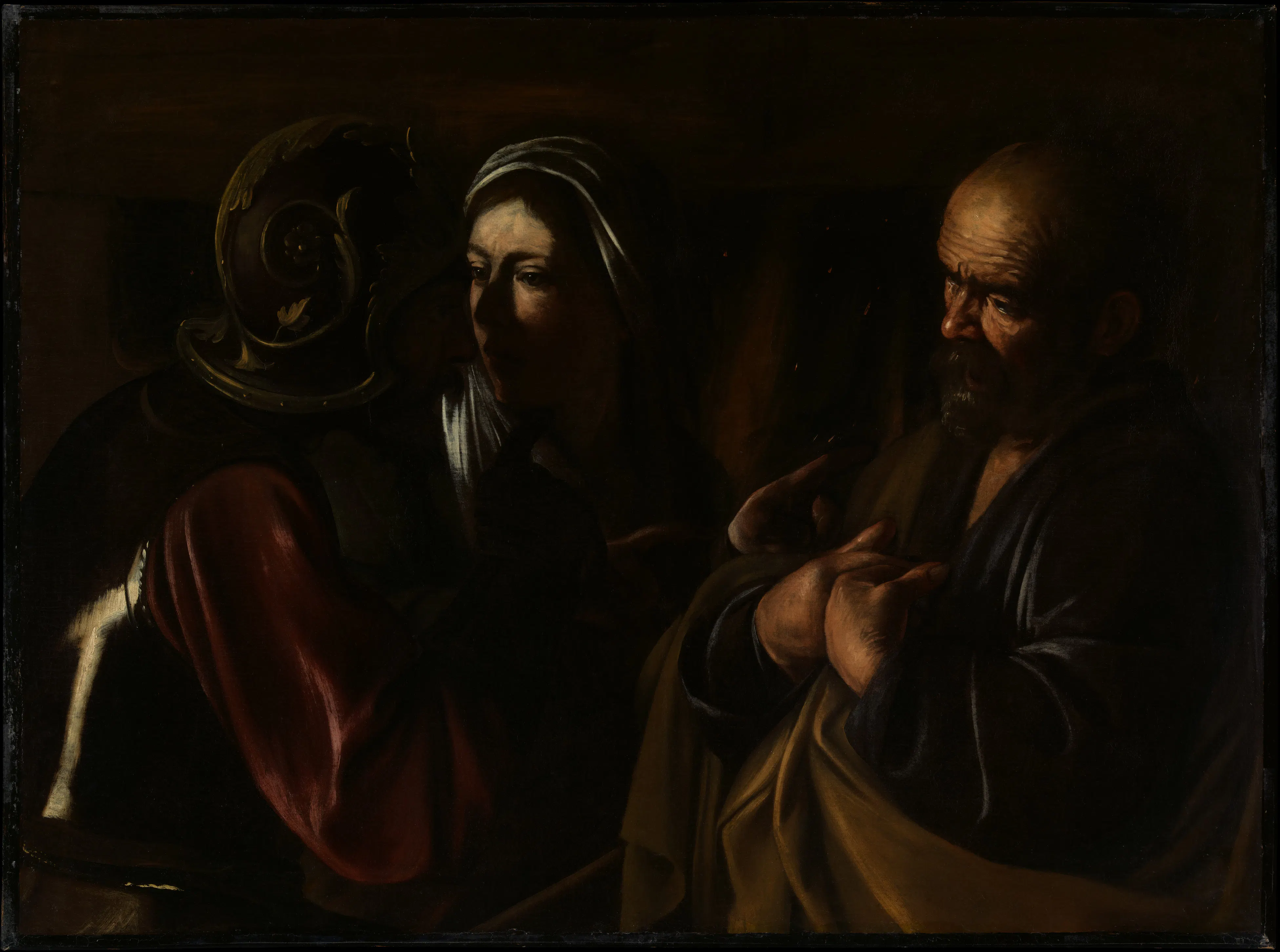
This painting showcases Caravaggio’s trademark chiaroscuro: notice how the soldiers on the left are almost swallowed by darkness, while Saint Peter’s face and the accusing woman’s hand are lit as if by a spotlight. The stark contrast isn’t just for show it directs your focus straight to the emotional core of the scene (Peter’s conflicted expression as he denies knowing Christ).
Caravaggio was a master of using light to tell a story. In design terms, he’s the ultimate lesson in focused lighting and storytelling. If you’re working on a design where you have a key message or focal point, think, How would Caravaggio light this? Perhaps you dim down all secondary information (using a darker color or lower opacity) and put a bright, high-contrast highlight on the main call-to-action or image.
Caravaggios compositions also often have a very tight, intimate feel the action comes close to the viewer, making you feel involved. A takeaway for designers is to consider cropping images or zooming in to create intimacy and intensity.
For example, instead of a distant full-body shot in a poster, you might zoom into a face or a crucial detail with a strong light source for that dramatic punch. As Caravaggio’s late works demonstrate, bold contrast can be your friend in creating atmospheric, emotionally compelling visuals.
Notable works by Caravaggio that you might explore: The Calling of St. Matthew (for a brilliant use of a light beam as a narrative device) and Judith Beheading Holofernes (though gory, its a masterclass in capturing a dramatic moment).
02. Rembrandt
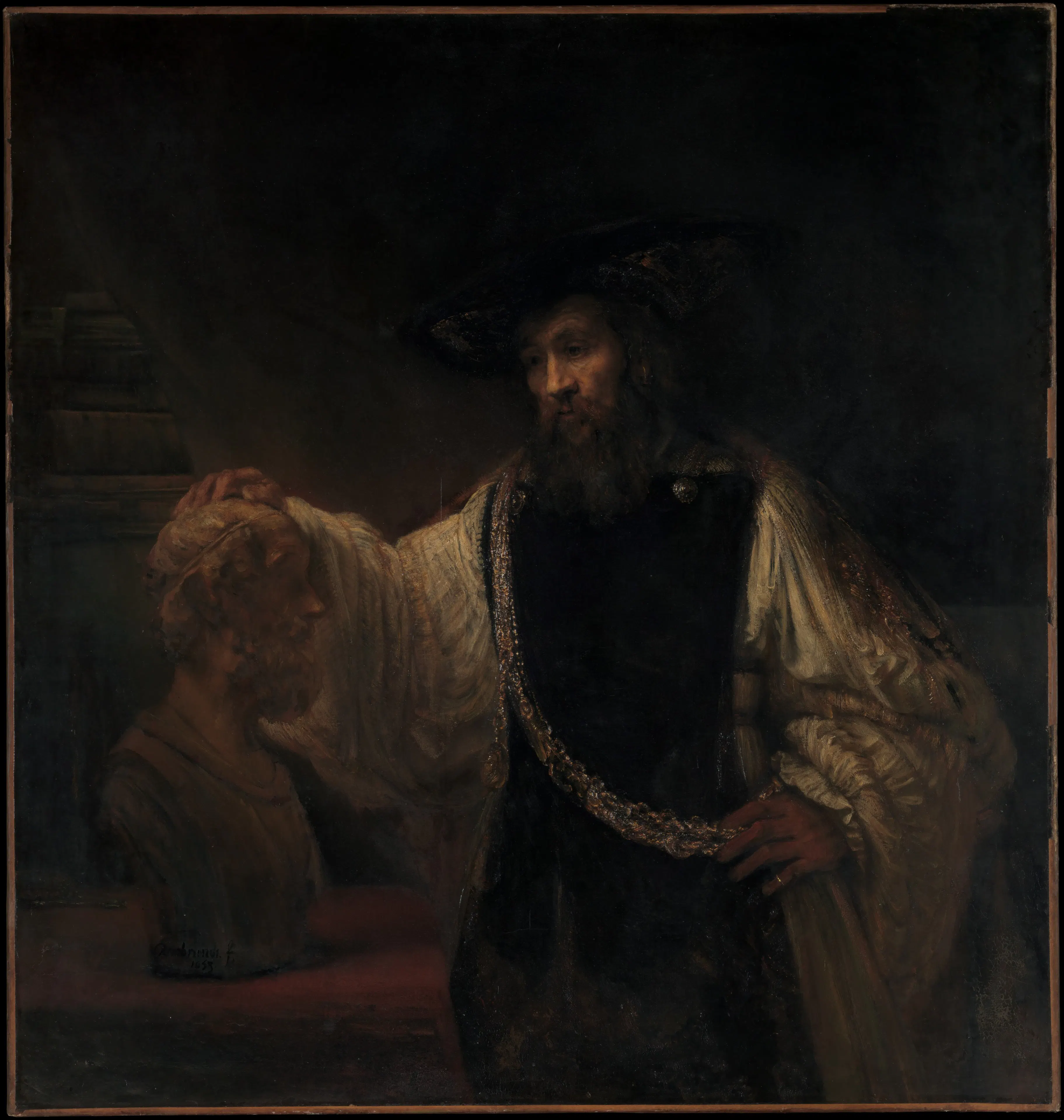
Rembrandt, another giant of the Baroque period, had a somewhat softer touch than Caravaggio but was equally powerful. In the image above, you see the philosopher Aristotle resting his hand thoughtfully on Homer’s bust.
The lighting is still dramatic but in a gentler, golden way often described as Rembrandt lighting. A warm glow falls on Aristotle’s face and luxurious sleeve, while much of the background and lower half fades into deep shadow. This creates a moody, introspective atmosphere.
Rembrandt is synonymous with intimate portrait lighting and subtle expression. In design, Rembrandt’s approach translates to crafting a mood. If Caravaggio is about high drama, Rembrandt is about depth and character.
For instance, photographers and portrait painters to this day use “Rembrandt lighting” – a technique where a triangular patch of light is left under the subject’s eye on the shadow side of the face – to create flattering yet dramatic portraits.
As a graphic designer, you might not be setting up studio lights, but you do work with color and tone. Using a muted, rich palette (deep sepias, golds, browns) and soft gradients can instill a Rembrandt-like warmth in a design.
Think of a vintage-style poster or an invitation with an aged paper background and warm-toned imagery; add a subtle vignette (darker at the edges) to mimic that fall-off of light into shadow. The result: a piece that feels inviting and timeless.
Rembrandt also teaches us about emotion through restraint. Many of his subjects have calm, contemplative expressions its the lighting and composition that imbue the scene with emotion.
As a designer, you can appreciate that sometimes a relatively simple composition, enhanced with beautiful light or color treatment, can be incredibly engaging. You don’t always need a wild layout if the feeling is conveyed through other visual cues.
Rembrandt’s Night Watch is another famous work worth looking at: it’s a busy scene (a city militia group), but he still manages to use light to pick out certain faces and actions, guiding the viewer’s eye through a complex group composition.
03. Rubens
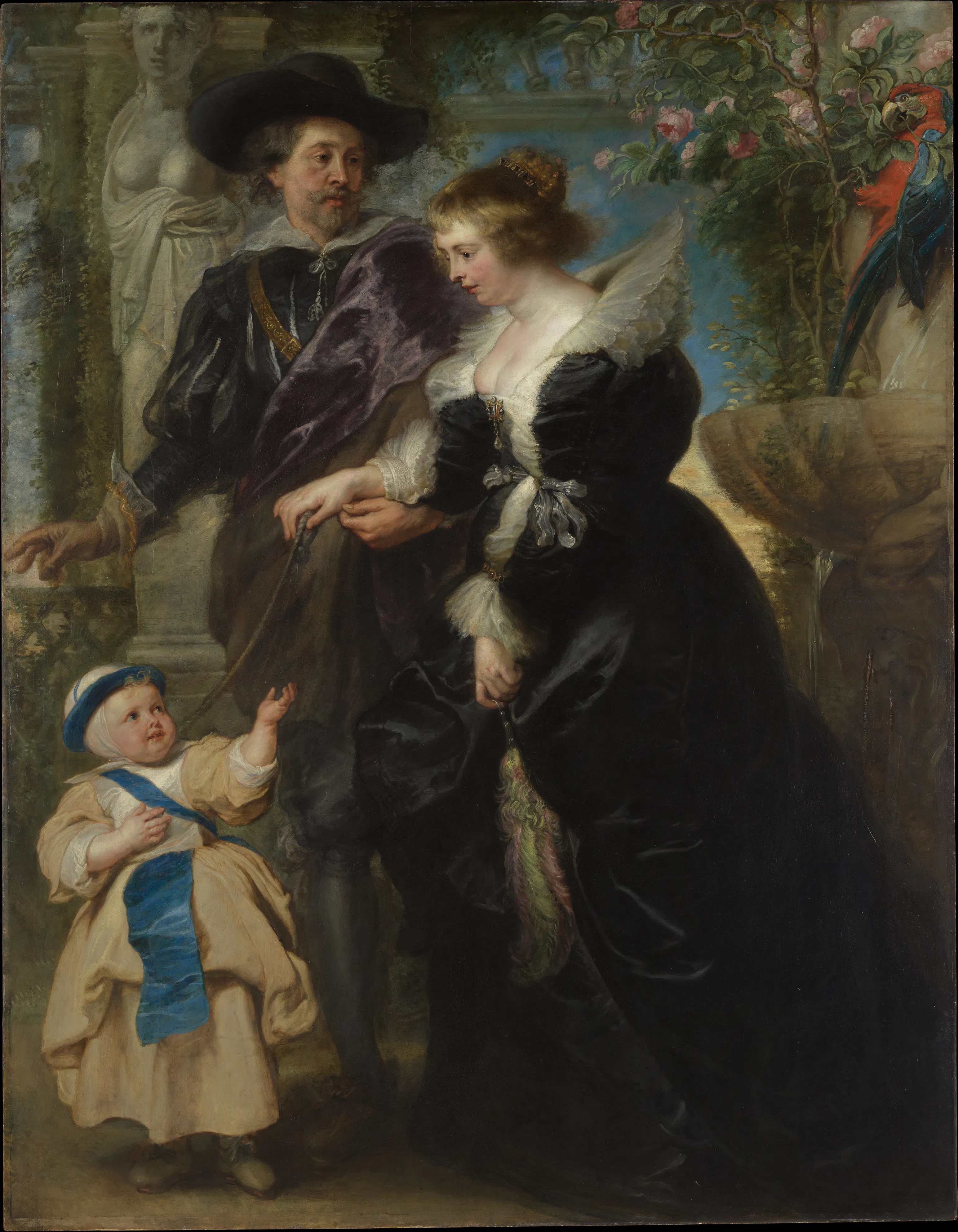
Peter Paul Rubens was the rockstar of Baroque painting in Flanders (modern-day Belgium). He’s especially known for vibrant, energetic compositions and a love of the human figure in motion.
In the family portrait above, which is a relatively calm scene, Rubens still couldn’t resist adding Baroque flair: look at the rich textures of Helena’s black silk dress and the playful posture of the toddler Frans with his tiny hand raised, there’s a lively, affectionate energy in this supposedly formal portrait. The background is an idealized garden with a statue and blooming roses, giving even a family scene an ornate, almost stage-like setting.
Rubens exemplifies movement, color, and lush detail. Many of his famous works (like The Elevation of the Cross or The Garden of Love) are bursting with action bodies twisting, fabrics flying, horses charging.
From a design perspective, Rubens is a lesson in compositional dynamism. If you have a chance to design something like a mural, a large poster, or any format where you can really fill the canvas, channeling Rubens can lead to a composition that feels alive.
Try using diagonal layouts or s-curves that snake through your design rather than keeping everything straight and perpendicular. This creates a sense of flow.
For example, in a website or magazine spread, instead of a straight column layout, you might arrange content on a diagonal or overlay elements so the reader’s eye “zig-zags” through the page – more engaging than a straight line.
Rubens is also famous for his vibrant color palette. He used a lot of warm tones earthy browns, saturated reds, glowing skin tones, and gleaming whites for highlights. The overall effect of a Rubens painting is often rich and warm.
For modern design, this reminds us to consider color, temperature, and harmony to set the mood. A warm, analogous palette (reds, oranges, yellows) can create a sense of excitement or warmth, whereas cooler Baroque palettes (Rembrandt sometimes used cooler, somber tones) create calm or tension. Rubens would likely approve of designs that aren’t afraid to use bold color to evoke emotion.
Finally, detail and ornamentation in Rubens’s work (he adored painting decorative armor, garlands of flowers, and chubby cherubs in the margins of his scenes) inspire us to pay attention to the periphery of a design.
Little decorative touches – like an ornamental corner frame, a patterned background, or illustrated motifs around the edges – can give a modern design that Baroque sumptuousness.
04. Bernini
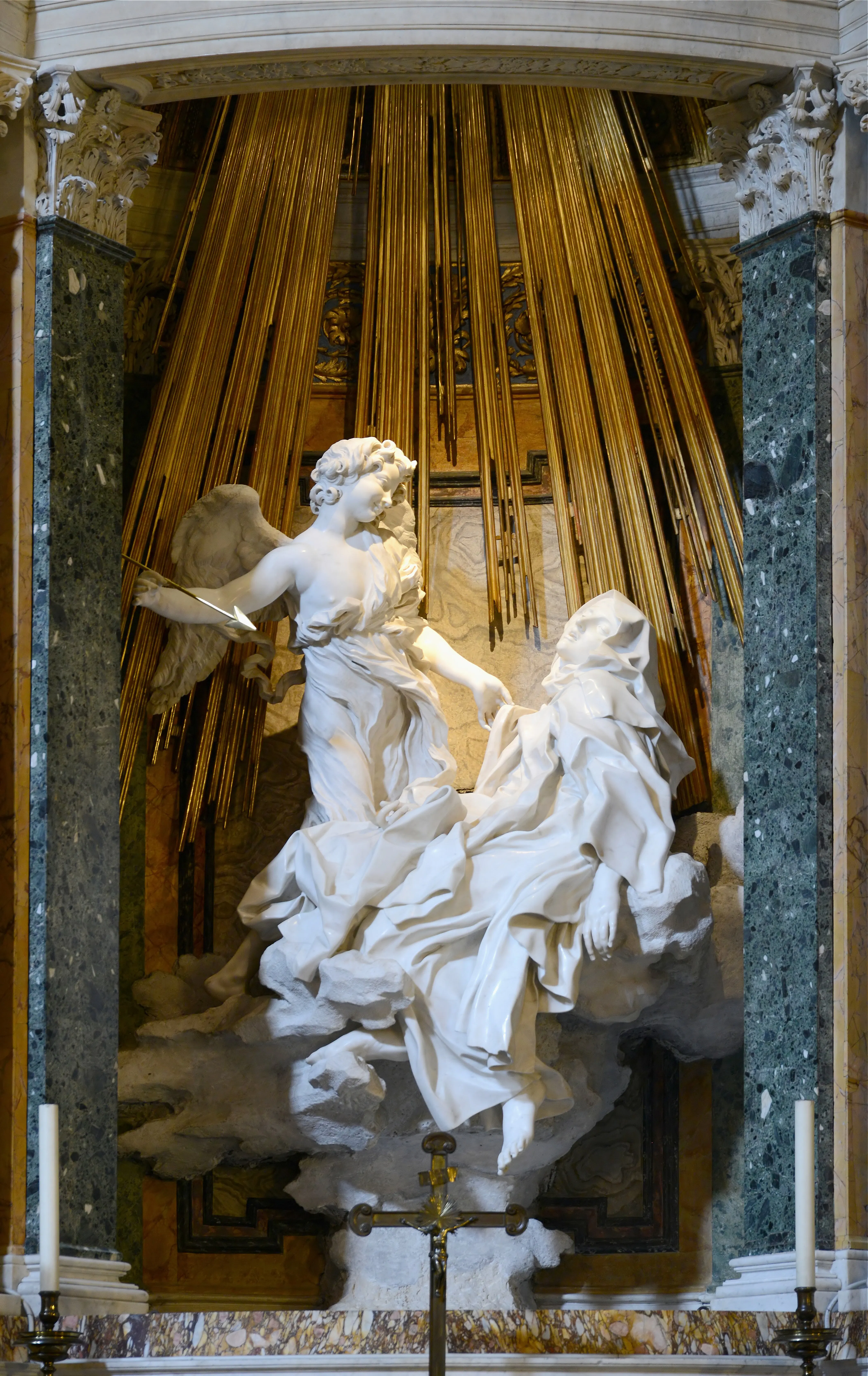
If painters owned the Baroque stage, Bernini owned the Baroque theatre. An Italian sculptor (and architect) extraordinaire, Bernini could make cold marble flow and move. In the famous sculpture above, he depicts Saint Teresa in a moment of religious ecstasy as an angel pierces her heart with a golden arrow.
The scene is utterly dramatic: the figures seem to float on a cloud, drapery swirling around them, all illuminated by a cascade of golden rays from above. It’s not just a sculpture, it’s a full-blown experience – Bernini even designed it to be lit by natural light from a hidden window, as if a spotlight shines from heaven. Talk about stage design!
Bernini shows how form, light, and setting work in harmony for maximum impact. For designers, Bernini’s work is a crash course in creating focal points and using 3D elements.
Obviously, in 2D design, we don’t have actual depth, but we simulate it through shadows, layering, and perspective. If you look at Ecstasy of Saint Teresa, the composition is very triangular (a common shape in Baroque art, giving stability at the base and a climax at the top). The angel and Teresa form a pyramid of emotion, and the converging golden rods at the top focus your gaze.
In a layout, you might use a similar concept: arrange your key elements in a shape (like a triangle or circle) that leads the eye inward, and maybe add radiating lines or patterns outward from the focal point to suggest a burst or emphasis.
For instance, a logo or poster could put a symbol in the center and have lines emanating from it like a sunburst – a very Baroque-style attention device that immediately says, “This is important!”
Bernini also teaches drama through contrasts in a different way: the soft vs. hard contrast. In his sculptures, the softness of flesh and drapery is depicted in hard marble a contrast in material that fascinates the viewer.
In graphic terms, think about combining contrasting textures or shapes. You might pair a flowing script font with a solid sans-serif or a delicate, intricate illustration with bold geometric shapes. The interplay of different visual textures can add interest much like Berninis mix of materials (marble and bronze) keeps your eye engaged.
Another takeaway from Bernini is the idea of storytelling in a single frame. His sculptures often capture the peak moment of a story (Teresa swooning, Apollo just as he catches Daphne and she turns into a laurel tree, etc.).
For designers, especially those working on narrative imagery (like book covers or campaign graphics), capturing a story’s essence in one image is the goal. Studying how Bernini freeze-frames a narrative can spark ideas for composing your own scenes. It might be as simple as choosing the most emotionally charged moment to depict, or arranging characters and objects in a way that the viewer can almost “fill in” the before and after.
Key Baroque Art characteristics you can apply to your modern art
At its core, Baroque art is all about movement, energy, and contrast. One of its most defining features is the dramatic use of chiaroscuro, where bold contrasts between light and shadow create a striking sense of depth and focus. This technique was famously used by Caravaggio, whose emotionally charged, hyper-realistic scenes seem to leap off the canvas.
In short, there are 4 components of Baroque art: Chiaroscuro, Movement, Ornamentation, and Realism. Baroque art is full of techniques and design choices that still show up in modern visual work, from bold layouts to high-impact packaging.
Let’s break down a few of its standout traits and why they matter for you as a designer.
01. Chiaroscuro: When light meets shadow
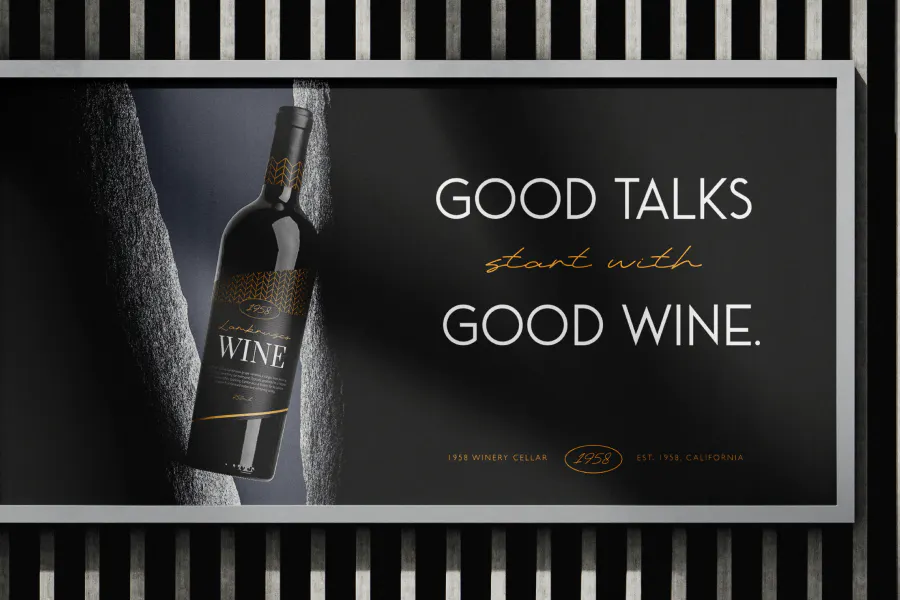
According to the Metropolitan Museum of Art, Baroque painters like Caravaggio mastered chiaroscuro the use of strong light against deep shadow to create instant drama. Dark backgrounds with a beam of light make the subject pop, almost 3D in effect.
Why should we care? In design, playing with high contrast can direct attention. For example, you might use a dark canvas with a bright, bold text or image spotlighted in the center. This light vs. dark tension adds depth and emphasis.
Think of a website banner with a brightly lit product on a black background, or a poster with a face half in shadow, half in light.
02. Movement: Nothing feels still
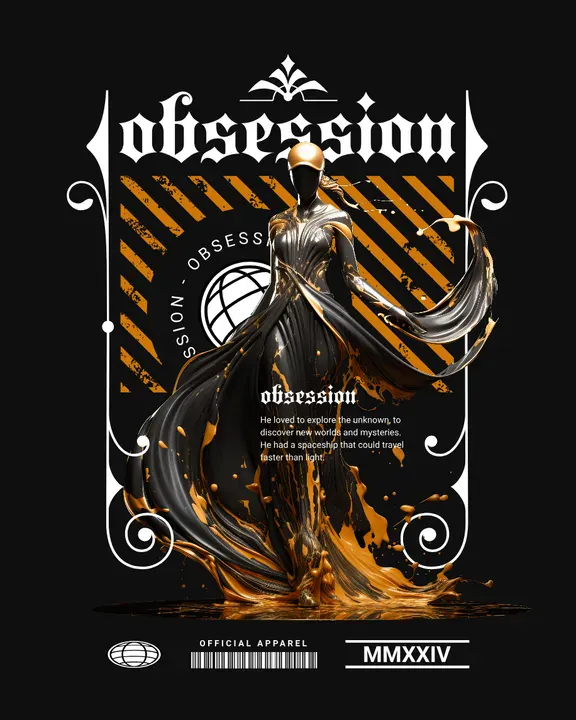
Nothing in Baroque art sits still. Figures twist and reach, compositions often use diagonal lines and curves to create a sense of motion. Even in paintings, there’s a feeling of action as if the scene is unfolding in front of you.
Even in modern designs, static design can be dull; injecting a sense of movement guides the viewer’s eye and creates excitement. In layouts, you can mimic this by using diagonal elements or by tilting images and text for a dynamic feel.
Layering can also suggest movement – for instance, overlapping design elements (like an illustration partially over typography) can create a lively, layered composition that feels more engaging than a flat, centered layout.
03. Ornamentation: Details with intention
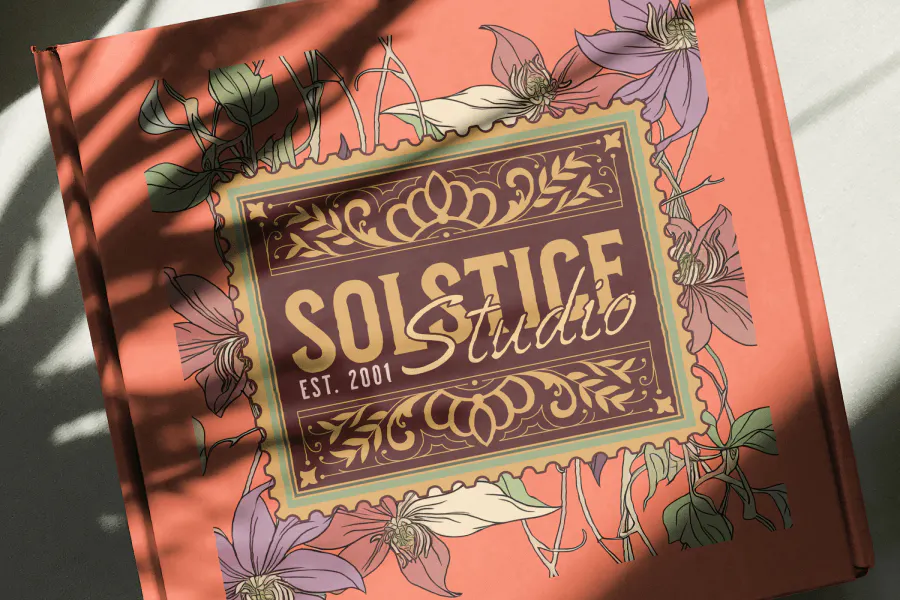
Baroque artists never shied away from embellishment. From gilded frames to florid architectural backgrounds, their works are often ornate. You’ll find decorative flourishes, complex patterns (think lavish costumes and swirling drapery), and a general love of detail.
In today’s design, this translates to embracing maximalism when appropriate, adding decorative elements like vintage scrollwork, borders, or textured backgrounds to give a design richness.
For example, a graphic designer might choose a baroque-inspired serif typeface with elegant curves or add vector flourishes (swashes, filigree, floral motifs) around text to evoke a classic, luxurious vibe.
Apps like Kittl make this easy, offering ready-made ornamental graphics that you can drag into your design. The key is to use detail with purpose to enhance the message (much like Baroque painters used ornament to spotlight importance or convey luxury).
04. Realism: Emotion meets humanity

Look at a Baroque painting and you’ll instantly read the emotions bliss, sorrow, awe, fear It’s all exaggerated for effect. The goal was to evoke a response in the viewer, pulling them into the scene.
Our design, at its best, should also evoke emotion. Knowing how to dial up emotional impact can make a poster more persuasive or a branding more resonant.
Take color as a tool: Baroque artists often used rich, warm palettes (deep reds, golds, velvety dark tones) to stoke feeling. As a designer, you might use color psychology to your advantage for instance, a deep crimson to signal passion or urgency or a high-contrast black-and-gold combo to scream luxury and drama.
Likewise, imagery choice is crucial: choosing a photo or illustration with a strong emotional expression (a joyous face, a dramatic action pose) will grab attention much like a Baroque painting’s expressive characters do.
With that said, don’t be afraid to be a little theatrical in your design; Baroque teaches us that bold emotion connects with audiences.
Where Baroque Art shows up in today’s design world
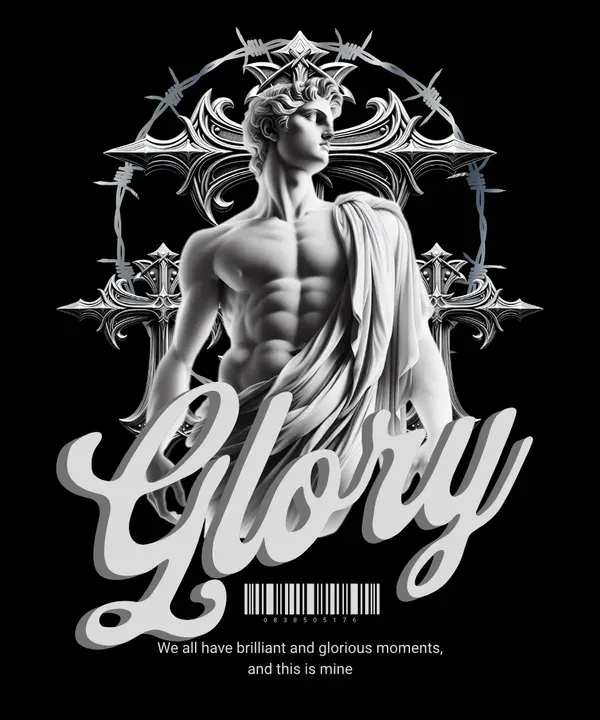
The short answer? Branding, posters, digital illustration, concept art – even motion design and film.
Baroque art might be old, but its spirit very much lives on in contemporary design. In fact, many current trends and styles echo Baroque aesthetics (sometimes knowingly, sometimes just because certain visual solutions are timeless).
Let’s explore a few places and ways we see Baroque influence today.
01. Branding & packaging
High-end brands often channel Baroque opulence to signal luxury. Think of a wine label with intricate gold foil scrollwork or a logo with an elaborate crest and serif lettering – these are nods to Baroque and Rococo design.
For example, luxury fashion and perfume brands like Maison L’Epoque frequently use Baroque-inspired elements: LEpoque Baroque Bottles were designed with Baroque-inspired crests and intricate detailing that look like they came out of a palace. The label’s symmetrical emblem, surrounded by stylized flourishes, creates a sense of elegance and depth.
Surprisingly, you could also find Baroque art style in McDonald’s. McDonalds x Julien Macdonald Couture Burger Box is the definition of fashion-meets-fast-food. This collab used Baroque-style gold patterns and black gloss finishes to create an over-the-top burger box.
If you’re designing in Kittl or any design app, you might notice template logos with swirly ornaments or vintage flourishes that’s a Baroque throwback. For a practical design tip, consider using a decorative frame or an engraved illustration in a logo or package design to instantly communicate established prestige.
02. Posters & advertising
Movie posters and event flyers sometimes take a page from Baroque paintings to create drama. A common technique – straight from Caravaggio’s playbook – is using chiaroscuro lighting in photography.
Take, for instance, Dolce and Gabanna campaigns. Their fashion ads and product packaging often use Renaissance and Baroque backdrops with rich fabrics, heavy gold jewelry, and dramatic chiaroscuro lighting.
If you are designing a poster, think of a theater play poster with a single spotlight on the protagonist’s face emerging from darkness, or a concert poster with a rich, dark background and bold luminous lettering: these grab attention much like a Baroque painting would, by contrast and focus.
Maximalist poster designs that are packed with details and swirling graphics have become popular for some music festivals and art events, a deliberate move away from minimalism to create something visually overwhelming (in a good way) and memorable.
This maximalist approach has roots in the Baroque and Rococo periods of the 17th and 18th centuries, which celebrated ornate, lavish visuals as a direct rejection of simplicity.
03. Digital illustration & concept art
Many digital artists are inspired by Baroque visuals, recreating them in modern ways. You might have seen illustrations or concept art that mimics the dramatic lighting of Rembrandt or the dynamic compositions of Rubens.
For instance, game concept art like League of Legends splash art often uses Baroque-like drama a fantasy battle scene might be composed with a sweeping diagonal layout and high-contrast lighting to heighten the excitement.
Lesson learned? If you’re a digital illustrator, studying Baroque artworks can inspire how you handle light and shadow on forms or how you lead the viewer’s eye through a complex scene.
Elevate your next project with Baroque art design inspiration
By exploring these Baroque legends – Caravaggio with his lighting, Rembrandt with his mood, Rubens with his movement and color, and Bernini with his theatrical forms – you’ve seen just how powerful this style can be.
Try creating a “Baroque moodboard.” Pull inspiration from a dramatic Caravaggio spotlight, a Rubens-inspired color palette, or the flowing lines of a Bernini sculpture as a great starting point. Then translate those into your own designs—maybe it’s an ornate serif font, a dramatic lighting gradient, or some layered flourishes that guide the eye.
The goal is the same now as it was in the 1600s: captivate your audience. And Baroque gives you the tools to do just that through contrast, emotion, movement, and rich detail.
And if you’re wondering where to start, apps like Kittl make it easy to bring this style into the digital world. With built-in decorative elements, vintage fonts, and smart layout tools, you can design with Baroque inspiration.
Go bold. Go ornate. And don’t be afraid to add a little drama.