Bohemian art style has always been about freedom — freedom to create, express, and break the rules.
What started as a rebellious lifestyle choice among 19th-century artists and writers in Paris has grown into a rich, expressive visual style that still speaks to creatives today. It’s all about mixing cultures, embracing imperfections, and telling personal stories through design.
In this guide, we’ll take a look at where it all began and what gives Boho art its distinct look and feel. You’ll get to know the core design traits that define the style, and the visual tools — like color palettes and typography — that help bring it to life.
Today, Bohemian design is everywherefrom branding and packaging to social media and wellness content. It’s especially loved by artisan brands and creatives who want their work to feel soulful, grounded, and full of personality. You’ll even see it in things like tarot card design, where symbolism, storytelling, and texture play a huge role.
By the time you’re done reading, you’ll not only understand the roots of Bohemian artistry — you’ll have plenty of inspiration to bring that same energy into your own graphic design projects.
What is Bohemian art style?
In essence, the Bohemian art style is defined by a love of variety, bold self-expression, and a comfortable kind of chaos.
Instead of adhering to any one school, boho artists and designers pick and choose from many influences to create something uniquely theirs.
The result is often vibrant, maximalist, and full of personality. As one design guide put it, boho style is characterized by warm earth tones, layered looks, and mixed patterns for a highly eclectic appearance, all reflecting people who march to the beat of their own drums.
What is the meaning of art bohme?
The meaning of art bohme, therefore, is art that lives by its own rules art that is free, adventurous, and heartfelt.
What is the origin of the Bohemian Art Style?
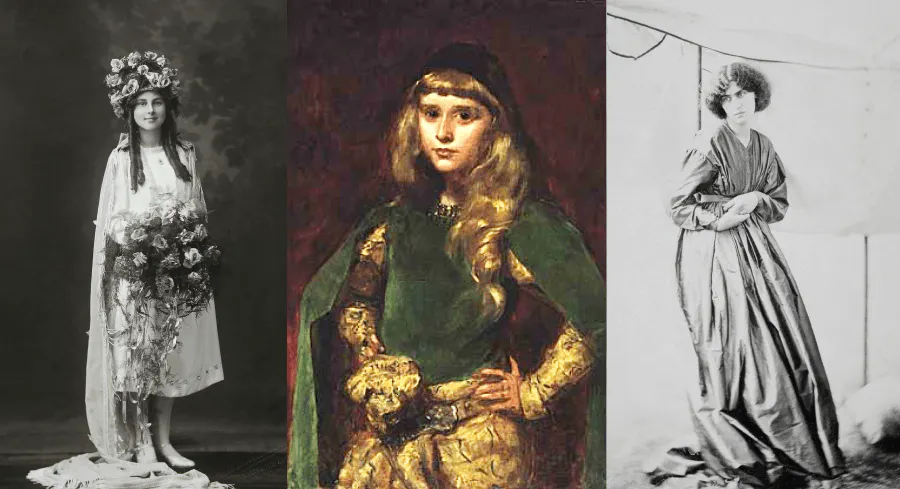
Bohemian art style got its start back in 19th-century Paris, where a bunch of artists, writers, and musicians decided they were done with the stuffy rules of polite society.
Instead of chasing status or wealth, they chose creativity, self-expression, and community. A lot of them lived in the Latin Quarter and Montmartreplaces that were cheap, lively, and full of artistic energy.
These early bohemians didn’t have much money, but they had a clear purpose: to make art that felt real. Their lives were messy, expressive, and totally outside the norm, and their work reflected that.
Artists like Renoir, Toulouse-Lautrec, and a young Picasso captured the chaotic beauty of café life, dance halls, and shared studio spaces. Their styles weren’t polished — they were emotional, layered, and full of movement.
That raw, unfiltered approach laid the foundation for what we now call bohemian artistry a mix of cultural inspiration, personal storytelling, and the kind of visual freedom that still resonates with designers today.
6 key characteristics of a Bohemian art style
Also affectionately known as “Boho style,” the Bohemian art style is recognizable by its “more is more” approach: artists blend vintage with modern, layer textures and patterns, and draw from diverse cultures to create richly expressive designs.
Some key characteristics of the Bohemian art style include:
01. Eclectic composition

Floral Sun and Moon Design.
Use Template
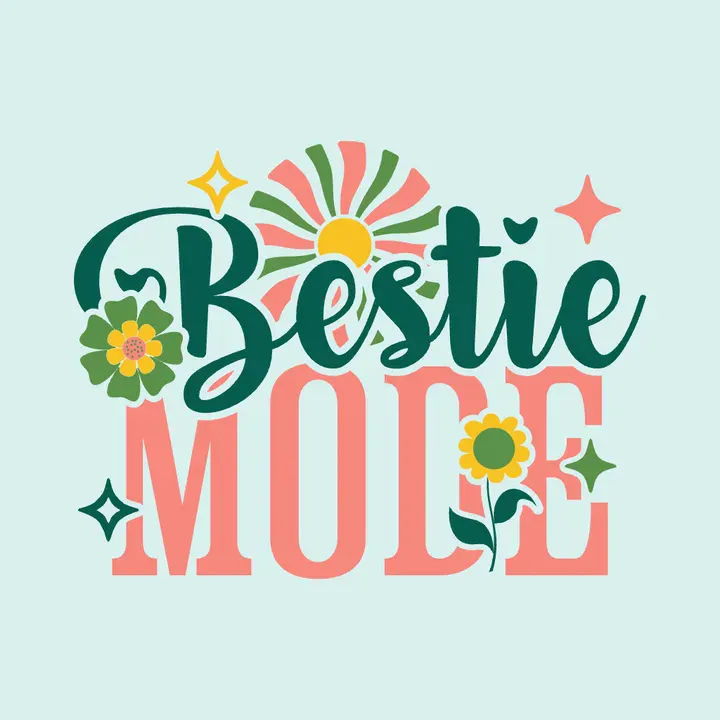
Bestie Mode T-Shirt Design.
Use Template
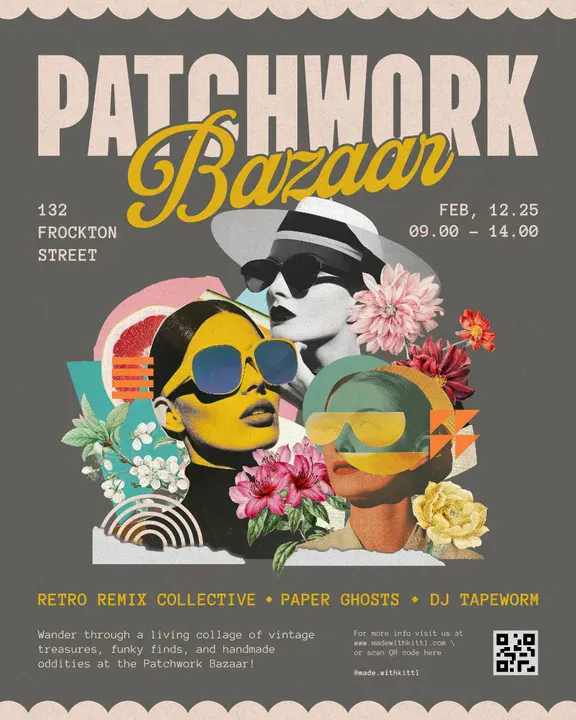
Patchwork Bazar Poster Design.
Use Template
In graphic design, boho-style eclecticism is all about layering things in a way that feels thoughtful but a little wild, in the best way.
It’s like building a collage with illustrations, photos, textures, and type, where each piece adds a bit of story. Kind of like how a boho room feels — full of stuff that’s been collected over time, not just thrown together.
Think moodboards, digital scrapbooks, or social posts with overlapping images, ripped paper edges, and mismatched frames. It’s that imperfect layering that draws people in and makes a design feel lived-in, personal, and full of soul.
02. Global influences
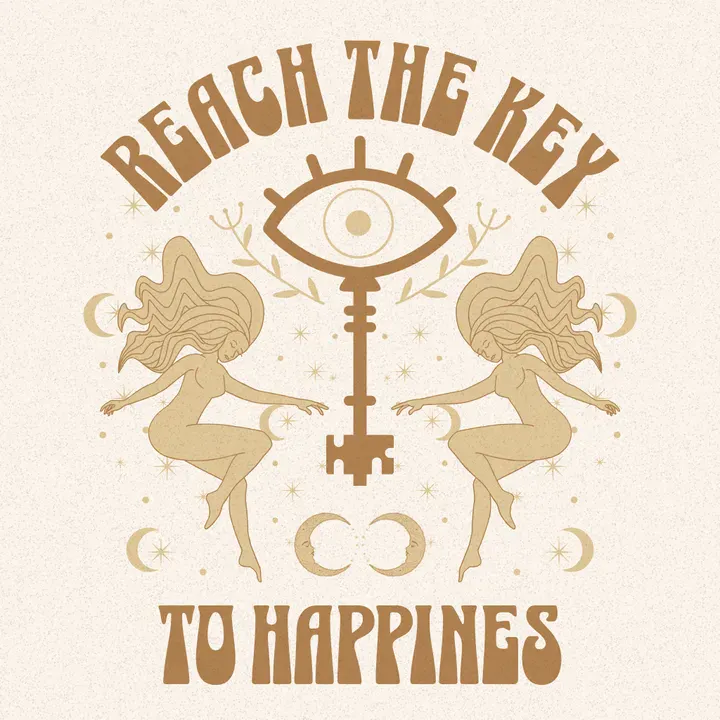
Reach The Key To Happiness.
Use Template
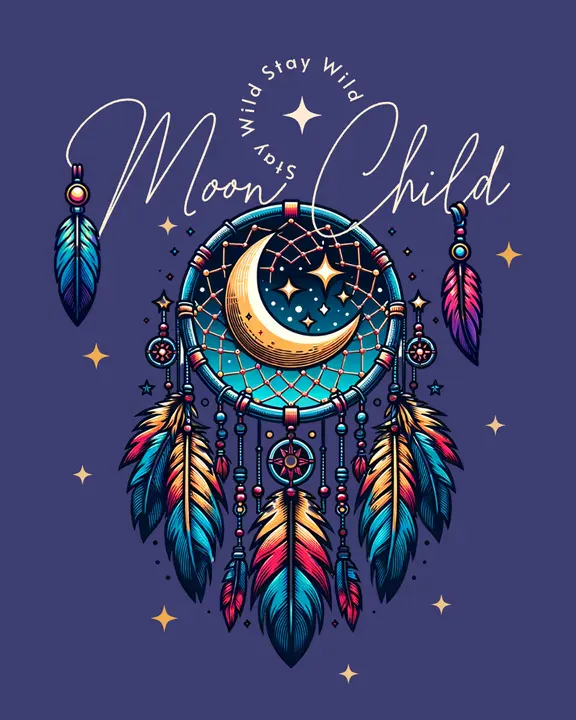
Stay Wild Moon Child Dreamcatcher. Use Template
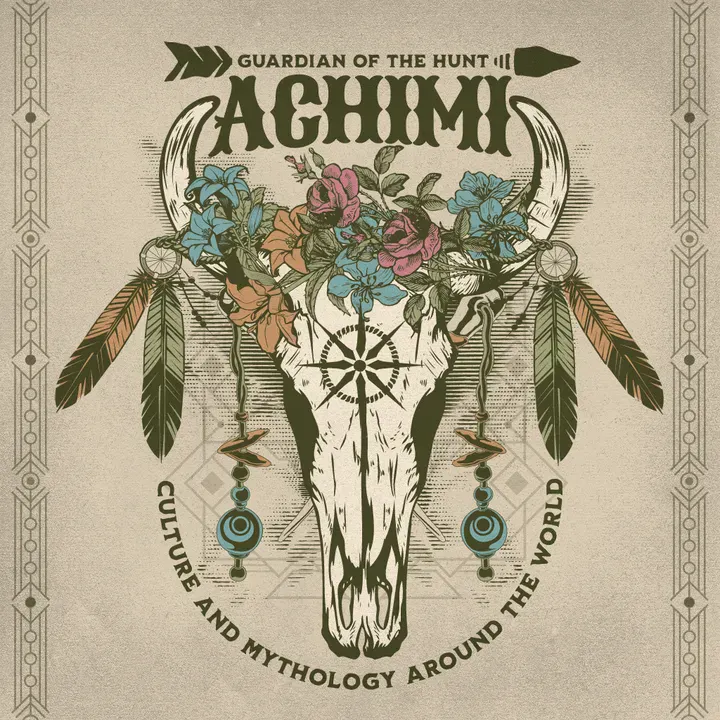
Guardian of the Hunt – Tribal.
Use Template
One of the things that makes boho design so interesting is how it pulls inspiration from all over the world.
You’ll often see Moroccan tile patterns, Indian mandalas, Latin American fabrics, or Eastern European floral motifs worked into everything from borders to backgrounds.
They add this amazing sense of texture, travel, and cultural richness to a design.
But here’s the thing — it’s important to be intentional with how you use them. These patterns aren’t just trendy visuals — they come from real cultures and traditions, and they mean something.
If you’re including them in your work, it’s worth taking a little time to look into where they come from and what they represent.
That might mean giving credit or context in a project description, skipping sacred symbols unless they’re part of your own story (or you’re working with someone who can guide you), and always aiming to celebrate a culture, not just borrow from it because it looks cool.
03. Bold colors & patterns
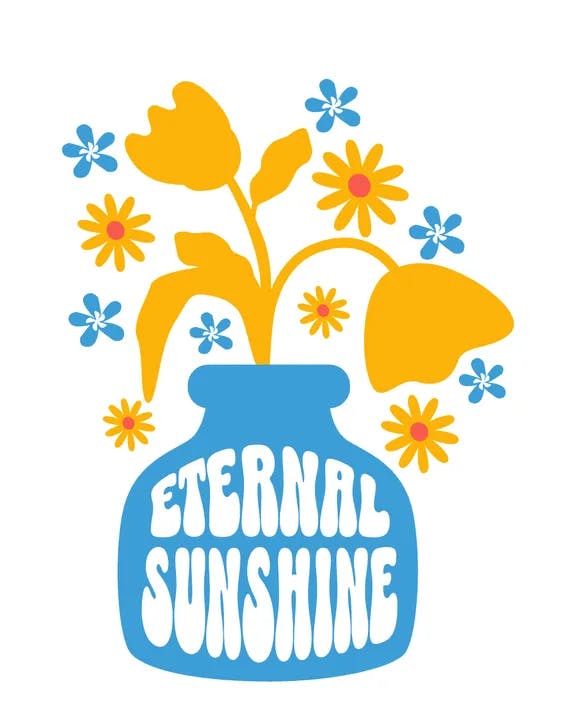
Eternal Sunshine Design. Use Template
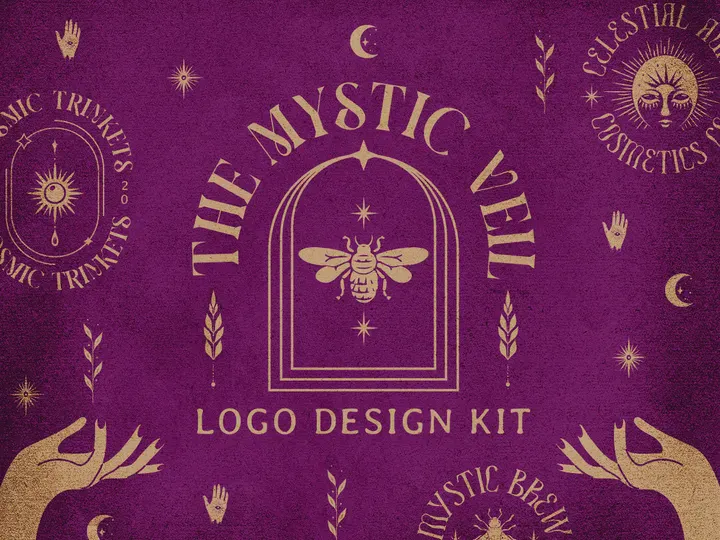
Mystic Veil Logo Design. Use Template
Bohemian art has always had a thing for bold, vibrant colors. Think rich magentas, turquoise blues, saffron yellows, and emerald greens.
They show up in everything from traditional textiles to expressive folk art, telling stories through color that feel full of life and freedom. But these days, especially in graphic design, boho palettes tend to take a softer turn. You’ll see more muted earth tones like terracotta, sage, clay pink, and warm ochres.
Why the shift?
These colors feel calm, cozy, and a bit more grounded — perfect for modern branding, packaging, or social media.
Plus, they’re way easier to layer with textures and patterns without overwhelming the whole layout. It’s still expressive, just with a more natural, thoughtful vibe, one that’s rooted in a solid feel for color theory in design.
04. Handcrafted & textured aesthetics
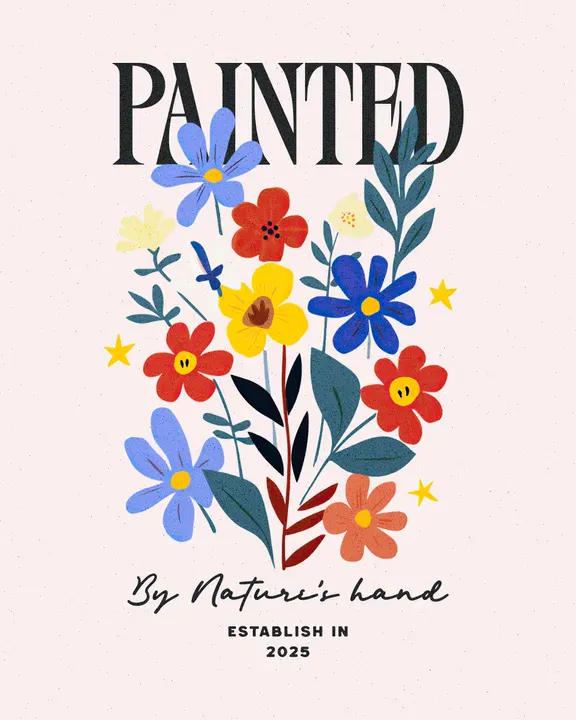
Painted by Nature’s Hand Design. Use Template
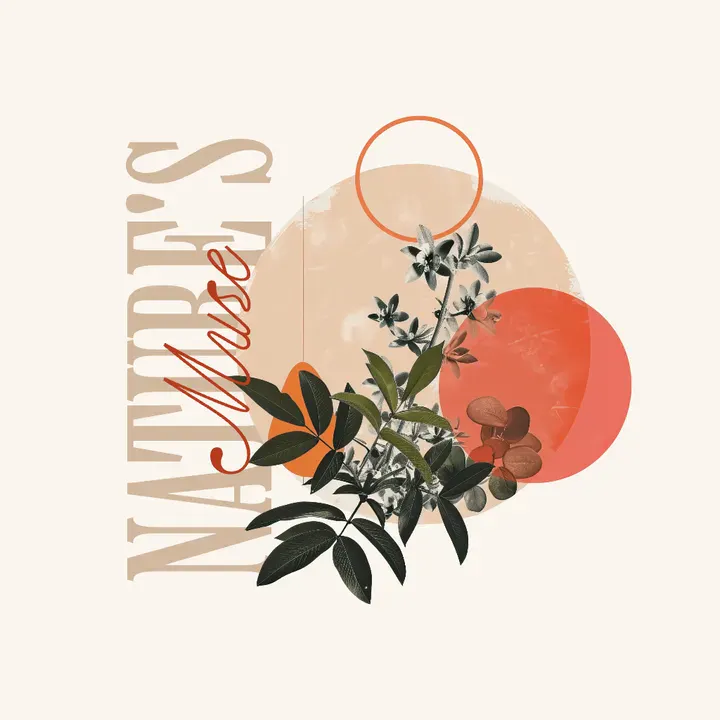
Nature’s Muse Boho Floral T-Shirt. Use Template
Bohemian design loves anything that feels a little raw and handmade. You’ll often see textures that mimic real materials — like linen, rough paper, watercolor smudges, brush strokes, or stamped ink.
These kinds of details give designs a more tactile, human feel, especially in digital work that can sometimes look too polished or flat. Whether it’s a logo with a slightly frayed edge or a brushy font that looks like it was painted by hand, these textures add soul and personality. They lean into imperfection on purpose, which is very boho.
A lot of this overlaps with the vibe of distressed and grunge textures, where the flaws are actually what make the design feel real and expressive.
05. Organic forms & natural motifs
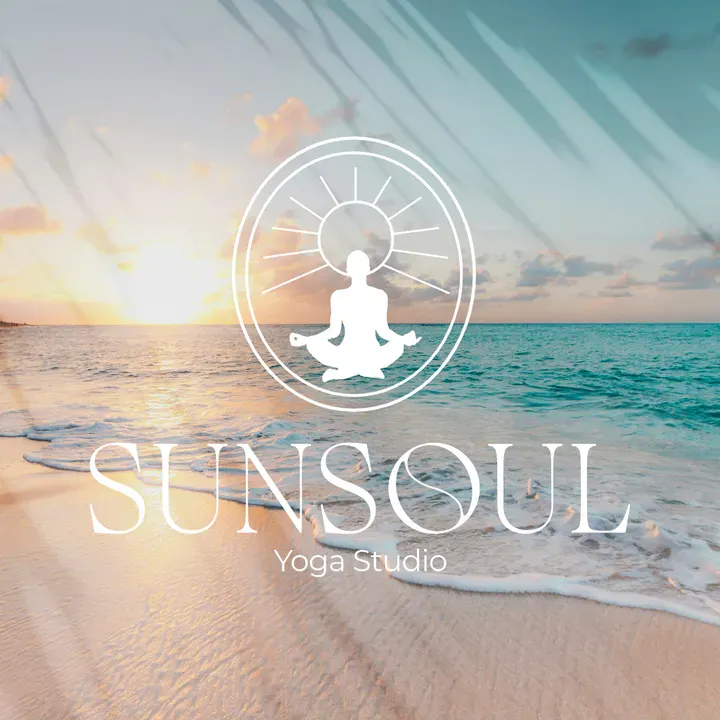
Sunsoul Yoga Studio Logo.
Use Template
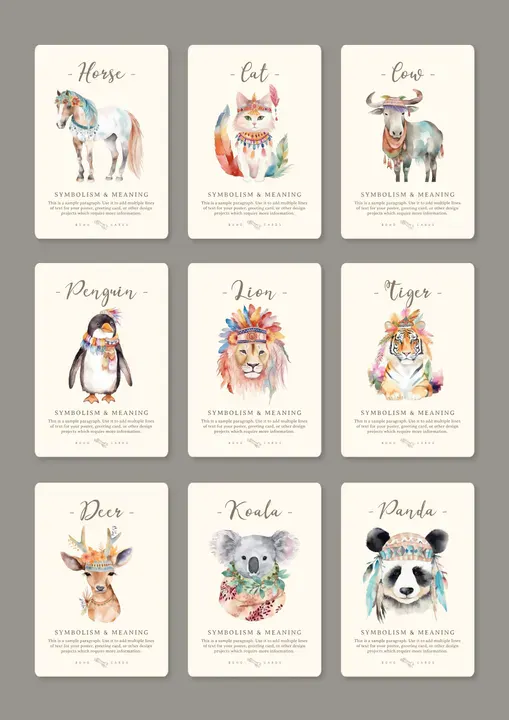
Boho Animals Flash Cards.
Use Template
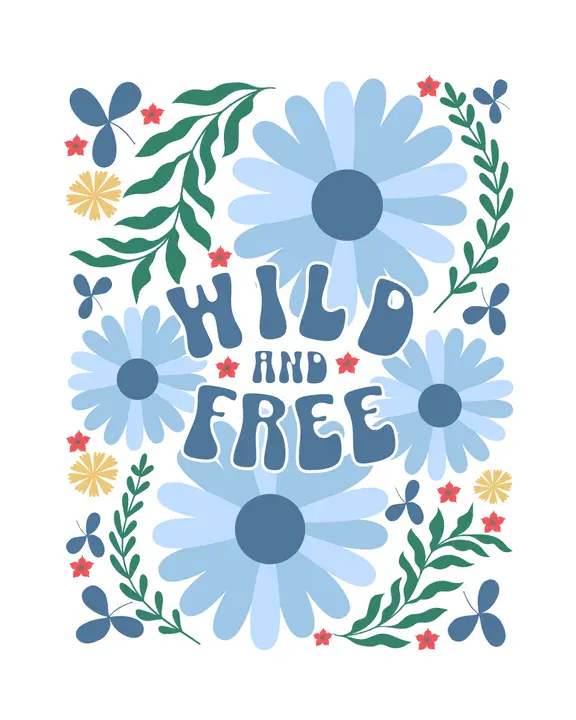
Wild and Free Design.
Use Template
Boho designs don’t stick to strict grids or perfect geometry; they’re all about flow and feeling. You’ll often see soft, asymmetrical shapes like arches, moons, sunbursts, leaves, or even those quirky little blobs that just feel right.
These kinds of elements show up a lot in modern boho prints and digital art, adding a relaxed, organic vibe that’s the opposite of stiff, corporate layouts. They bring a sense of movement and meaning, often hinting at nature, life cycles, or spiritual themes—all things that tie back to the heart of bohemian design.
And if you’re experimenting with those shapes in your own layouts, you can easily fit text into them to keep the whole design feeling cohesive and intentional.
06. Vintage & upcycled visuals
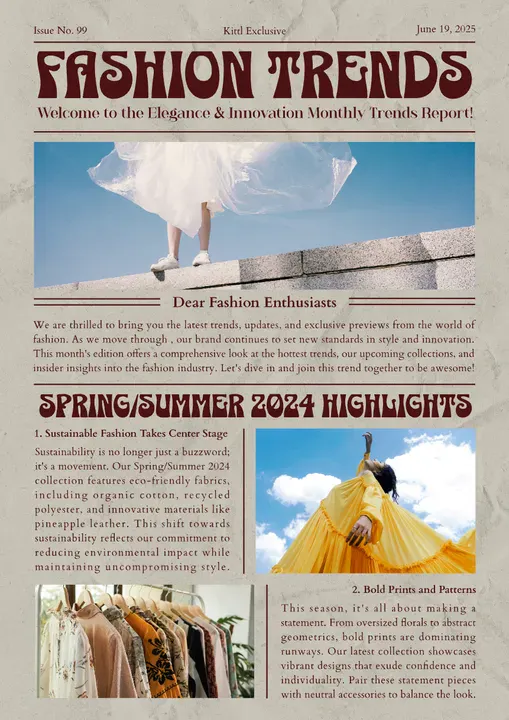
Fashion Newsletter Design.
Use Template
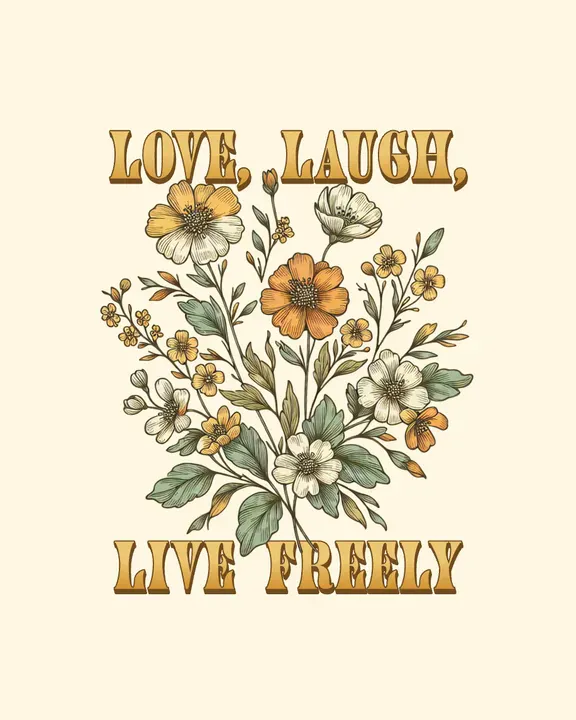
Yellow Boho Floral T-Shirt.
Use Template
Boho design really leans into the charm of the old. In graphic design, that might look like using retro typefaces, soft color fades, film grain overlays, or even scanned bits of vintage paper, like tickets, stamps, postcards, or old book pages.
These details add a nostalgic, lived-in feel that makes your work feel warm and soulful instead of flat or overly polished. It’s also a great way to give new life to old styles, which makes boho design feel both timeless and sustainable.
If that’s the vibe you’re going for, you’ll probably love exploring vintage-inspired design techniques that work beautifully within a boho aesthetic.
What are some Bohemian art style color palettes?
Color is a huge part of what makes the boho aesthetic so special. It sets the mood, tells a story, and instantly gives a design that warm, soulful vibe. While the style has evolved over time, the focus is still the same: colors that feel intentional, earthy, and expressive.
Below are five curated boho color palettes to help spark ideas — each one capturing a different side of the bohemian mood, from cozy neutrals to bold, artful contrasts.
1. “Earth & Spice”
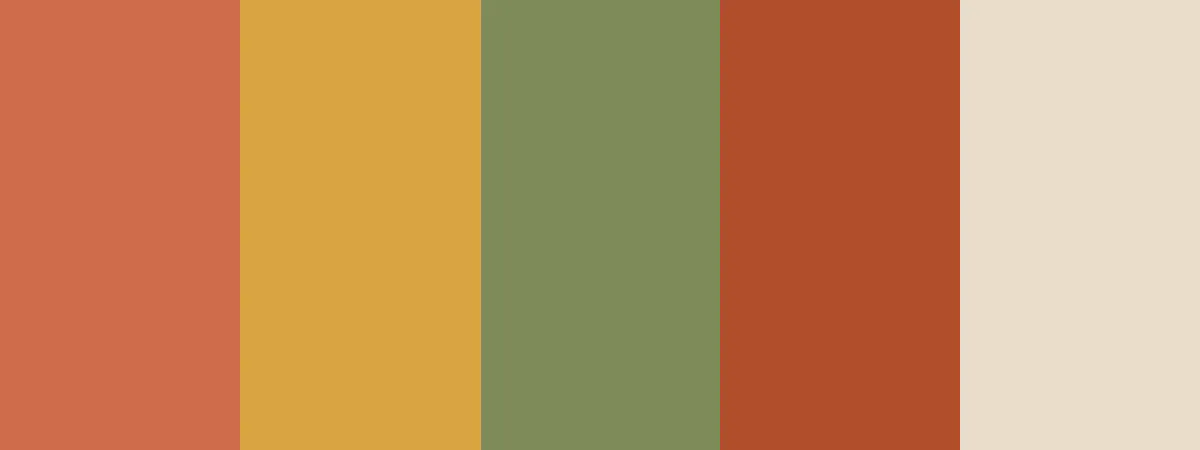
Color palette: Terracotta (#D06C4B), Mustard Yellow (#D9A441), Olive Green (#7D8B59), Burnt Sienna (#B04E2A), Sand Beige (#EADDCB)
This one’s inspired by Moroccan spice markets and sun-soaked desert scenes. It’s great for vintage-style boho posters, warm product packaging, or cozy Instagram templates, anything that needs a little wanderlust and earthy, handmade charm.
2. “Sunset Over Montmartre”
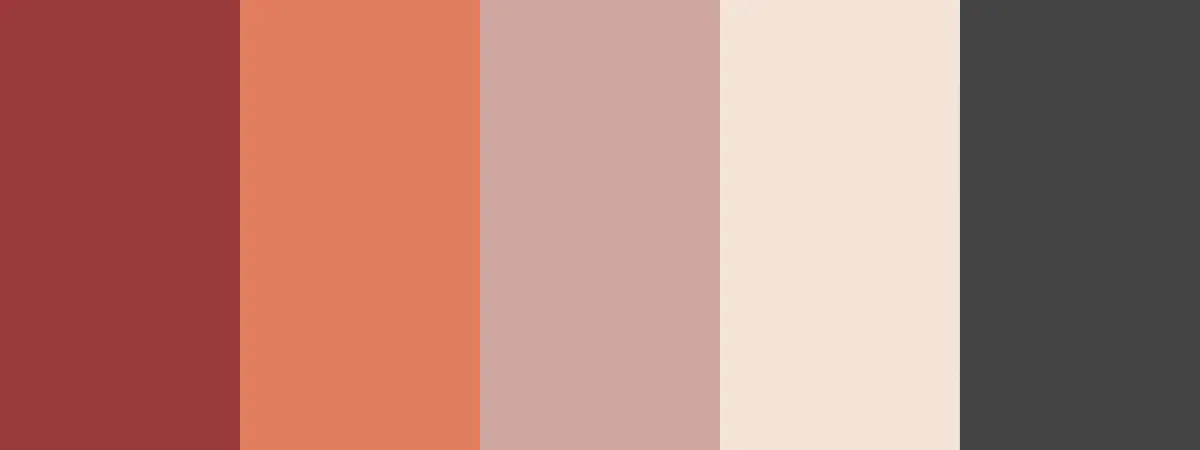
Color palette: Rosewood Red (#9A3B3B), Muted Coral (#E27D60), Dusty Mauve (#CFA7A0), Warm Ivory (#F3E4D7), Charcoal Gray (#444444)
Think hazy evenings in Montmartre — soft, moody, and a little romantic. This palette is perfect for designs with a vintage feel, like editorial spreads, retro branding, or music posters that tell a story.
3. “Modern Desert Boho”
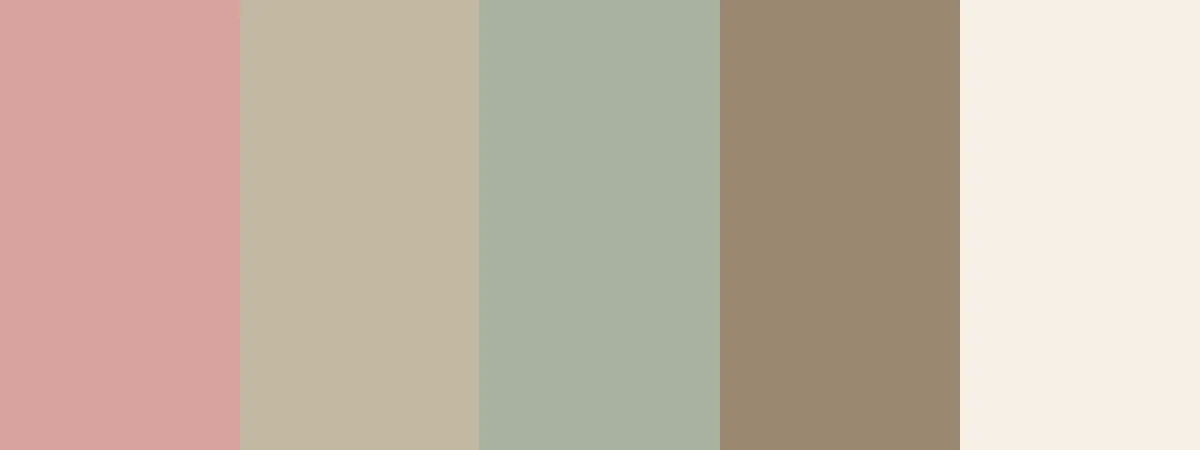
Color palette: Clay Pink (#D8A39D), Desert Taupe (#C2B8A3), Sage Green (#A8B2A1), Driftwood Brown (#9A8870), Pale Peach (#F7EFE6)
If you’re into calm, minimal vibes, this one’s a go-to. It’s the kind of palette you’ll see in modern boho wall art, branding kits, or websites for wellness brands and lifestyle creatives.
4. “Nomadic Bazaar”
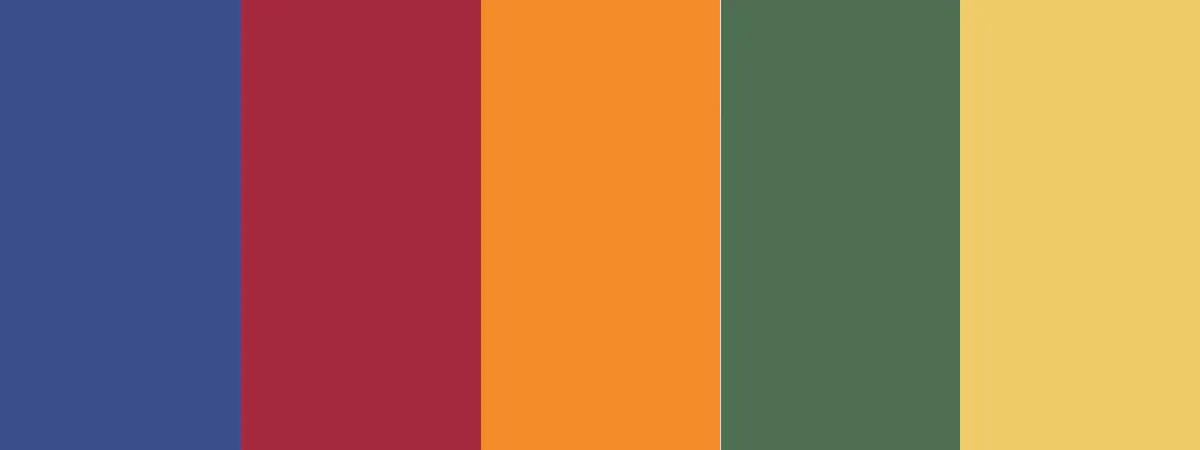
Color palette: Indigo Blue (#3A4E8C), Pomegranate Red (#A6293E), Turmeric Orange (#F28C28), Cypress Green (#4F6F52), Woven Gold (#EFCB68)
Want something different? Pulled from Eastern tapestries and artisan textiles, this palette brings a global, textured feel to your designs. It works beautifully in pattern-heavy illustrations, abstract bohemian art, or collage-style designs that have a rich, cultural feel.
What typography is used in boho style?
Boho typography blends organic charm with vintage flair, helping to reflect the free-spirited nature of the bohemian art style.
Here are the common font types used in boho design projects:
1. Handwritten & script fonts
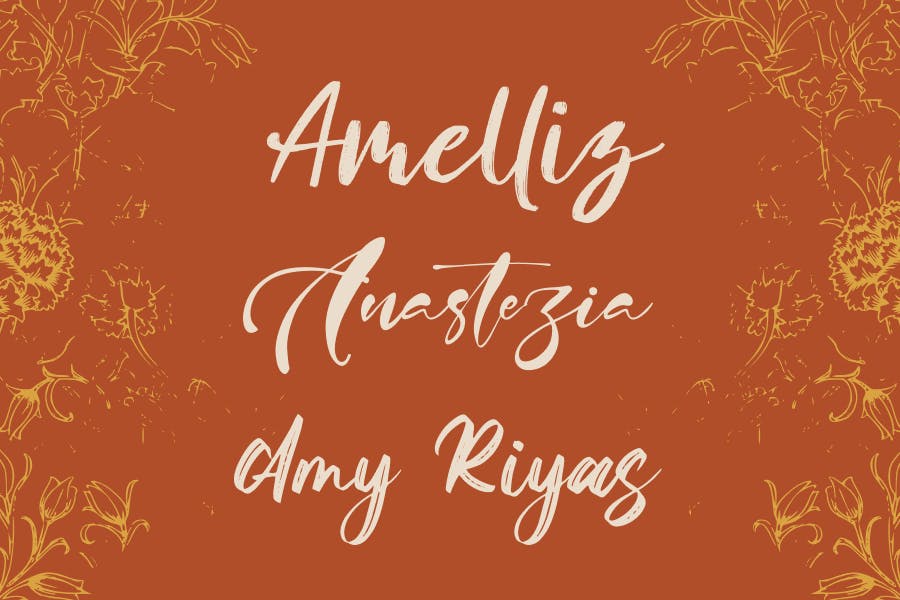
Handwritten and brush script fonts bring that perfectly imperfect, handcrafted feel to boho design. They’re warm, full of personality, and work great for headlines or logos when you want something that feels personal and expressive.
Examples in Kittl: Amelliz, Amy Riyas, Anasteziya
2. Vintage serifs
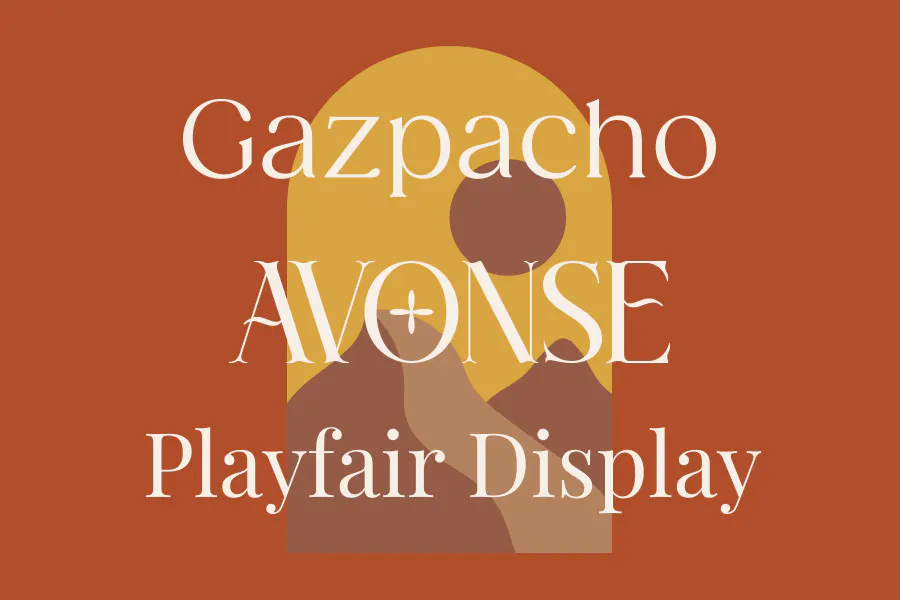
If you’re going for something romantic or vintage-inspired, serif fonts with soft curves and decorative details totally fit the vibe.
They’re especially nice for invites, product labels, or anything with a dreamy, old-world feel, such as event invitations, labels, or boho wedding stationery.
Examples in Kittl: Gazpacho, Avonse, Playfair Display
3. Decorative display fonts
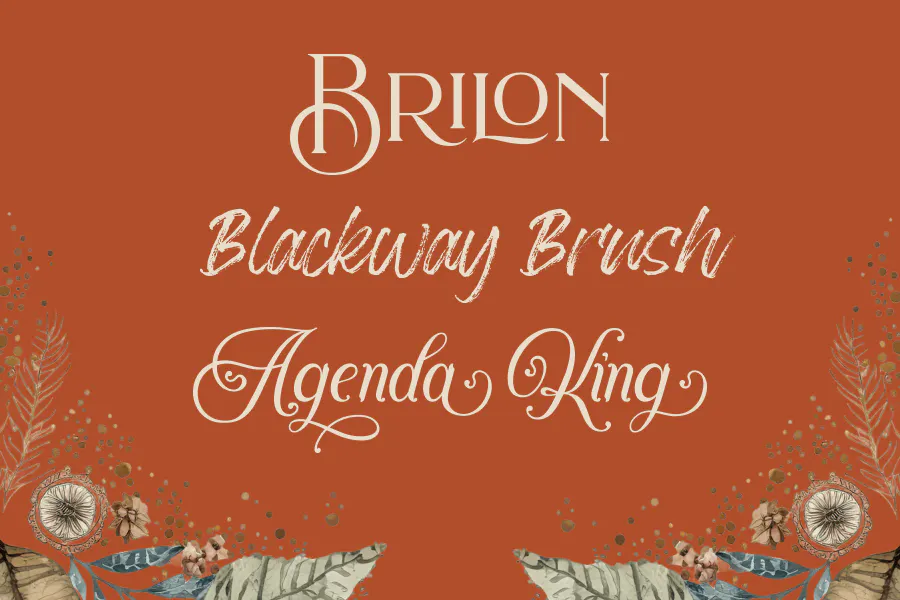
These fonts bring bold, artistic energy to boho designs. Brilon feels vintage and ornamental, Blackway Brush adds hand-painted texture, and Agenda King offers playful, freeform flair. Perfect for expressive headlines or soulful brand marks.
Examples in Kittl: Brilon, Blackway Brush, Agenda King
4. Modern Boho Sans Serifs
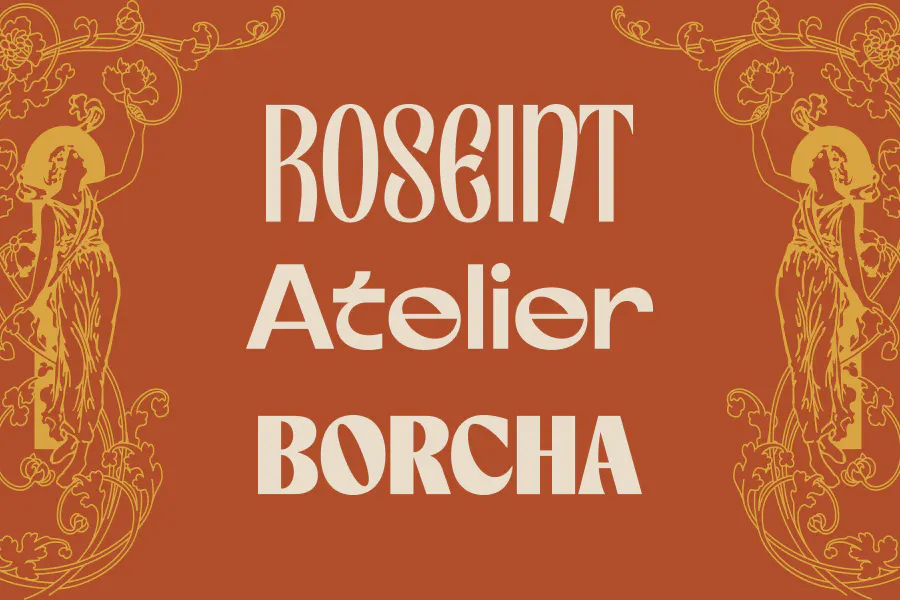
For a more modern boho look, clean sans serifs like Roseint, Atelier, or Borcha give just enough structure without feeling stiff. They pair really well with textured visuals or organic shapes to keep things feeling balanced.
Examples in Kittl: Roseint, Atelier, Borcha
5. Neutral Sans Serifs (for pairing)
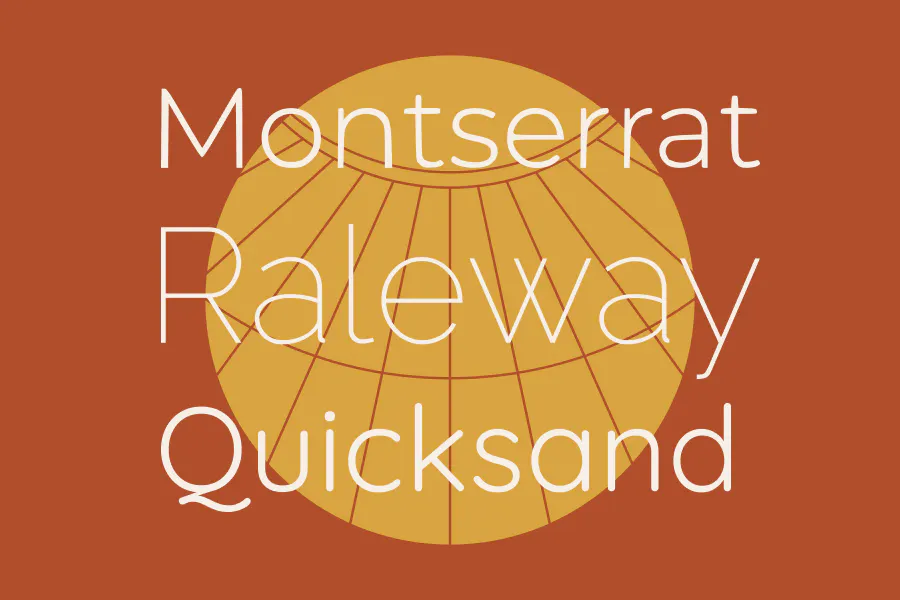
When your layout already has a lot going on, sometimes something simple becomes the perfect match. To keep layouts clean, boho designs often pair expressive fonts with simple, geometric sans serifs. It helps tone things down, adds clarity, and keeps everything feeling easy to read, especially next to more decorative type.
Examples in Kittl: Montserrat, Raleway, Quicksand
Pro tip: When choosing typography for bohemian-inspired designs, aim for character, contrast, and emotion. Mix soft and bold styles to echo the layered, eclectic spirit of bohemian artistry.
Unleash your creativity with your own Bohemian design
From its roots in artistic rebellion to its modern-day presence in branding, illustration, and digital storytelling, Boho style continues to resonate because it gives designers permission to be expressive, layered, and unapologetically personal.
As you explore your own creative voice, take inspiration from the movement’s history, its bold yet grounded color palettes, and the artists who lived their work as much as they created it.
Pay attention to the textures, typography, and cultural influences that define Bohemian design — but also make space to reinterpret them in your own way.
Graphic design today is filled with rules, trends, and templates. Boho reminds us that sometimes the most memorable work comes from breaking the mold and leaning into what feels authentic.
So the next time you’re building out a brand or experimenting with a new layout, consider letting a little bohemian artistry guide your process.
Need a head start? Explore ready-made boho-inspired templates perfect for customizing your next design project with ease, creativity, and character.